
Your Initial Ink: The Essential First Tattoo Guide
4 months ago
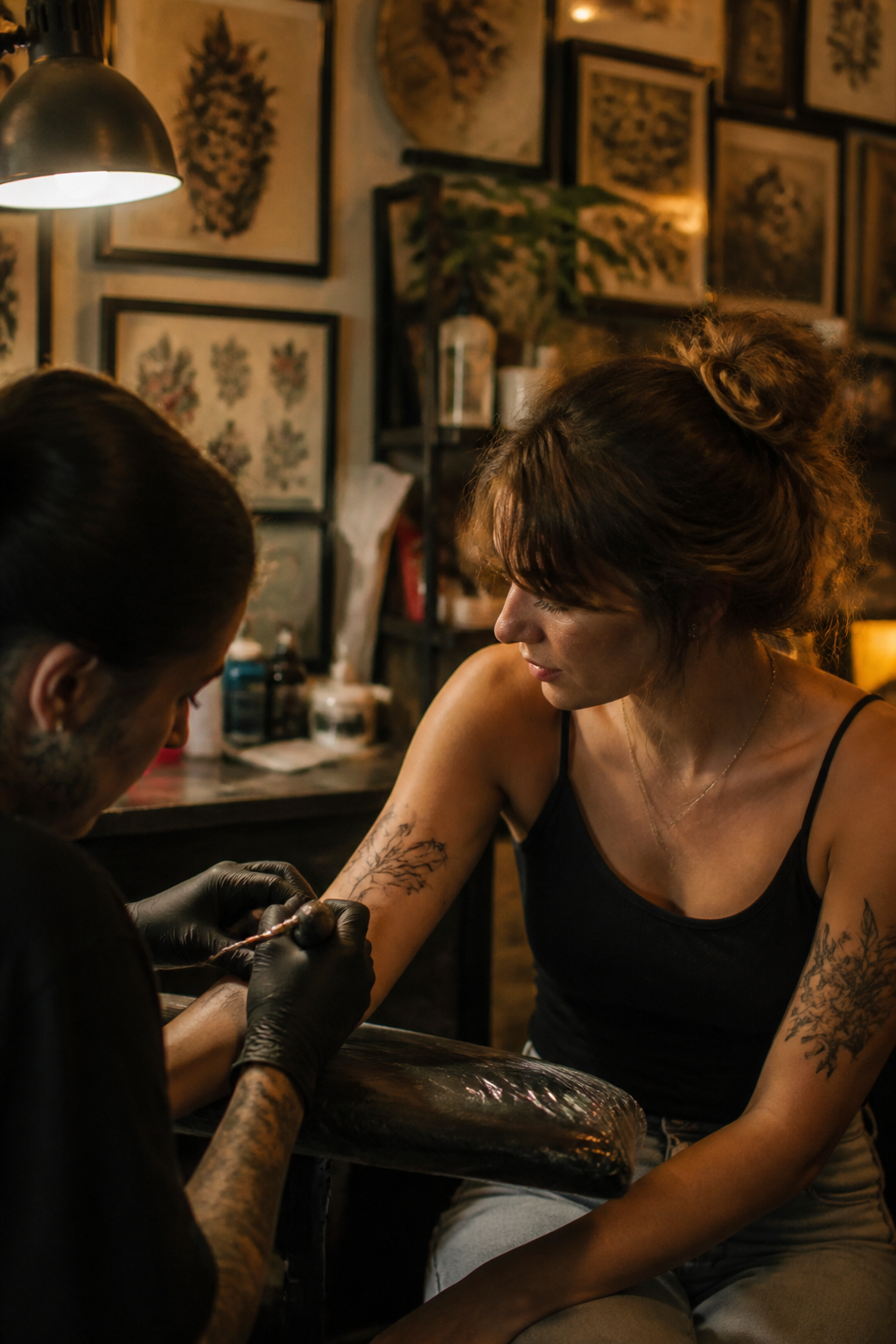
Starting your body art journey begins with a solid vision. When choosing a design, consider how it will age and how it fits the natural curves of your skin. For your first piece, many collectors opt for the forearm, outer thigh, or calf, as these areas generally offer a more manageable sensation than the ribs or feet. Take your time browsing portfolios to ensure your chosen imagery aligns with the artist's specific stylistic strengths.
Finding the right artist is the most critical step in the process. Look beyond social media followers and focus on healed examples of their work. A professional portfolio should demonstrate clean line work, consistent shading, and a high standard of studio hygiene. Once you find a match, book a consultation to discuss your ideas. This meeting allows you to discuss sizing, pricing, and technical feasibility before any deposit is made.
Budgeting for quality is essential, as good work is never cheap. Ask for a rough estimate during your consultation, but remember that many artists charge by the hour or offer a flat day rate for larger pieces. Don't forget to factor in a 20% tip for your artist as a standard gesture of appreciation for their craft. It is always better to wait and save up for a seasoned professional than to rush into a bargain session.
On the day of your appointment, preparation is key for a smooth experience. Eat a high-protein meal and stay hydrated to keep your blood sugar stable throughout the session. Wear comfortable clothing that allows easy access to the area being tattooed and brings a bottle of water. Avoid caffeine and alcohol for 24 hours prior, as these can thin the blood and affect how the ink settles into your skin.
During the session, communication is vital. If you feel lightheaded or need a quick stretch, do not hesitate to tell your artist. They want you to be comfortable, and taking a five-minute break can make a world of difference. Once the work is complete, your artist will provide specific instructions for the healing phase; following these rules precisely ensures your new art stays vibrant for years to come.