
Your First Tattoo Guide: From Initial Spark to Fresh Ink
14 days ago
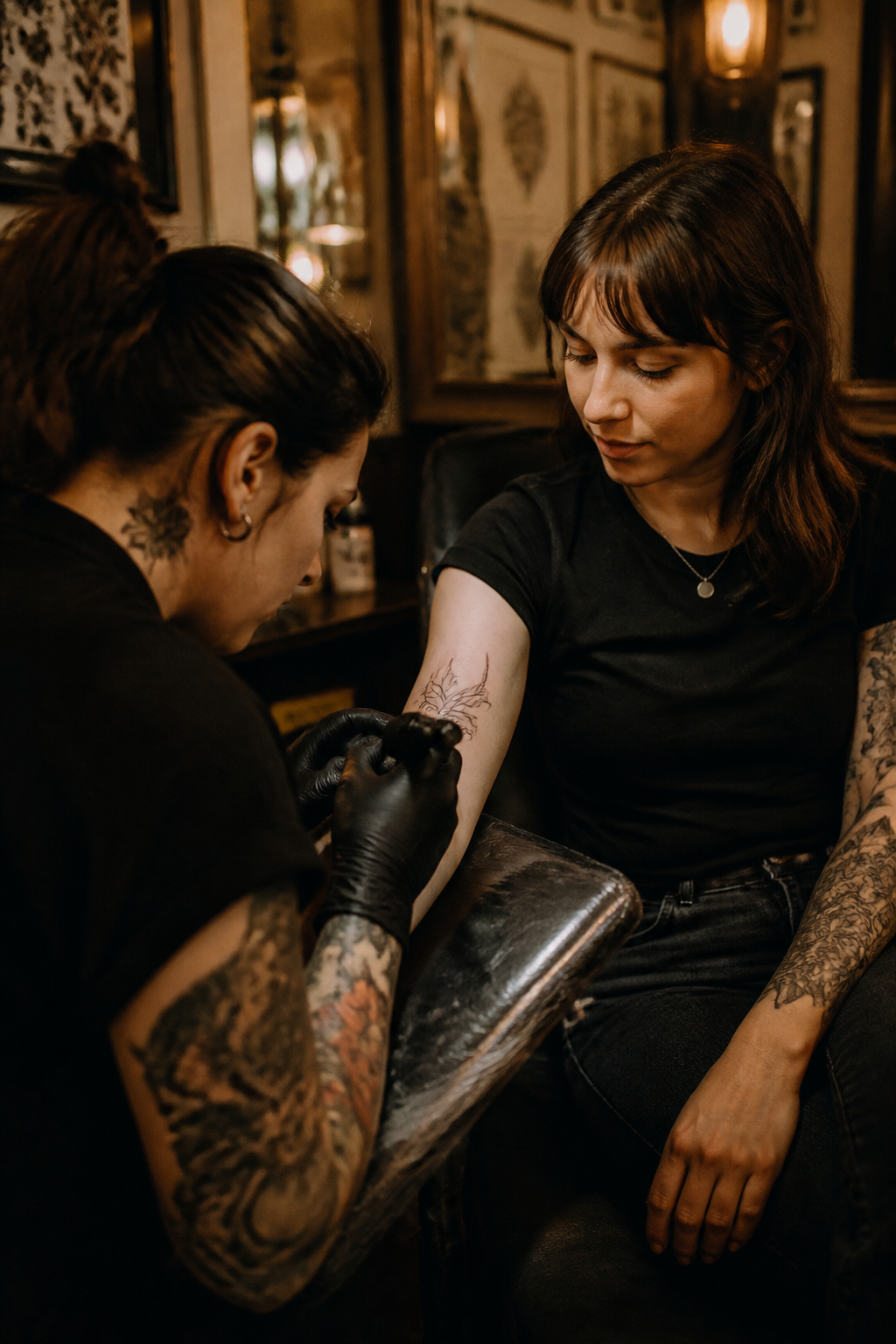
Taking the plunge into body art is an exhilarating milestone, but it requires more than just picking a cool picture off the internet. A successful start begins with a deep dive into design and placement. Think about how the artwork will flow with your natural muscle lines and whether you want your ink to be a visible statement or a private treasure. Researching different styles—from bold traditional to soft realism—will help you articulate exactly what you want.
Finding the right artist is the most critical step in this journey. Don't settle for the nearest shop; instead, browse portfolios on social media to find a professional whose aesthetic aligns with your vision. Once you have a shortlist, book a consultation. This meeting is your chance to discuss sizing, technical feasibility, and the artist's specific approach to the work. It is also the best time to get an honest quote so you can budget appropriately.
Speaking of budgeting, remember that good work isn't cheap. You are paying for the artist's years of experience, high-quality pigments, and a sterile environment. A typical project involves a deposit to secure your date, followed by an hourly or flat rate for the session itself. Factor in a standard tip for your artist, as this is a cornerstone of studio etiquette and shows appreciation for their specialized craft.
On the day of your appointment, preparation is your best friend. Make sure you are well-hydrated and have eaten a hearty meal to keep your blood sugar stable, which helps manage the physical sensation of the needle. Wear comfortable clothing that allows easy access to the area being tattooed. Bringing a sugary snack or a drink can also help if you start to feel a bit lightheaded during longer sessions.
During the process, communication is key. If you need a break or start to feel unwell, tell your artist immediately. They are professionals who want you to have the best experience possible. Once the session is over, listen closely to their specific instructions regarding cleaning and protecting the area. Following their advice ensures your new art heals perfectly and stays vibrant for years to come.