
Your First Tattoo Guide: From Concept to Chair
4 months ago
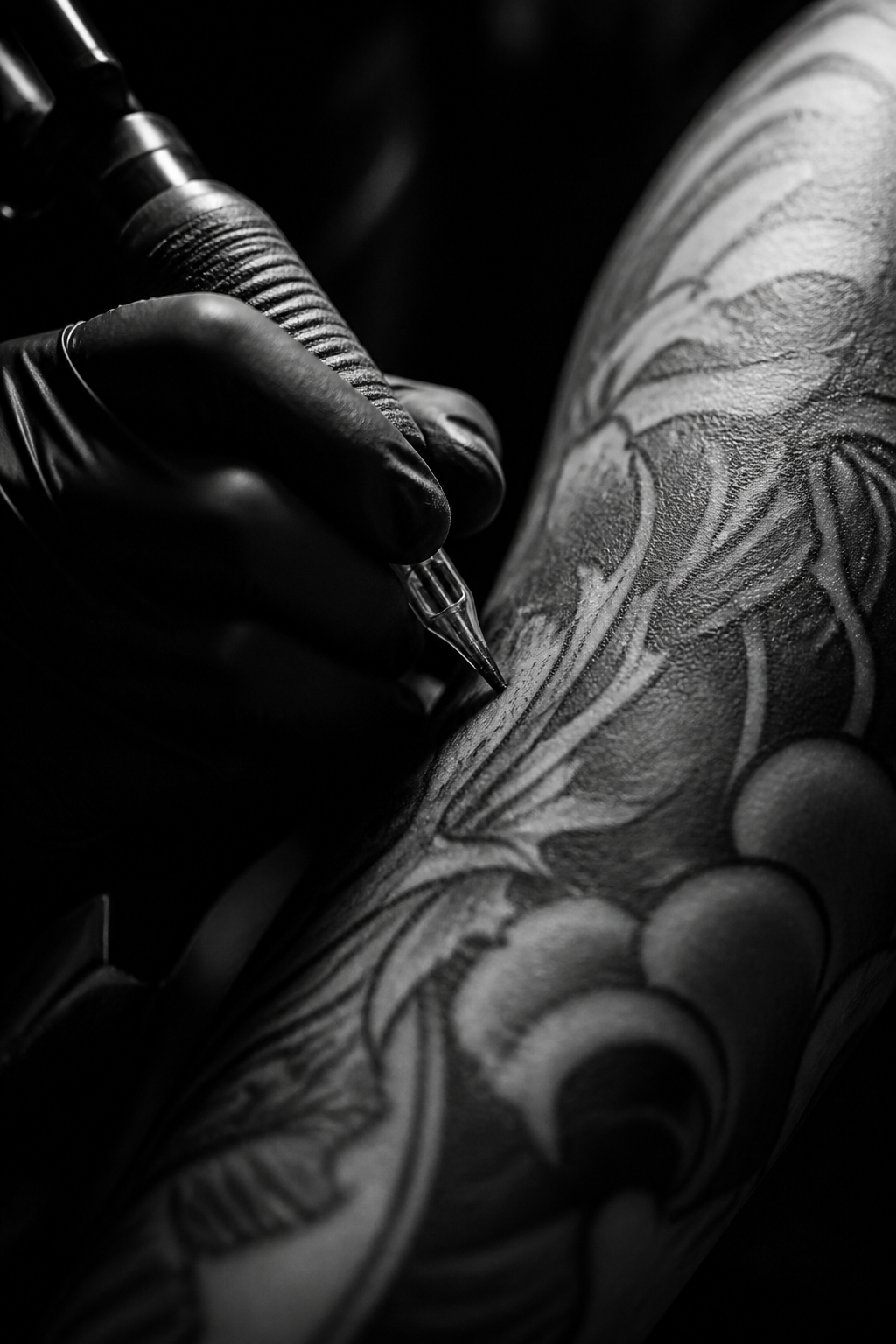
Taking the plunge into the world of body art is a major milestone. The most important step in your journey is narrowing down a design that truly resonates with your personal aesthetic. While trends come and go, choosing a style—like traditional bold lines or illustrative blackwork—will help you find a focus. Once you have a concept, consider placement carefully; high-visibility areas like the forearms are popular, but areas with more cushion often provide a smoother experience for beginners.
Finding the right artist is the cornerstone of any successful first tattoo guide. Don't just settle for the shop closest to your house. Spend time browsing portfolios on social media to ensure their specific style aligns with your vision. A great artist won't just copy a picture; they will work with you to customize the piece so it flows naturally with the anatomy of your body.
Before the needles even touch your skin, you will likely have a consultation. This is your chance to discuss the size, fine-tune the details, and get an honest quote. Budgeting is vital here—remember that good work isn't cheap, and you should always account for a 20% tip for your artist. This meeting is also the perfect time to ask questions about the process and ensure you feel comfortable in the studio environment.
On the day of your appointment, preparation is key to a positive experience. Make sure you are well-hydrated and have eaten a substantial meal beforehand to keep your blood sugar stable. Wear comfortable clothing that allows easy access to the area being tattooed, and don't be afraid to bring a sugary snack or a pair of headphones to help you stay relaxed during the session.
Communication during the tattoo is essential. If you feel lightheaded or need a quick stretch, let your artist know immediately. They are professionals who want you to have the best experience possible. Once the session is over, listen closely to their specific instructions regarding cleaning and protection, as the first 48 hours are the most critical for ensuring your new art heals perfectly.