
Wraparound Flow: The Technical Guide to Forearm Tattoo Placement
14 days ago
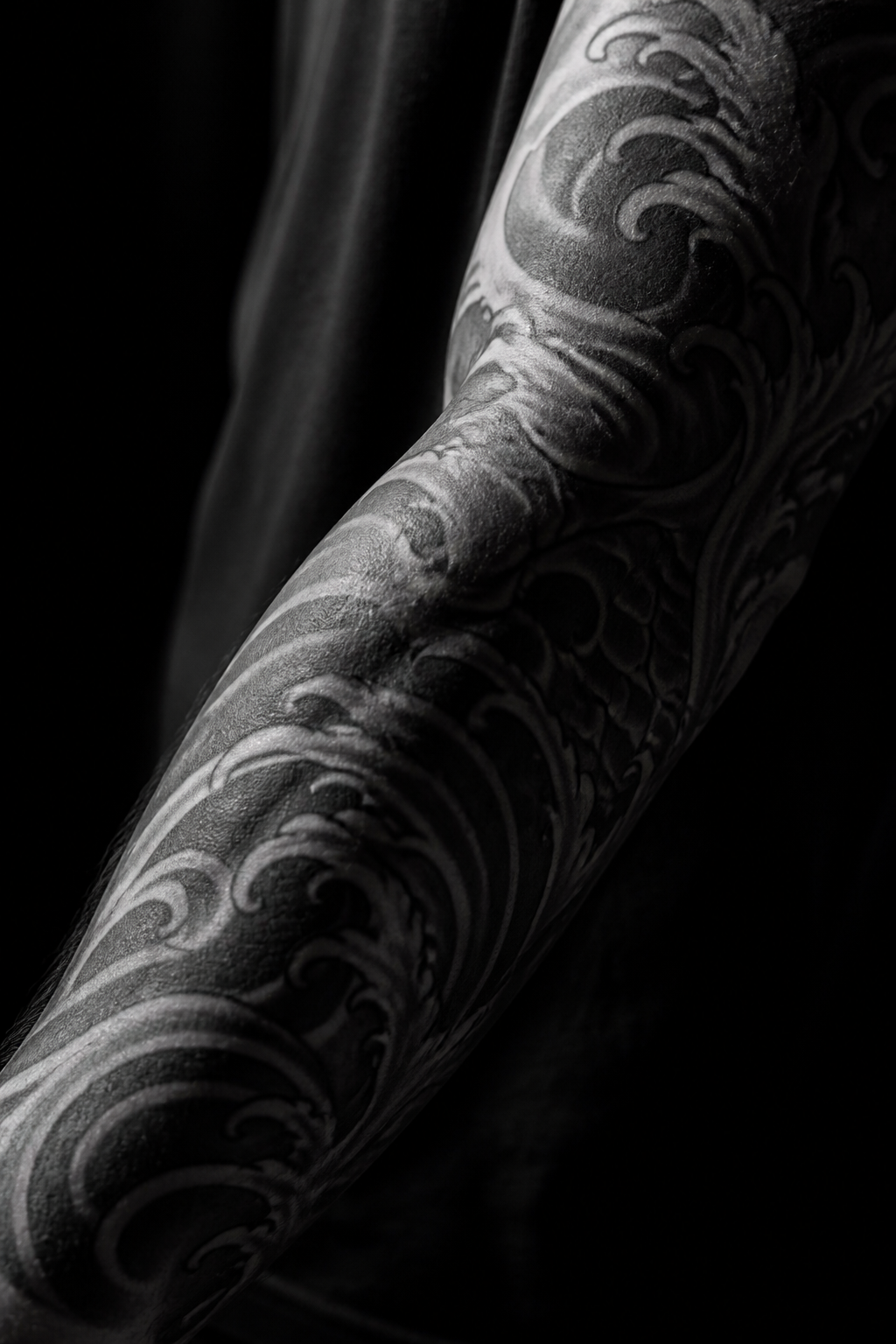
The forearm is widely considered one of the most versatile canvases on the body. Because it is almost always visible, choosing the right forearm tattoo placement requires a balance between bold visibility and anatomical flow. The area offers a relatively flat surface on the outer edge, while the inner arm provides a softer, more intimate space for detailed linework.
When designing for this area, you must account for the radius and ulna bones. As you twist your wrist, the skin on the forearm shifts significantly. A straight vertical line may look perfect while your arm is resting on a table, but it can appear warped when you stand naturally. Professional artists often use 'flow lines' to ensure the design wraps harmoniously with the musculature rather than fighting against it.
In terms of discomfort, the forearm is generally rated low to moderate on the pain scale. The outer forearm is particularly resilient, making it a favorite for first-timers. However, as you move toward the 'ditch'—the soft inner elbow—or the wrist bone, the sensitivity increases sharply. Being prepared for these hot spots is key to sitting through a long session.
Longevity is a major benefit of this location. Unlike the hands or feet, the skin on the forearm does not undergo rapid cell turnover or constant friction. This means your ink will likely retain its crisp edges and saturation for years, provided you are diligent with sun protection. Since this area sees high sun exposure, daily SPF is non-negotiable for maintaining contrast.
Whether you are planning a standalone piece or the start of a full sleeve, the forearm allows for incredible dynamic movement. Larger compositions can wrap from the wrist up toward the elbow, utilizing the natural taper of the limb to create a sense of depth. It is a strategic choice for anyone looking to showcase their collection with every gesture.