Vivid Fluidity: The Watercolor Tattoo Styles Guide
2 hours ago
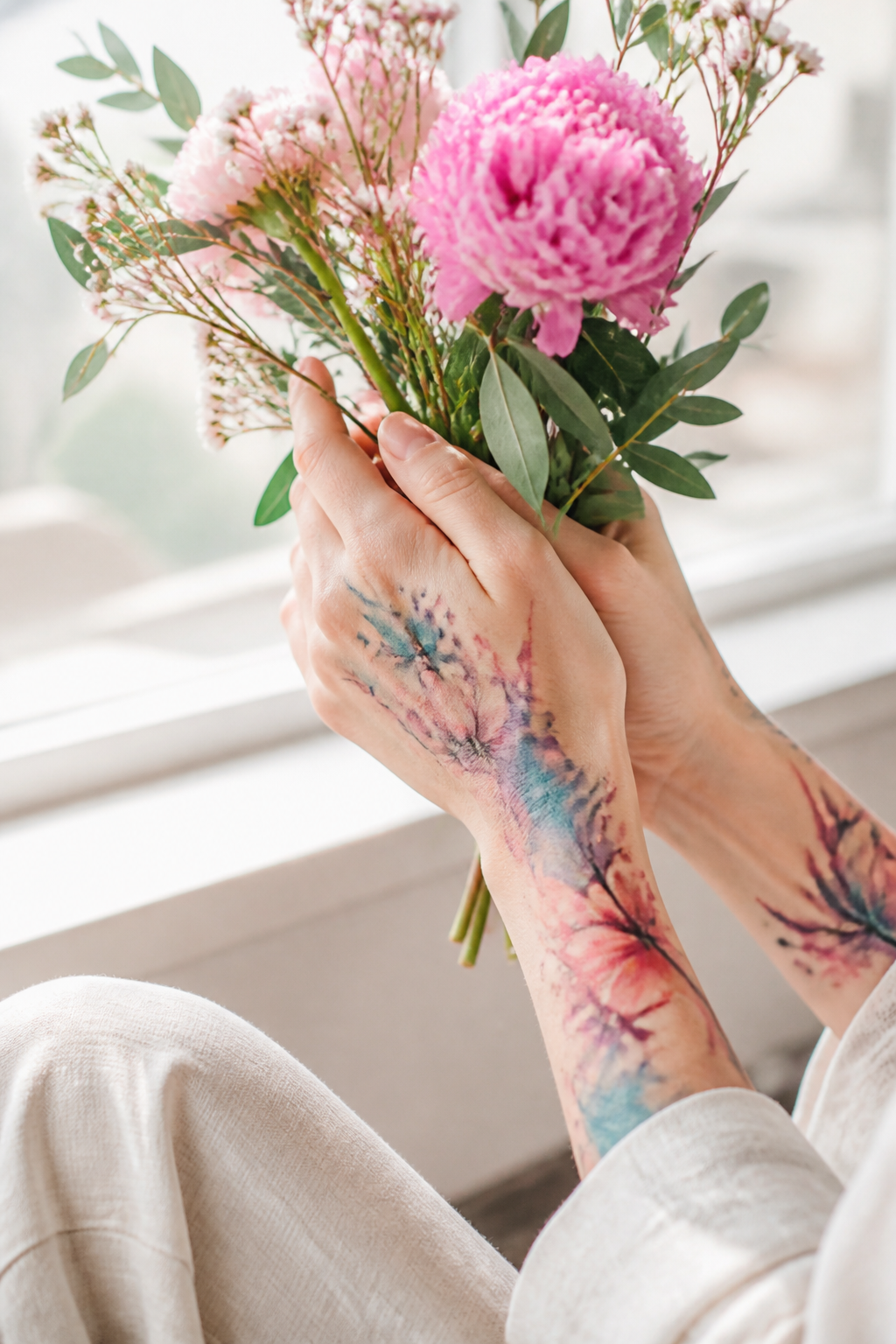
Watercolor tattooing represents a radical departure from the bold outlines of traditional Americana. By mimicking the translucent properties of wet pigments on paper, this style prioritizes soft gradients, splatters, and ethereal washes of color. It is a technique that treats the human skin as a cold-press canvas, favoring the delicacy of a brushstroke over the rigid structure of heavy black linework.
The style gained significant momentum in the early 2010s, pioneered by artists like Amanda Wachob and Ondrash. These visionaries proved that ink could exist as a fluid medium, utilizing 'color layering' to create depth. By omitting the traditional 'containment' line, they allowed hues to bleed into one another, creating a sense of movement and spontaneity that was previously unseen in the industry.
What makes this entry in our tattoo styles guide recognizable is the deliberate use of negative space and 'runs.' Artists often incorporate faux-drips and splattered droplets to enhance the organic feel of the piece. While some critics initially questioned the longevity of lineless work, modern techniques involving high-pigment saturation and 'anchor' shades have ensured these vibrant compositions stand the test of time.
Technical mastery is crucial here, as the artist must understand color theory to prevent the piece from looking like a bruise as it heals. The most successful watercolor tattoos utilize a broad palette, blending warm and cool tones to create high-contrast focal points. It is a style perfectly suited for those who want their ink to reflect fine art rather than graphic illustration.
Today, the style continues to evolve, often merging with illustrative elements or fineline silhouettes to provide a touch of structure. Whether it is a splash of violet behind a botanical sketch or a fully abstract nebula, the watercolor approach offers a level of customization and soft aesthetic appeal that traditional styles simply cannot replicate.