
Vibrant Motion: A Neo-Traditional Tattoo Styles Guide
5 days ago
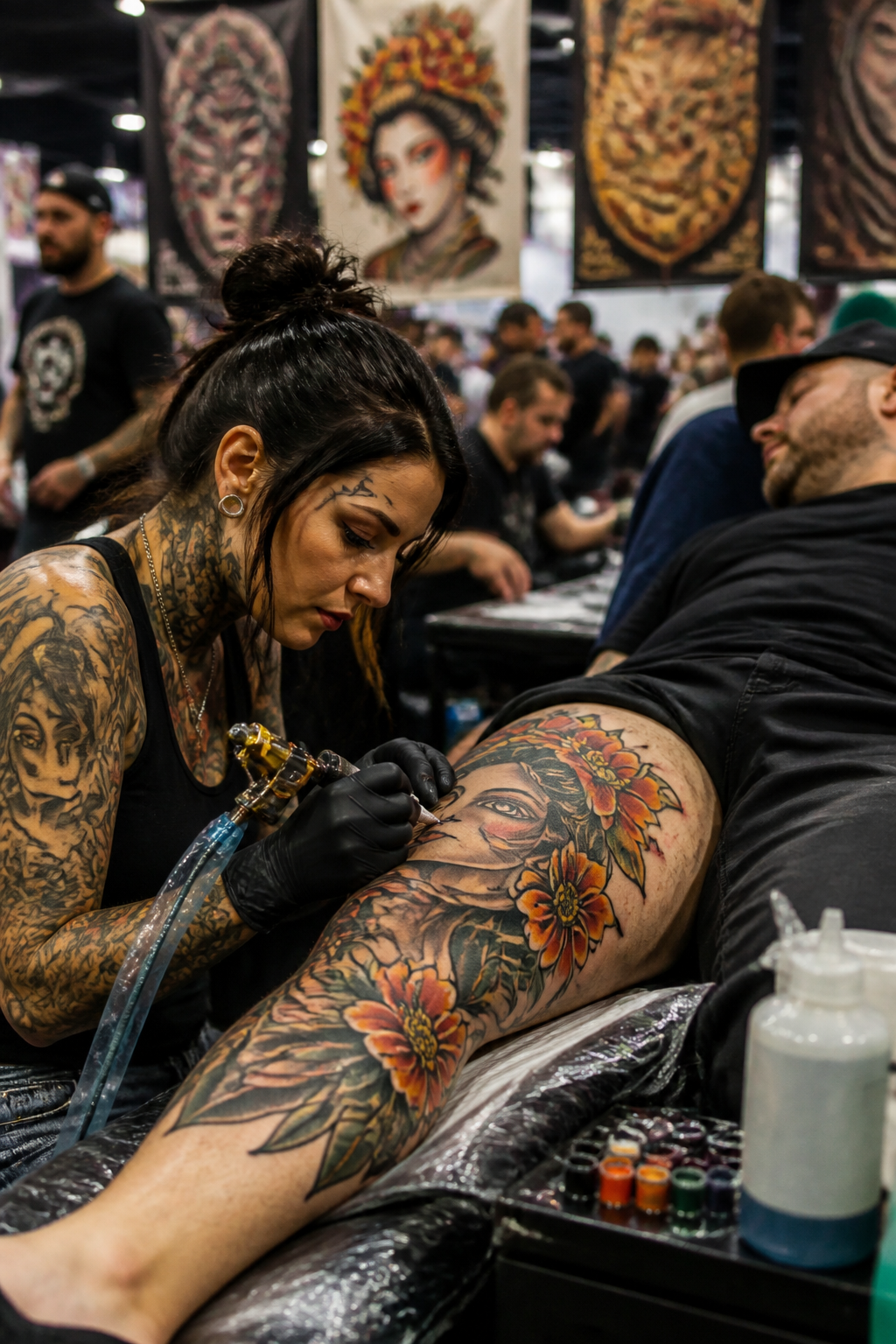
Neo-traditional work stands as a bridge between the rigid rules of the past and the limitless possibilities of modern artistry. While its predecessor, American Traditional, relies on a primary color palette and heavy black outlines, neo-traditional pushes the envelope by introducing a wider spectrum of hues. You will see deep teals, magenta, and mustard yellows layered with smooth gradients that create a sense of depth and luxury on the skin.
This specific entry in our tattoo styles guide focuses on the decorative and illustrative roots of the movement. Heavily influenced by Art Nouveau and Art Deco, the style often features ornate frames, lush floral arrangements, and highly detailed animal portraits. The linework remains varied, utilizing weighted lines to make the subject pop against the background, ensuring the piece ages gracefully while maintaining its intricate detail.
Key artists like Justin Harris and Kelly Doty helped pioneer this look by injecting personality and surrealism into their pieces. Unlike the simplified flash of the 1940s, neo-traditional artists use sophisticated shading techniques to give their subjects a three-dimensional quality. This makes it a top choice for collectors who want the durability of a classic tattoo but with the artistic finesse of a contemporary illustration.
Recognizing the style is easy once you look for the tell-tale 'more is more' philosophy. While a traditional eagle might be three colors and basic shapes, a neo-traditional version will feature shimmering feathers, glowing eyes, and perhaps a backdrop of berries or peonies. It is a celebration of technical skill and color theory, perfect for large-scale pieces like thigh or back compositions.
Ultimately, choosing this direction means embracing a look that is both timeless and trendy. By following a comprehensive tattoo styles guide, you can see how this aesthetic adapts to any subject matter, from cinematic characters to botanical studies. It remains one of the most popular choices in modern studios because it offers a high-contrast, high-impact result that looks like a painting come to life.