
Vibrant Fusion: An Illustrative Tattoo Styles Guide
10 days ago
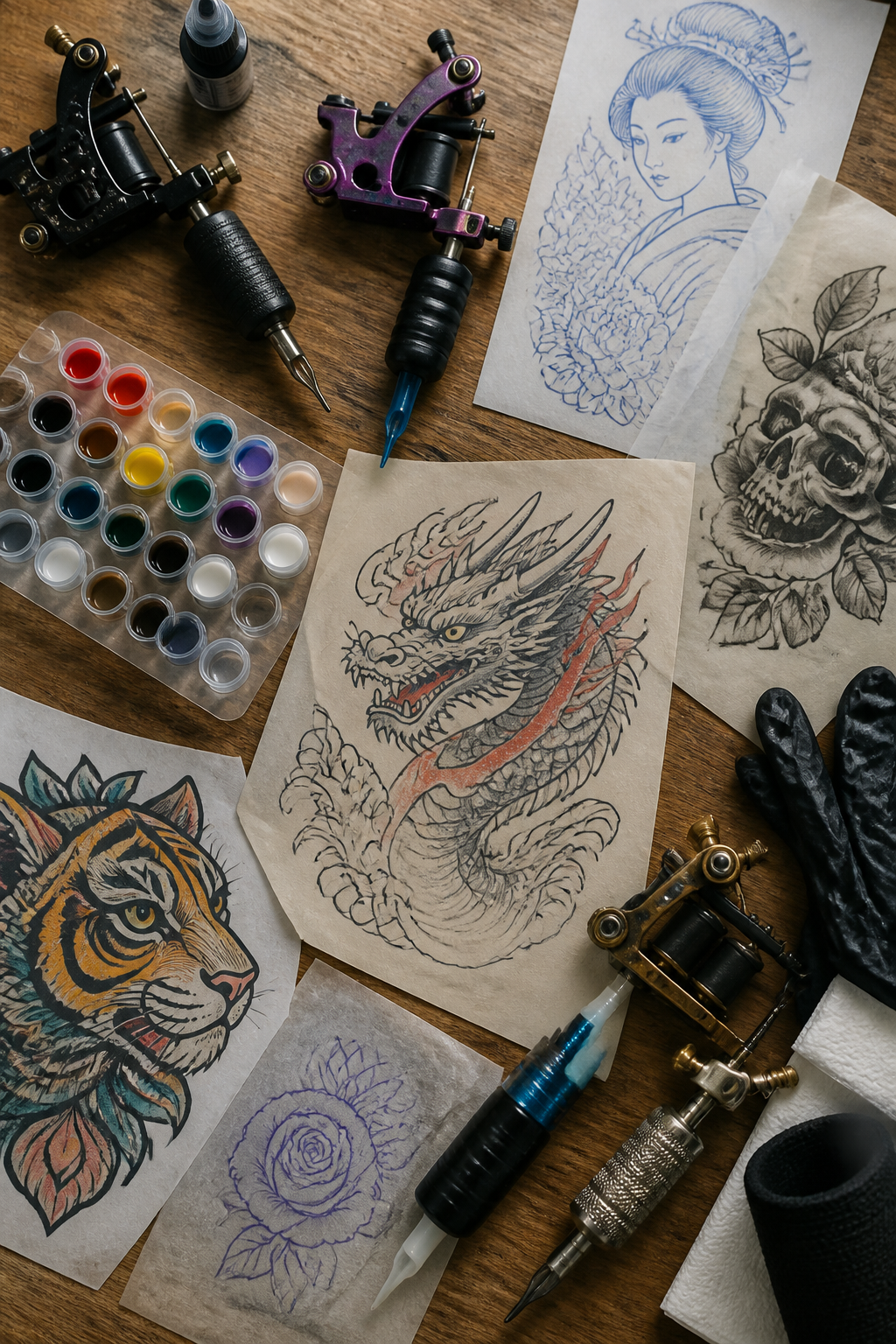
Illustrative tattooing stands as a bridge between the worlds of traditional ink and high-concept gallery art. This specific entry in our tattoo styles guide explores how artists use a 'sketchbook' aesthetic to create pieces that look as if they were drawn directly onto the skin with charcoal, colored pencils, or fine-liner pens. Unlike traditional styles that rely on rigid rules, illustrative work prioritizes the artist’s unique hand and personal drawing flair.
What makes this style instantly recognizable is its departure from the heavy, uniform outlines of American Traditional. Instead, illustrative artists utilize varied line weights—alternating between thick contours and whisper-thin details—to create depth and movement. It often incorporates cross-hatching, stippling, and fluid shading techniques that mimic the textures found in copperplate engravings or modern graphic novels.
The origins of the style are deeply rooted in the late 19th-century Art Nouveau movement and the golden age of book illustration. Influences from artists like Alphonse Mucha are evident in the organic flow and ornamental framing often seen in these pieces. Today, the style has evolved to include everything from hyper-detailed botanical studies to whimsical, storybook-inspired characters that seem to pop off the skin.
Key artists leading the illustrative movement often focus on narrative. Because the style is so versatile, it allows for a high degree of customization, making it a favorite for clients who want to tell a specific story without being restricted by the 'bold will hold' mantra of older schools. It is the perfect choice for those who view their body as a curated collection of fine art.
When considering an illustrative piece, placement is vital. Because these designs often feature intricate linework and delicate textures, they require a flat 'canvas' like the forearm, thigh, or back to ensure the detail remains crisp over time. This tattoo styles guide emphasizes that while illustrative ink is expressive, it requires a steady hand and a deep understanding of how fine lines age on different parts of the body.