
Vibrant and Voluminous: The Neo-Traditional Tattoo Styles Guide
2 months ago
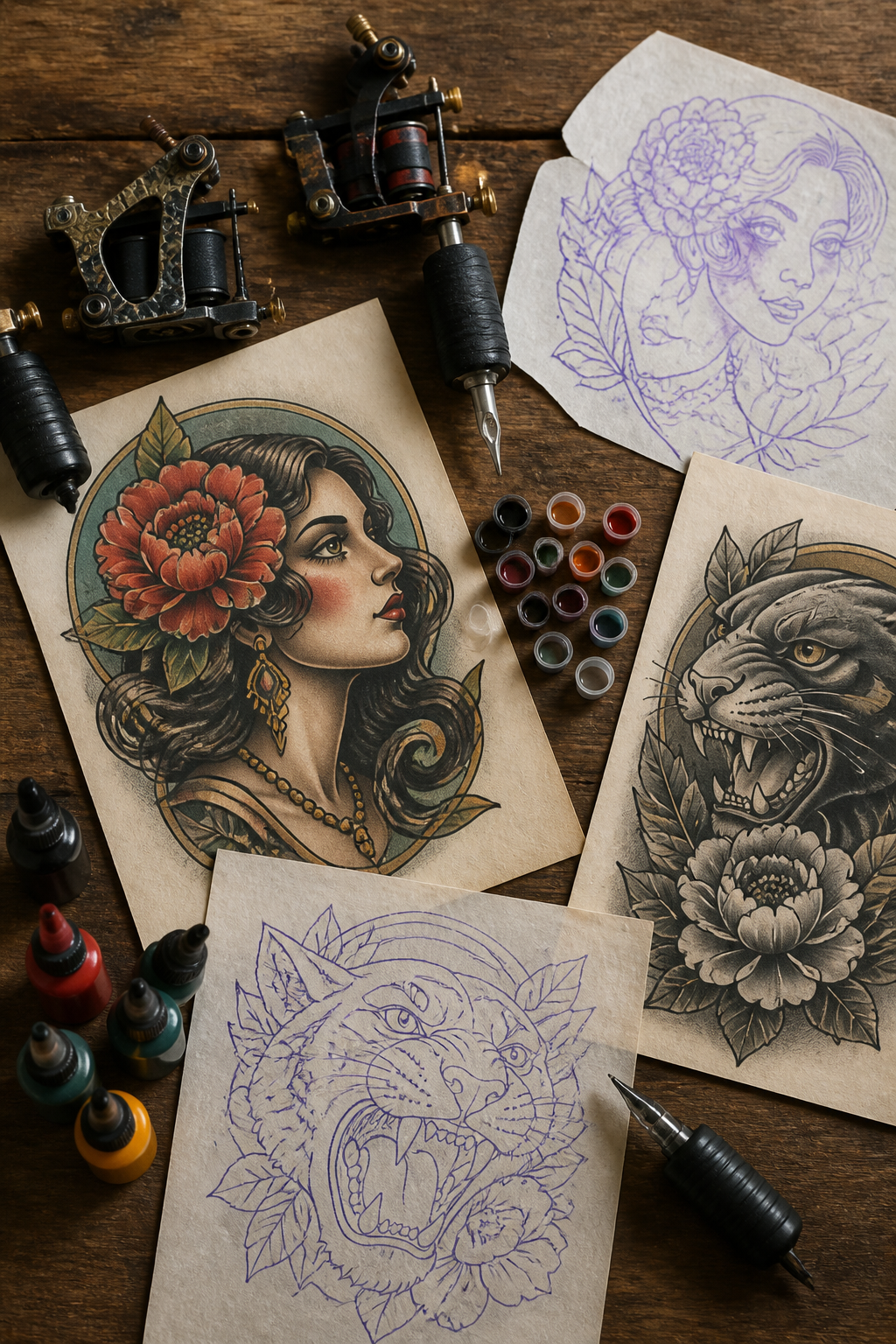
While American Traditional laid the foundation for western tattooing, the Neo-Traditional movement took those rigid rules and shattered them with artistic flair. This style is characterized by a departure from the limited 'primary color' palette of the past, opting instead for a lush spectrum of jewel tones, gradients, and earthy pigments. It maintains the 'bold will hold' philosophy but introduces varied line weights to create depth and dimension.
Key to this tattoo styles guide is recognizing the illustrative influence that defines the genre. Unlike its predecessor, Neo-Traditional work often incorporates Art Nouveau and Art Deco aesthetics, featuring graceful curves and intricate decorative elements. You will frequently see ornate filigree, lush botanicals, and highly detailed animal portraits that feel more like a storybook illustration than a simple sailor’s souvenir.
Common motifs in this style include Victorian-era lanterns, lush peonies, and regal animal busts dressed in human finery. What makes it immediately recognizable is the marriage of thick outer borders with delicate inner detailing. This technique ensures the tattoo remains legible from a distance while rewarding closer inspection with subtle shading and texture that traditional styles simply don’t offer.
Influential artists like Justin Harris and Kelly Doty have helped propel the style into the mainstream, proving that classic themes can be reimagined with modern technical precision. They utilize high-contrast lighting—often referred to as 'chiaroscuro'—to make the imagery pop off the skin. This creates a luxurious, velvet-like finish that has made Neo-Traditional one of the most requested aesthetics in modern studios.
Choosing a Neo-Traditional piece means committing to a bold, saturated look that celebrates the evolution of the craft. It is the perfect choice for collectors who respect the history of the medium but want more creative freedom than the standard flash sheet allows. By blending the durability of old-school techniques with contemporary artistry, this style offers a timeless yet fresh approach to body art.