
Vibe Check: How Studio culture Defines Your Tattoo Experience
4 days ago
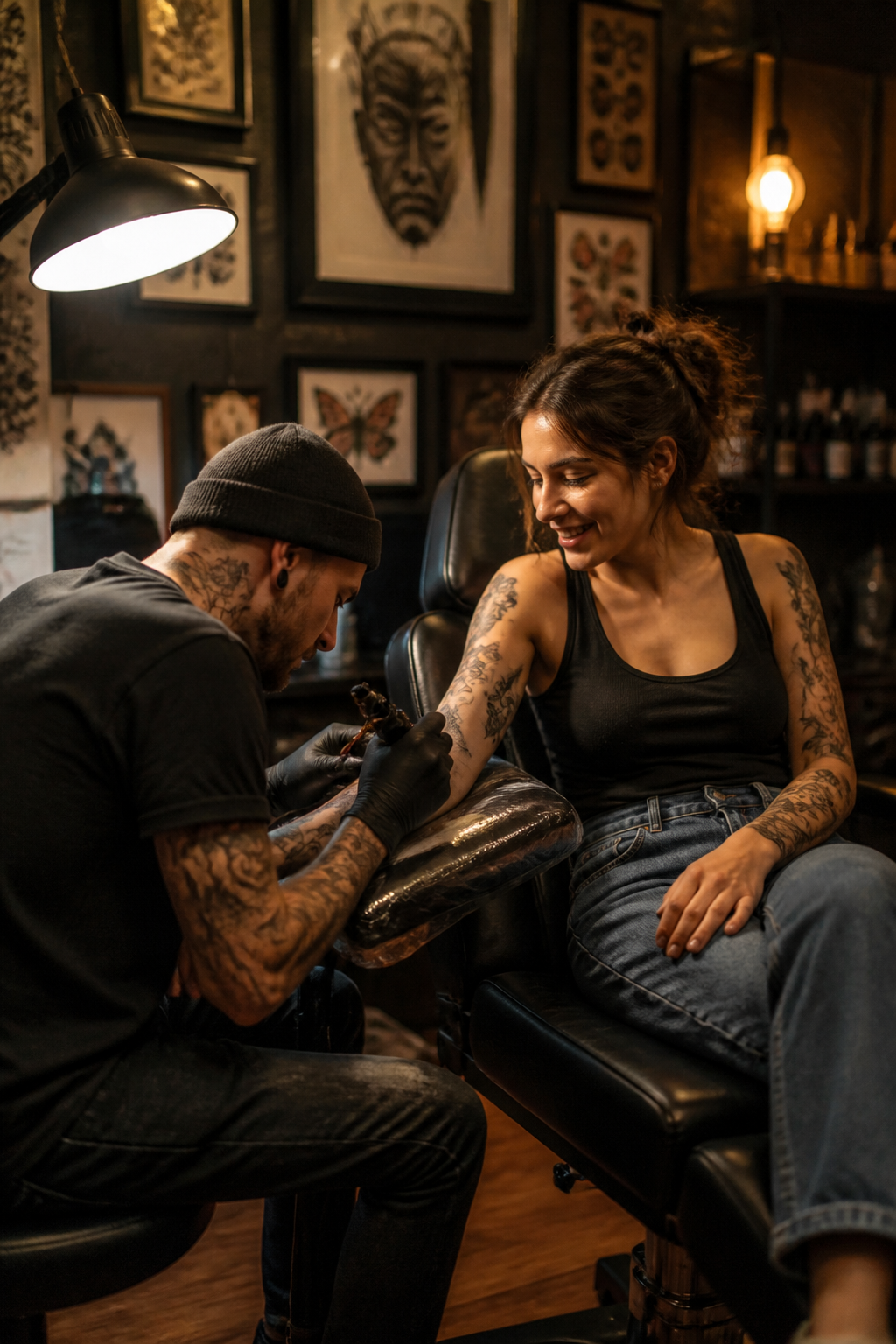
Stepping into a professional shop for the first time can feel intimidating, but the heartbeat of the industry lies in its unique studio culture. It is a space built on mutual respect, where the unspoken rules of etiquette are just as important as the art itself. From the moment you walk through the door, you are entering a creative sanctuary that functions on a specific rhythm of hygiene, focus, and collaboration.
Communication is the foundation of a healthy shop environment. Whether you are discussing a custom piece or picking flash off the wall, being clear about your expectations while remaining open to professional advice is key. Artists appreciate clients who understand that the process is a partnership. This respectful exchange is what keeps the creative energy flowing and ensures the final result exceeds expectations.
Observing proper boundaries is another vital aspect of the environment. While it might be tempting to bring a large group of friends for support, most shops prefer a minimalist approach to minimize distractions. Keeping the workspace clear allows the artist to maintain the high level of concentration required for precision work. Respecting the physical space and the artist’s time is a hallmark of a seasoned collector who values the craft.
Beyond the chair, the way you handle the logistical side of the appointment reflects your grasp of the local scene. Arriving on time, being prepared with proper hydration, and understanding the tipping customs are all small gestures that go a long way. These actions contribute to a positive atmosphere, making the studio a more welcoming place for everyone involved in the session.
Ultimately, studio culture is about preserving the integrity of the tattooing tradition while embracing modern professional standards. By being a mindful participant in the shop dynamic, you help foster a community where creativity thrives and every client feels at home. A great tattoo is not just about the ink; it is about the memory of the experience created within those walls.