Unfiltered Truths: Navigating Tattoo Pain and Endurance
2 months ago
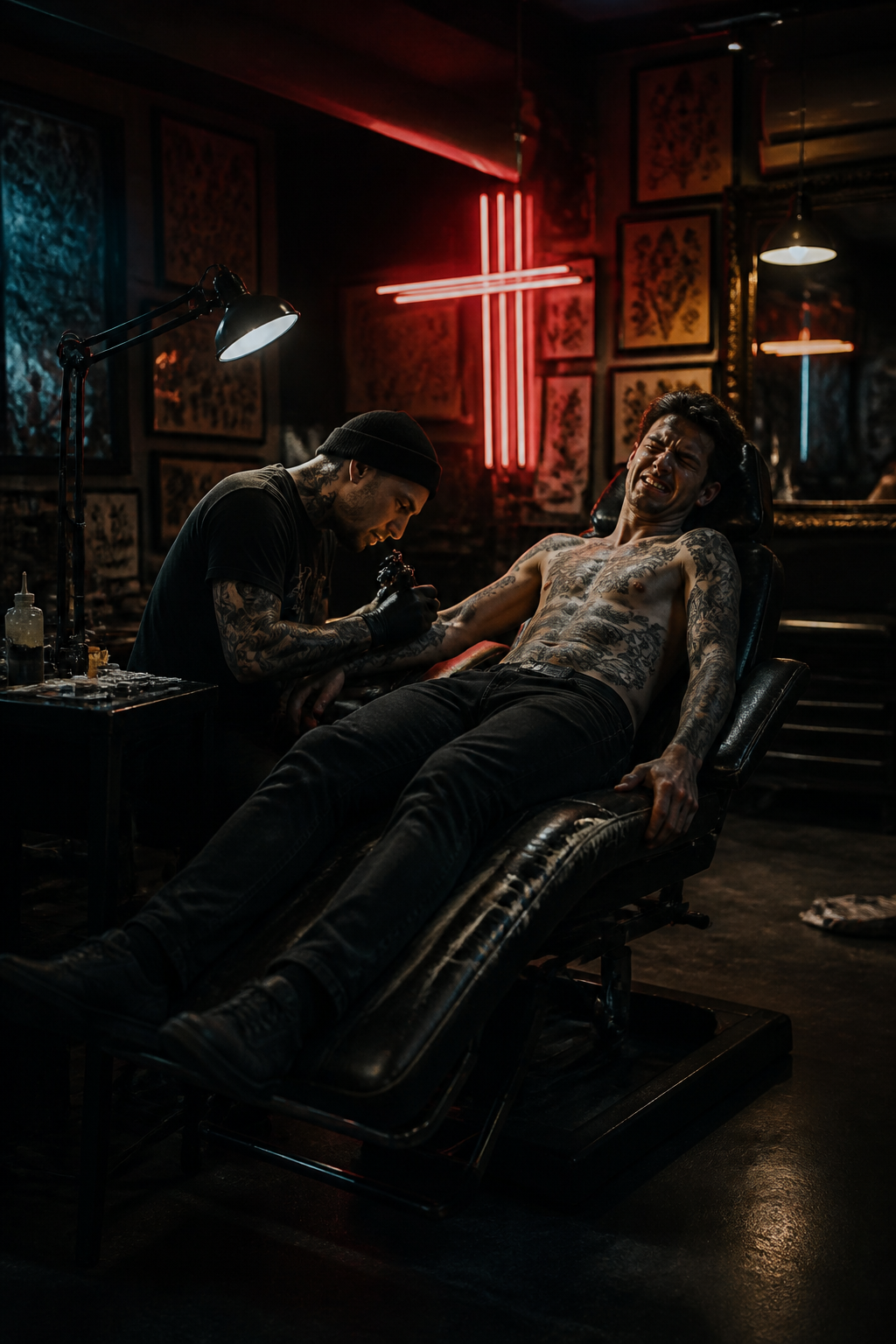
When it comes to getting inked, everyone wants to know about tattoo pain. While everyone responds differently, placement is the primary factor. General 'fleshy' areas like the outer arm or thigh are manageable, feeling more like a scratch. However, areas where the skin is thin or directly over bone—such as the ribs, shins, or elbows—tend to register much higher on the intensity scale.
Your physical state before the appointment significantly impacts your threshold. Showing up sleep-deprived can make even a small piece feel exhausting. Proper rest ensures your nervous system isn't already on high alert. Hydration is equally crucial; well-hydrated skin is more supple and receptive to the needle, which can actually decrease the overall friction and irritation during the process.
What you consume on the day of your session matters just as much. While it might be tempting to grab an extra-large coffee to stay alert, caffeine is a stimulant that can increase your heart rate and make you feel more jittery or sensitive to tattoo pain. It can also act as a mild blood thinner, potentially causing more bleeding and making the artist’s job more difficult. Stick to a hearty meal and plenty of water instead.
For those tackling large-scale projects, managing long sessions is an art in itself. Communication with your artist is key; don't be afraid to ask for short breaks to stretch or have a quick snack. Keeping your blood sugar stable prevents the 'tattoo flu' or lightheadedness that often hits after several hours of constant adrenaline.
Focusing on your breathing is one of the most effective ways to mitigate the sting. Deep, rhythmic breaths help regulate your nervous system and keep you from tensing up. When your muscles are tight, the needle feels more intrusive, so staying loose and mentally prepared will help you power through the more difficult phases of the session.