
Unfiltered Truth: Navigating Tattoo Pain by Placement and Prep
6 days ago
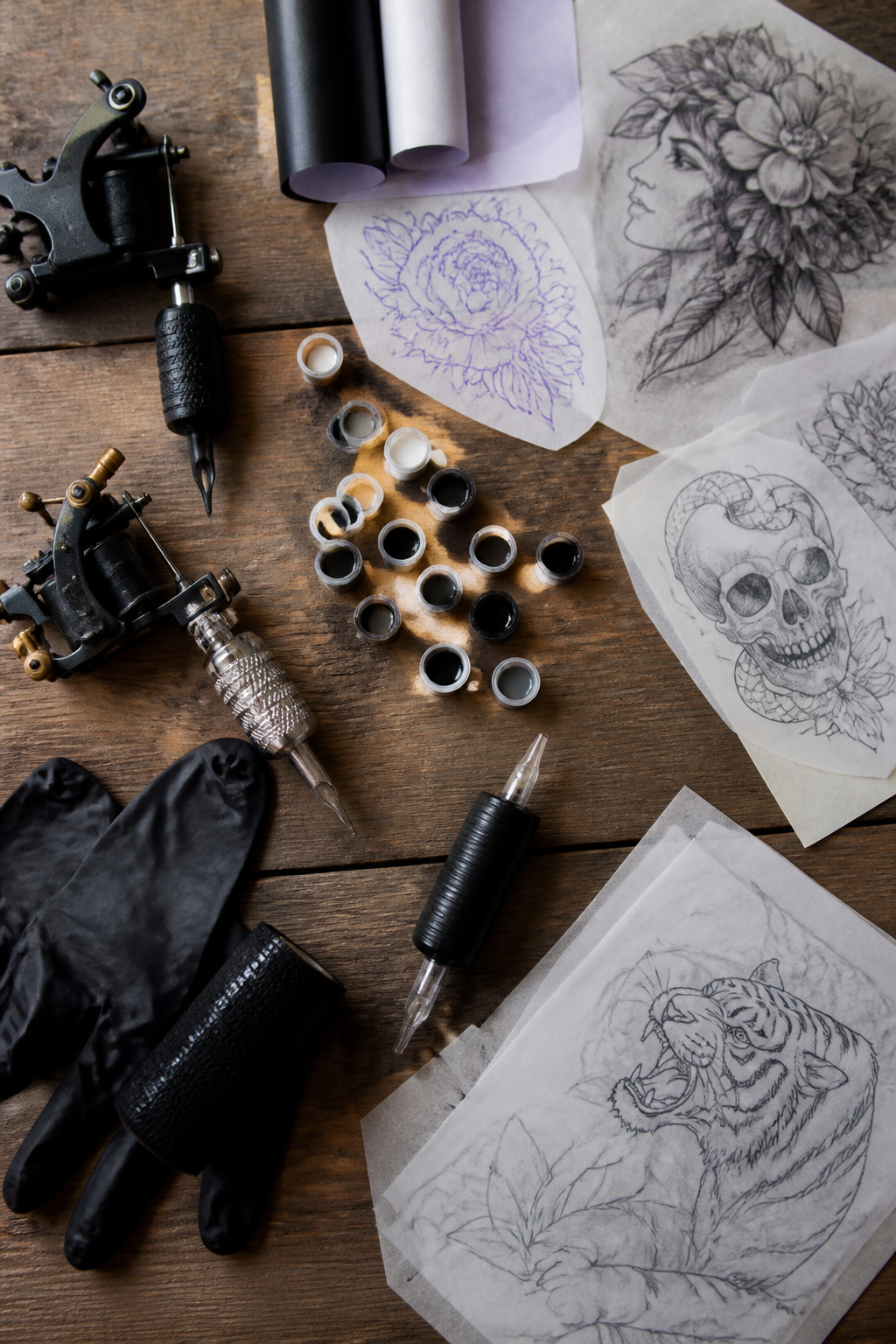
Understanding tattoo pain starts with geography. While the fleshy parts of the forearm or outer thigh are often described as a mild annoyance, areas where the skin is thin and close to the bone tell a different story. The ribs, collarbones, and feet are notorious for a sharp, vibrating sensation that tests even the most seasoned collectors. Knowing these pain thresholds helps you mentally prepare for the intensity of the session.
Your internal chemistry plays a massive role in how you process the needle. Hydration is the most underrated factor; well-hydrated skin is more supple, takes ink more easily, and tends to swell less. Conversely, showing up with a hangover or running on three hours of sleep will significantly lower your pain tolerance, making a routine two-hour session feel like a marathon.
What you consume before sitting down matters just as much as your rest. While a morning espresso is standard for many, excessive caffeine can make you jittery and increase your heart rate, which often heightens anxiety and sensitivity. A hearty, protein-rich meal an hour before your appointment is essential to keep your blood sugar stable and prevent fainting during the adrenaline spikes.
Managing long sessions is a mental game as much as a physical one. Controlled breathing—slow, rhythmic inhales and exhales—helps keep your nervous system from going into fight-or-flight mode. Don't be afraid to ask your artist for short breaks to stretch; staying stiff for hours only increases muscle tension, which can make the actual tattoo pain feel more acute as the hours tick by.
Communication with your artist is your best tool for success. If you feel a sharp drop in your energy or the sensation becomes unbearable, speak up. Most professionals would rather you take five minutes to reset than have you twitching or passing out. By balancing physical preparation with clear communication, you turn an intimidating ordeal into a manageable rite of passage.