
Unfiltered Truth: Managing Your Tattoo pain by Placement and Prep
10 days ago
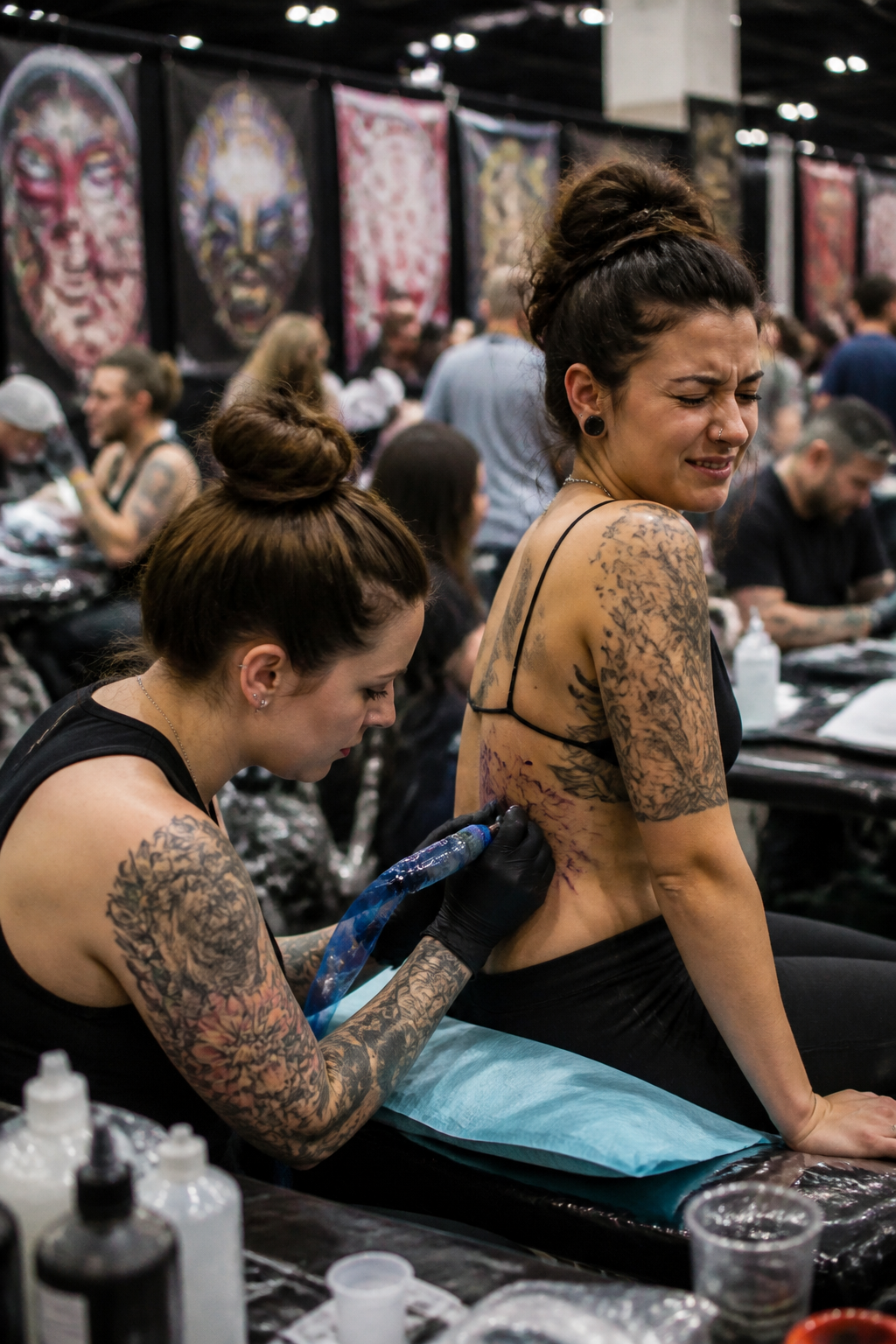
Understanding tattoo pain starts with the anatomy of the nervous system. Areas with thin skin and proximity to bone, such as the ribs, shins, and sternum, consistently rank highest on the intensity scale. Conversely, fleshy areas like the outer thighs or upper arms are generally more manageable for those worried about their first piece. Knowing the map of your body helps set realistic expectations before the needle even touches down.
Beyond just placement, your physical state plays a massive role in how you process the sensation. Entering a session sleep-deprived or dehydrated causes your nervous system to be on high alert, significantly lowering your threshold for discomfort. Proper hydration keeps the skin elastic and receptive, while a full night of rest ensures your brain has the stamina to filter out the repetitive sting of the machine.
Dietary choices on the day of your appointment are equally crucial. While it might be tempting to grab a double espresso for energy, caffeine is a stimulant that can increase jitteriness and heighten sensitivity to pain. It also acts as a mild blood thinner. Instead, focus on a high-protein meal and slow-release carbohydrates to keep your blood sugar stable, preventing the lightheadedness that often accompanies long sit-down sessions.
During a long session, managing the mental aspect is just as important as the physical. Controlled, deep breathing helps regulate your heart rate and prevents the 'fight or flight' response from taking over. Don't be afraid to communicate with your artist; a quick five-minute break to stretch and drink water can reset your focus and make a four-hour piece feel significantly more achievable.
Ultimately, managing the experience is about preparation rather than just 'toughing it out.' By controlling your environment and internal chemistry, you can transform a grueling endurance test into a focused, meditative process. The result is not just a high-quality piece of art, but a much more positive memory of the time spent in the chair.