
Transformation Mastery: How to Plan Your Next Tattoo cover-up
3 days ago
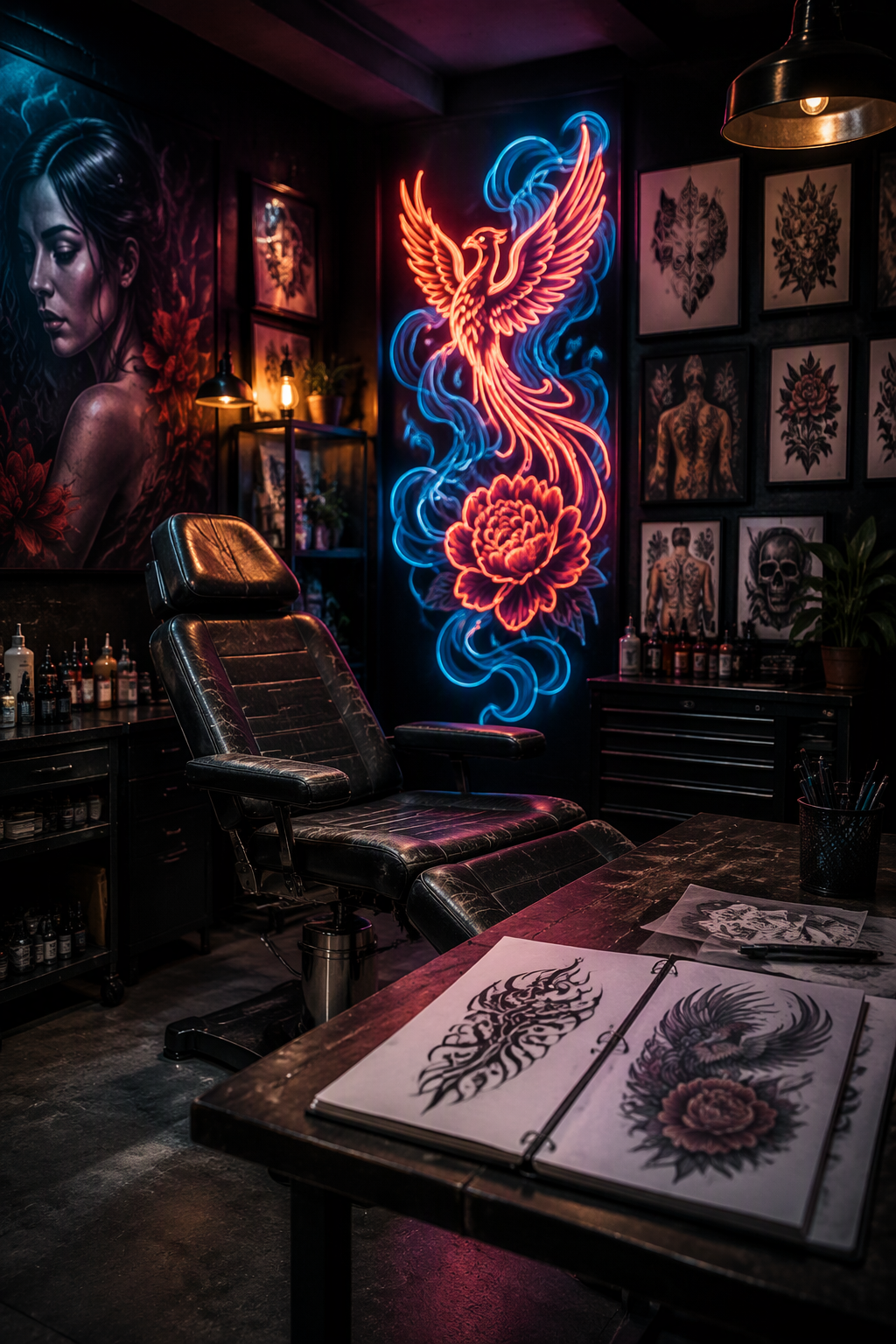
A successful Tattoo cover-up is not about simply painting over old ink; it is a complex game of color theory and camouflage. Because tattoo ink sits in the dermis, the new pigments will mix with the old ones rather than sitting on top of them. This means your artist must strategically use darker tones, textures, and heavy saturation to effectively hide the original design without creating a muddy mess.
Not every old piece can be hidden with a new one immediately. If your existing tattoo is extremely dark, dense, or features heavy scarring, you might need a few sessions of laser fading first. Lightening the old pigment allows for a much wider range of design possibilities, preventing the new artwork from being limited to solid black shapes or oversized, dark motifs.
Design strategy is the most critical element of the process. Flow and movement are used to trick the eye, drawing attention away from the old lines and toward the new focal points. Large-scale patterns, such as organic floral work or high-detail bio-mechanical textures, are often more effective than geometric shapes because they offer more opportunities to break up the underlying silhouettes.
Picking the right artist is non-negotiable when dealing with a Tattoo cover-up. This is a specialized skill set that requires a deep understanding of how skin holds pigment over time. Look for portfolios that specifically showcase 'before and after' photos to ensure the artist knows how to manage the unique challenges of overlapping ink.
Ultimately, a cover-up is a collaborative effort between you and your artist. You may need to compromise on the size or color palette of your new design to ensure the old one disappears entirely. By respecting the limitations of the medium and planning with a professional, you can turn a source of regret into a high-quality piece of art.