The Strategic Reality of Tattoo Pain: Placements and Preparation
2 days ago
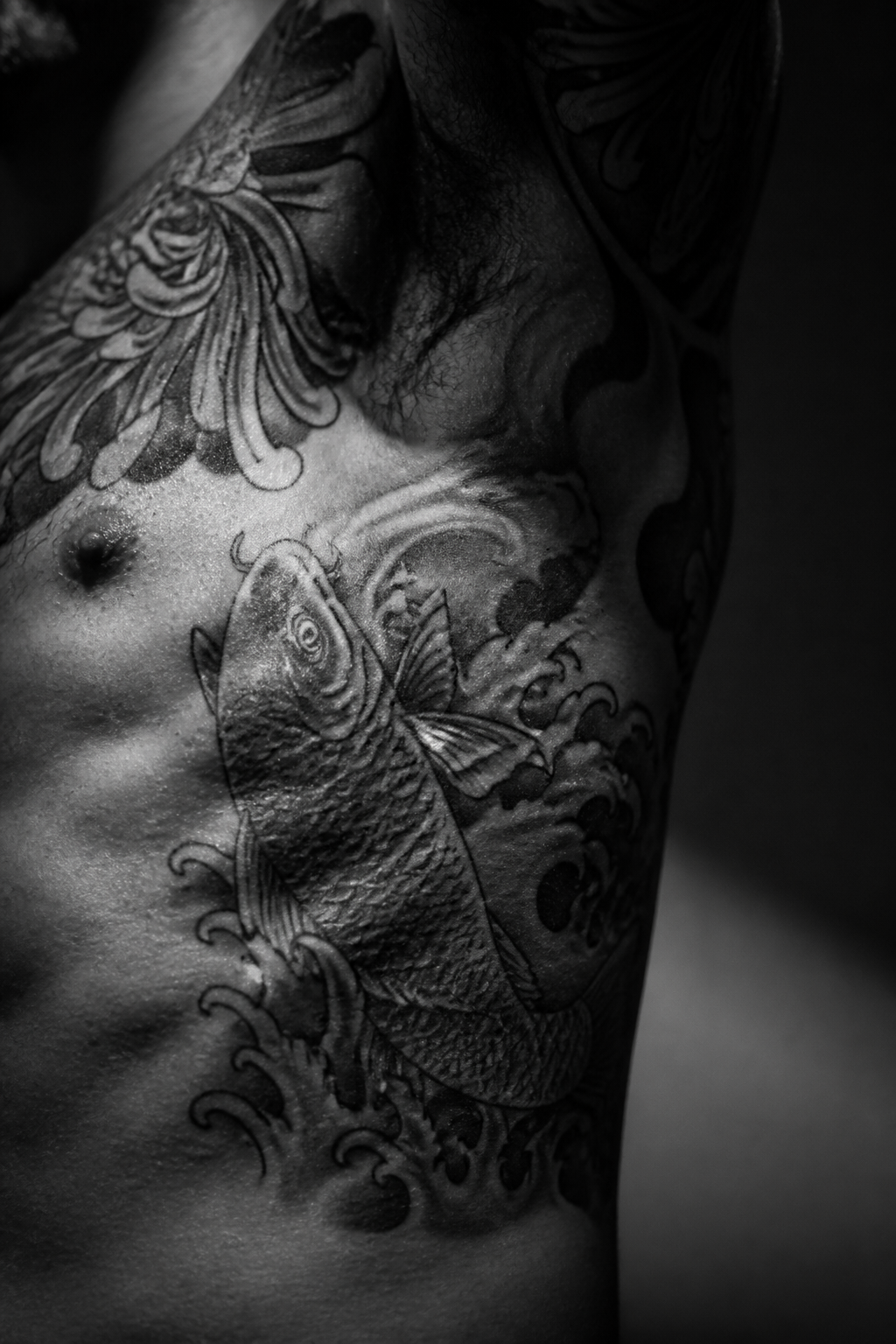
Before the needle touches your skin, it is vital to understand that tattoo pain is not a monolith. Sensitivity varies wildly depending on the density of nerve endings and the proximity of bone to the surface. While fleshy areas like the outer arm or thigh are often described as a manageable dull scratch, 'spicy' zones like the ribs, shins, and sternum can test the endurance of even the most seasoned collectors.
Your physical state on the day of the appointment plays a massive role in how you process the sensation. Showing up sleep-deprived or hungover is a recipe for a difficult session, as your nervous system is already on high alert. A solid eight hours of rest acts as a natural buffer, allowing you to remain calm and still while the artist works on intricate details.
Hydration and nutrition are your best defensive tools against escalating tattoo pain. Being well-hydrated keeps the skin supple and more receptive to ink, potentially reducing the number of passes needed. Eating a protein-rich meal an hour before your session prevents blood sugar crashes, which can lead to lightheadedness and a lower tolerance for physical discomfort.
One common mistake is over-caffeinating before hitting the studio. While you might want the energy boost, excessive caffeine can make you jittery, increase your heart rate, and actually heighten your sensitivity to sharp sensations. Stick to water or juice, and save the double espresso for after you have successfully earned your new piece.
For long sessions, managing the discomfort is all about rhythmic breathing and mental distraction. Deep, consistent breaths help oxygenate the blood and keep your muscles from tensing up, which often makes the needle feel more intense. Bringing headphones or a tablet to focus on a movie can provide the necessary mental distance to get through a multi-hour back or chest piece.
Ultimately, transparency with your artist is key. If the tattoo pain becomes overwhelming, don't be afraid to ask for a short break to stretch and reset. A professional artist would much rather you take five minutes to breathe than risk you fainting or twitching during a crucial line. Preparation and communication transform the experience from an endurance test into a manageable process.