
The Rise of Sticker-Sleeves: Exploring 2026’s Most Playful Tattoo trends
23 days ago
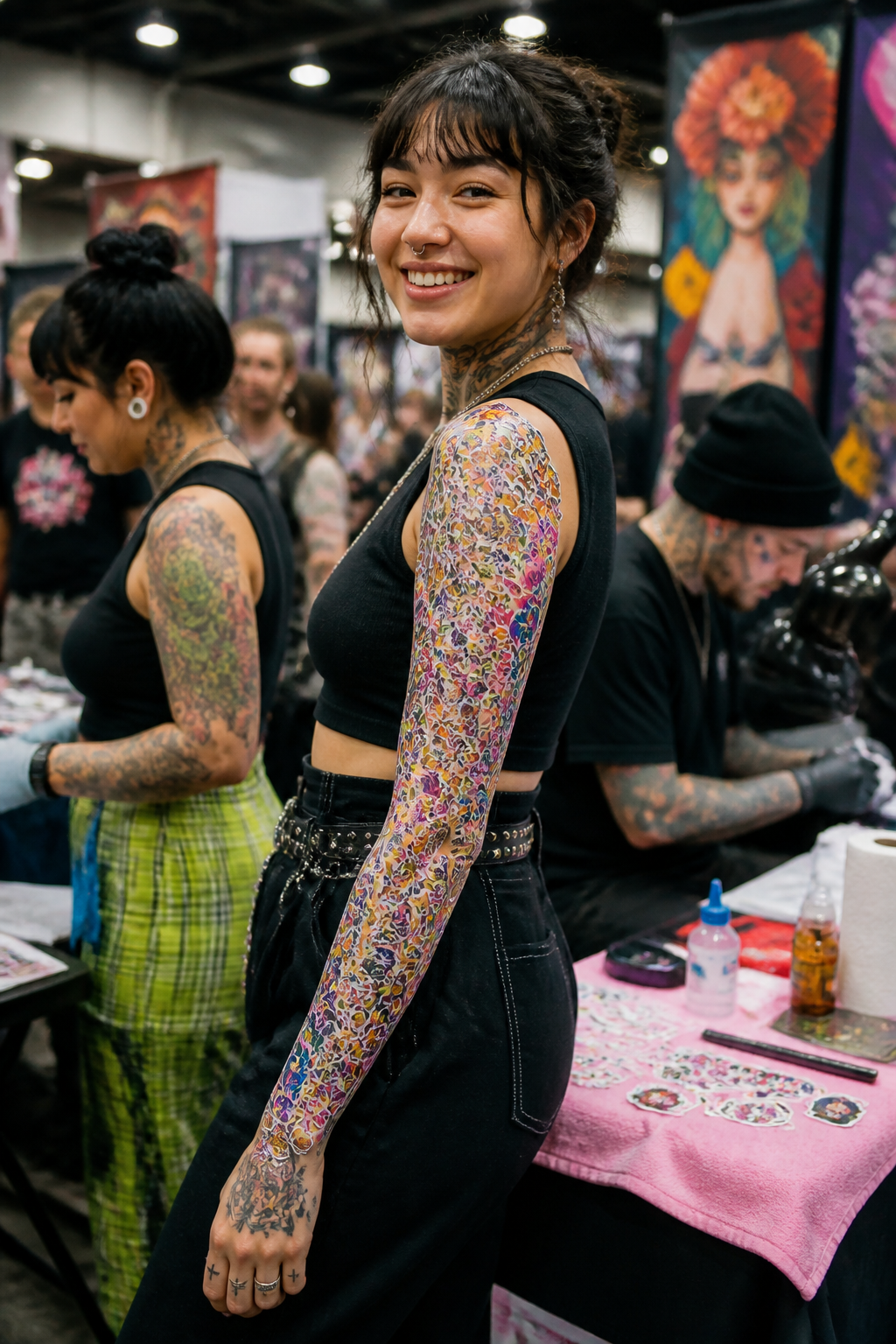
The landscape of body art is shifting away from cohesive, large-scale compositions in favor of what insiders call 'sticker-sleeves.' This movement is one of the most visible tattoo trends defining 2026, characterized by a collection of small, isolated designs that look like they were peeled off a laptop and slapped onto the skin. Unlike traditional sleeves that rely on wind bars or clouds to bridge the gaps, this style celebrates the negative space between each individual piece.
This trend found its footing in the skate and punk scenes of Los Angeles and London before exploding across social media. Early adopters moved away from the pressure of committing to a singular theme, opting instead for a curated gallery of personal icons. By treating the arm or leg as a canvas for a patchwork quilt of imagery, collectors can add to their work over many years without worrying about how a new piece will flow into a pre-existing background.
Key artists driving this aesthetic include pioneers like experimental illustrator Sanghyuk Ko and the whimsical fineline specialists at Seoul’s Studio By Sol. Their work often features high-contrast subjects—ranging from vintage matchbooks to hyper-realistic fruit—placed in seemingly random but visually balanced configurations. The appeal lies in the versatility; one can have a bold neo-traditional piece sitting right next to a delicate micro-realism portrait.
Technical precision is paramount for this look to succeed. Because there is no background shading to hide behind, each individual 'sticker' must have crisp borders and saturated color or deep blackwork to stand out against the skin. Collectors are increasingly seeking out specialists who can replicate the look of glossy vinyl or embroidered patches, complete with white-ink highlights that simulate a plastic sheen.
As 2026 progresses, the sticker-sleeve is evolving to include more 'ignorant style' elements and pop-culture nods. It reflects a modern desire for modularity and instant gratification, allowing a person to get a finished piece in a single short session rather than enduring months of work for a full-back composition. It is a democratization of the sleeve, making large-scale coverage accessible through bite-sized, meaningful additions.