
The Resurgence of Fine-Line Botanicals
3 months ago
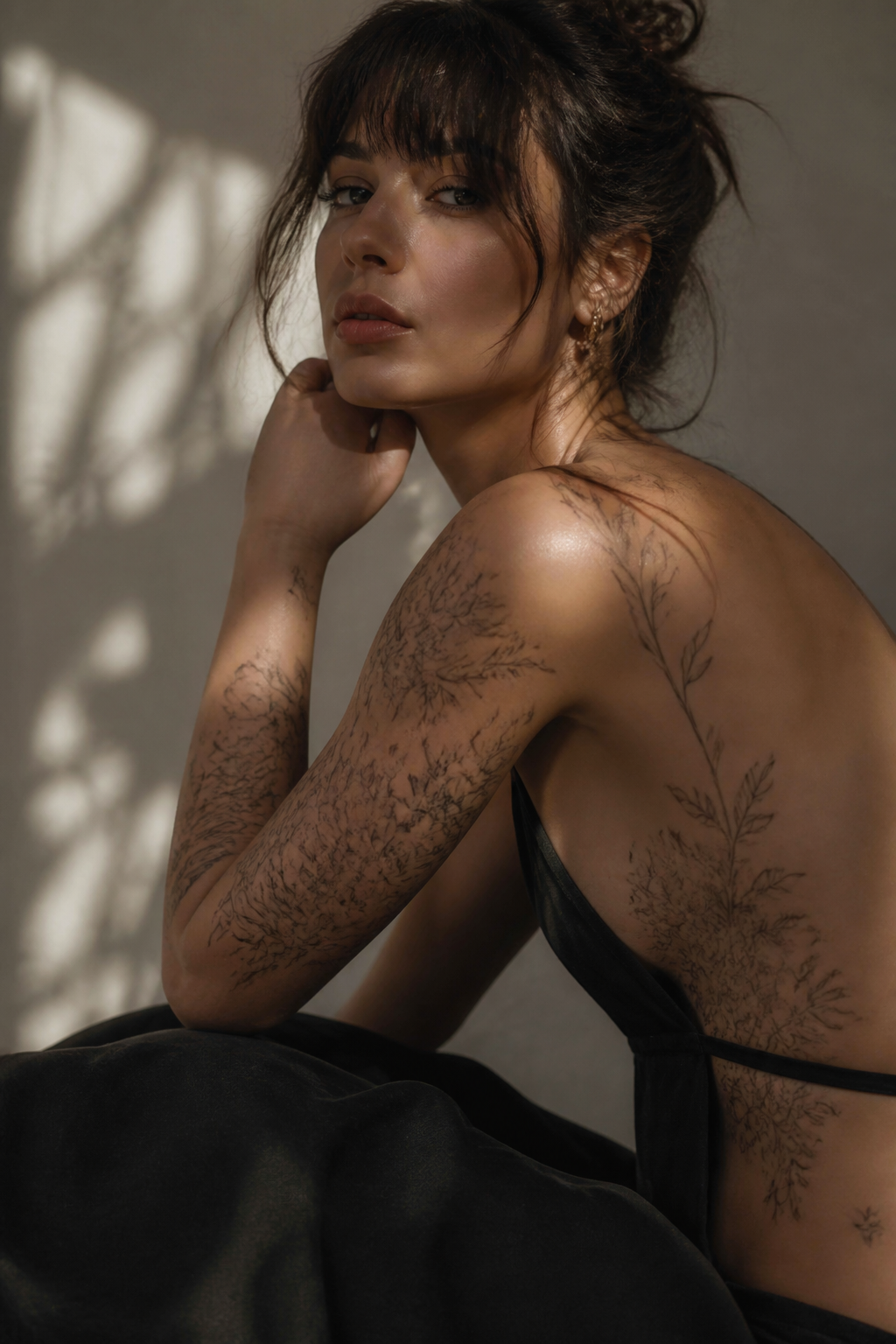
The tattoo world is currently experiencing a quiet revolution in the form of fine-line botanical work. Moving away from the bold, saturated borders of traditional styles, contemporary artists are using single-needle techniques to mimic the fragility of real-world flora. These designs often look more like sketches from a 19th-century gardener’s notebook than typical skin art.
Technological improvements in needle manufacturing have allowed artists to achieve a level of detail previously thought impossible. Skin is now being treated like high-grade vellum, capturing the translucent quality of a petal or the microscopic serrations on a leaf. This precision appeals to a demographic seeking elegance and subtlety over high-contrast imagery.
Placement has also evolved alongside the technique. Instead of centering pieces on flat surfaces like the back or thigh, botanical artists are wrapping vines and wildflowers around the natural anatomy. The goal is to create a flow that mimics how a plant would naturally climb a trellis, using the body's curves to give the static ink a sense of organic movement.
Longevity remains a major talking point within this trend. While critics argue that super-fine lines may blur over time, masters of the craft emphasize the importance of depth control and proper aftercare. When executed by a specialist who understands skin tension, these ethereal pieces can age into soft, graceful shadows that remain legible for decades.
As we look toward the next season of tattoo conventions, expect to see an influx of 'micro-realism' botanical booths. The trend isn't just about the flowers themselves, but a broader shift toward tattoos that feel like integrated parts of the wearer’s identity. It is a celebration of the natural world, rendered with a light touch and a deep respect for the medium.