
The Resilient Influence of Music-Scene Ink on Modern Tattoo Culture
3 months ago
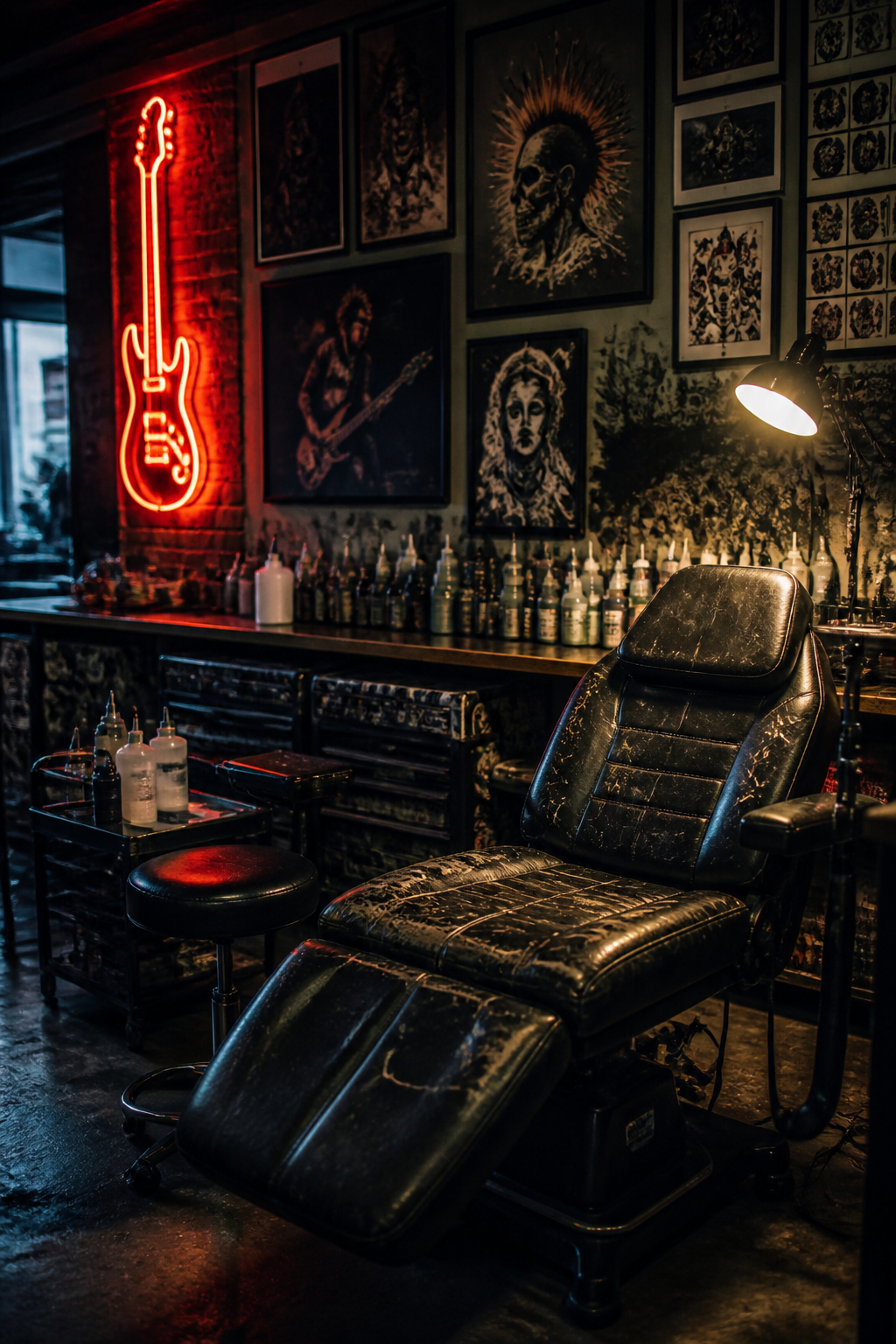
The link between what we hear and what we wear under our skin has never been stronger. From the early days of band logos scratched into forearms in basement venues to the polished tour designs of today, the music scene has served as a primary incubator for the global tattoo culture we celebrate. It is a world where fandom and identity collide, turning the body into a permanent record of sonic preference.
Historically, specific genres dictated the aesthetics of the shop. The sharp, high-contrast imagery of the hardcore scene prioritized speed and visibility, often favoring bold slogans and striking motifs that could be identified from the front row of a mosh pit. This urgency helped strip away the pretension of fine art, grounding tattoo culture in something visceral and immediate.
In contemporary studios, we see a massive shift toward concert-inspired imagery. It is no longer just about the logo; it is about the feeling of a specific era. Artists are now translating the grit of distortion pedals and the fluid rhythm of a bassline into needlework, creating a visual language that mimics the movement of sound on the skin.
Social media has further bridged the gap between the stage and the studio. Fans follow their favorite musicians not just for the setlist, but to see who is tattooing them backstage. This visibility has normalized large-scale pieces and visible placements, pushing the boundaries of what is considered acceptable in professional environments.
Ultimately, the music scene ensures that tattoo culture remains a living, breathing movement. As long as there are sub-cultures forming around new sounds, there will be a corresponding emergence of art in the ink. It is a cycle of influence that keeps the industry evolving, proving that the most powerful tattoos are often born from the harmony of a shared beat.