
The Renaissance of Fine Line Florals
3 months ago
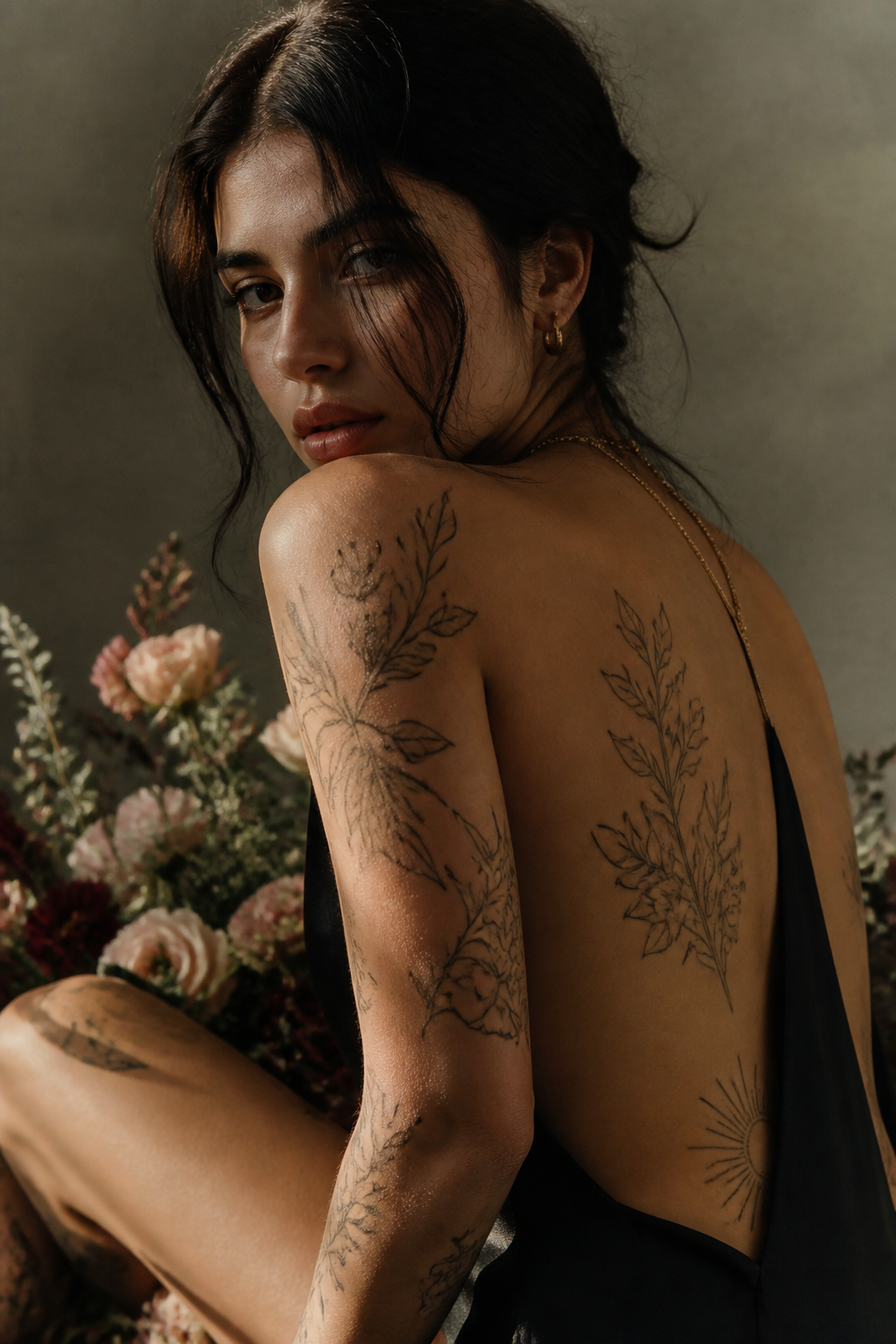
The landscape of tattoo artistry is currently witnessing a significant shift toward hyper-delicacy. Collectors are moving away from traditional bold American tattooing in favor of fine-line botanical studies. These pieces utilize single-needle techniques to achieve a level of detail that looks more like a graphite sketch than a permanent skin modification. This trend celebrates the nuance of nature, focusing on the fragile veins of leaves and the translucent quality of flower petals.
Technique is paramount in this sub-genre. To achieve these ethereal effects, artists must master the art of soft gray shading and precise linework. Unlike traditional styles that rely on heavy black borders to hold the ink, fine-line florals use negative space and varying pressure to create depth. This requires a steady hand and a deep understanding of how ink spreads beneath the dermis over several years.
Placement is also changing. While large backpieces were once the standard for floral arrangements, the modern trend favors 'micro-botanicals' tucked into unexpected places. Delicate sprigs of lavender behind the ear or tiny ferns wrapping around a finger are increasingly popular. These placements act as permanent jewelry, offering a subtle hint of nature that complements the body's natural curves rather than overpowering them.
Sustainability is the final piece of the puzzle. As the culture shifts, many artists specializing in this style are also advocating for vegan-friendly inks and biodegradable studio supplies. This holistic approach resonates with a client base that values both aesthetic precision and ethical responsibility. Whether it is a single rose or an entire herb garden, the new wave of botanical ink is as much about the philosophy of the craft as it is about the visual result.