The Reality of Tattoo Pain: Placement Charts and Prep Secrets
12 days ago
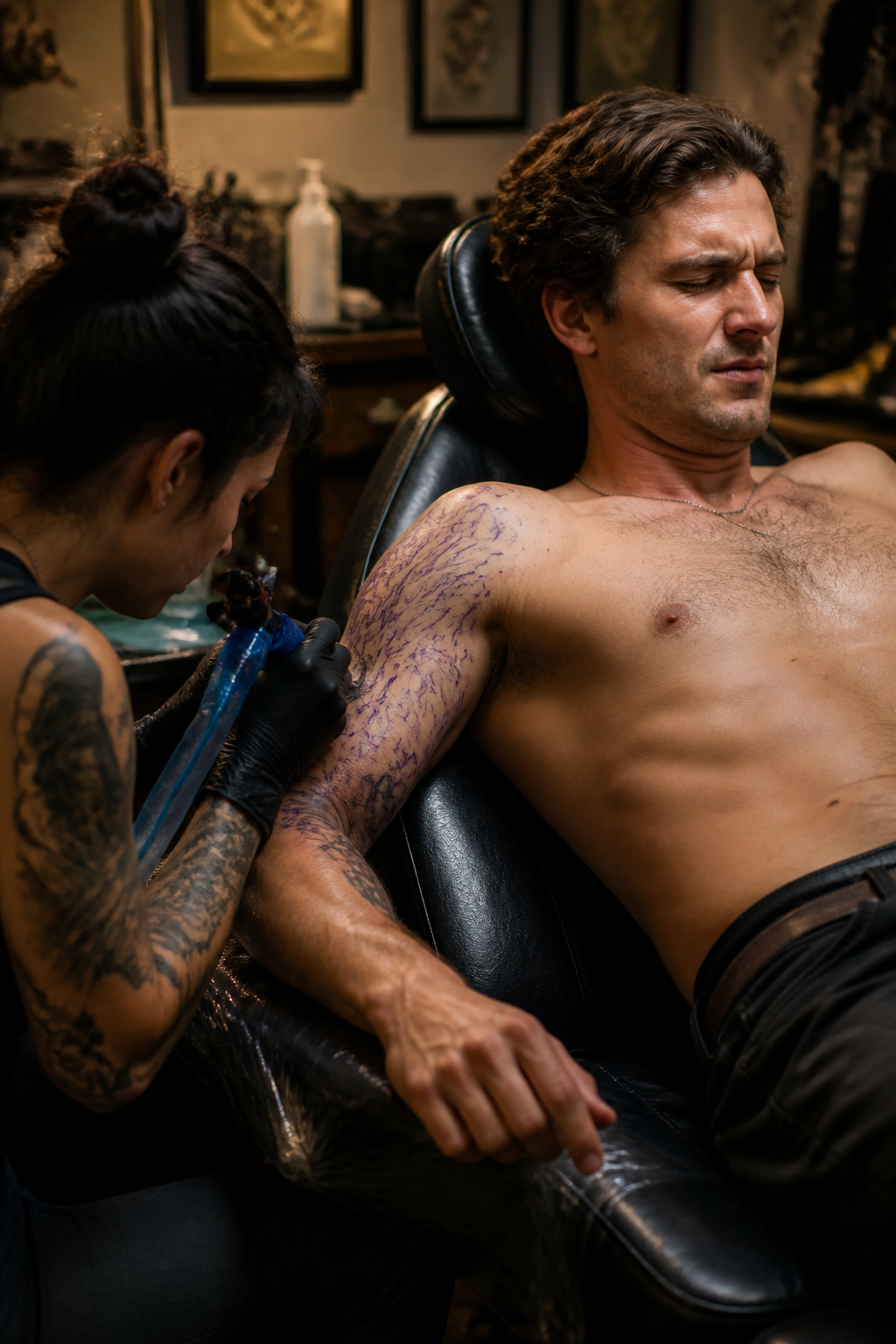
Understanding tattoo pain is the first step toward a successful session. While everyone has a different threshold, certain areas are universally spicy. Fleshy parts like the outer arm or thighs are generally mild, making them perfect for beginners. However, areas where the skin is thin or sits directly over bone—such as the sternum, shins, or elbows—will definitely test your mettle.
Your physical state before you sit in the chair dictates how you process the sensation. Dehydration makes the skin less elastic and more sensitive, so drinking plenty of water the day before is essential. Likewise, showing up on an empty stomach is a recipe for disaster; a high-protein meal keeps your blood sugar stable and prevents fainting during intense moments.
One common mistake is loading up on coffee before an appointment. Caffeine is a stimulant that can increase your heart rate and make you feel jittery, which often amplifies the perception of discomfort. It can also act as a blood thinner, potentially causing more bleeding and making the artist's job harder. Stick to herbal tea or water until the session is over.
For those tackling large-scale pieces, managing the clock is key. During long sessions, your body eventually runs out of adrenaline, and the sensation can become more grating. Communicate with your artist about taking short breaks to stretch and snack, but avoid stopping for too long, as the area can swell and become even more sensitive when the needle returns.
Ultimately, your mindset plays a massive role. Focusing on deep, rhythmic breathing helps calm the nervous system and keeps you from tensing your muscles. When you relax your body, the needle glides more easily, and the overall experience becomes a manageable hum rather than a sharp sting. Being prepared is the best way to conquer the chair.