
The Reality of Tattoo Pain: A Strategic Survival Guide
21 days ago
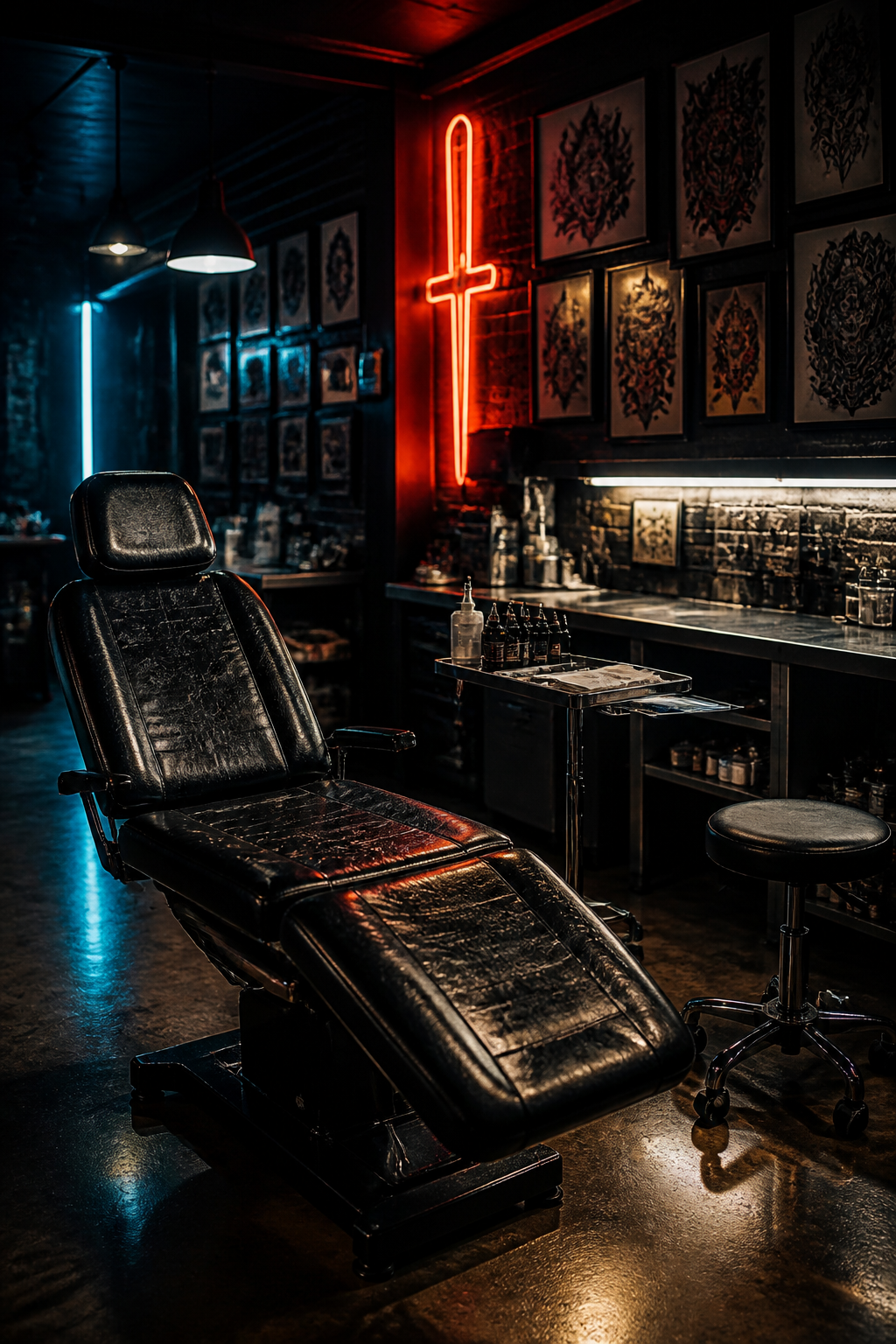
Understanding tattoo pain is the first step toward a successful session. While pain is subjective, placement is the most predictable variable. Areas with thin skin and proximity to bone, such as the ribs, shins, and sternum, generally register higher on the discomfort scale. Conversely, fleshier zones like the outer thighs or upper arms offer a much more manageable experience for most collectors.
Your internal chemistry plays a massive role in how you process the needle. Arriving at the studio dehydrated or sleep-deprived lowers your pain threshold significantly. When your body is fatigued, your nervous system is on high alert, making every pass of the machine feel more intense than it should be. Priority one is always a full eight hours of rest.
What you consume before your appointment matters just as much as where the ink goes. Avoid excessive caffeine on the day of your session, as it can make you jittery and increase your heart rate, which often heightens anxiety and sensitivity. Instead, focus on a high-protein meal and consistent water intake to keep your skin supple and your energy levels stable.
During long sessions, the mental game is just as important as the physical one. Don't be afraid to communicate with your artist about breaks. Taking five minutes to stretch and reset can prevent the 'tattoo flu' feeling that happens when your body is overwhelmed by adrenaline. Controlled breathing—slow inhales and exhales—helps regulate your nervous system and keeps you calm.
Managing your expectations can also lessen the perception of discomfort. Acknowledge that the first ten minutes are usually the hardest as the body adjusts. Once the endorphins kick in, most people find they settle into a rhythm. Bringing a distraction, like a podcast or an upbeat playlist, can also help shift your focus away from the sensation of the needle.
Ultimately, the sensation is a temporary hurdle for a permanent piece of art. By prepping your body through proper nutrition and choosing your placement wisely, you can navigate the process with confidence. Treat your session like a marathon rather than a sprint, and you'll find the experience much easier to handle.