
The Reality of Tattoo Pain: A Modern Guide to Sensation and Stamina
3 months ago
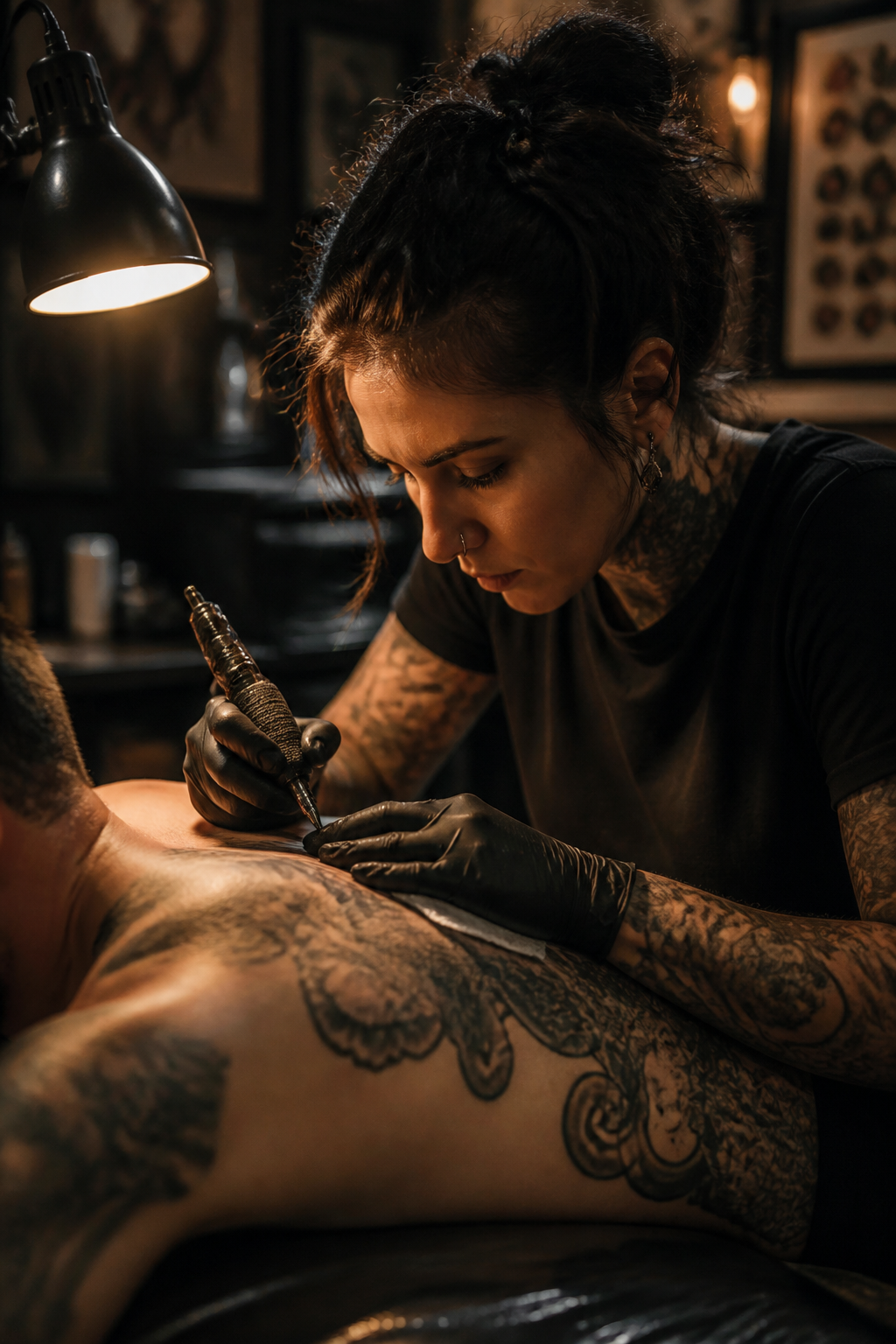
Understanding tattoo pain is the first step toward a successful session. While pain is subjective, placement is the ultimate deciding factor. Areas with thin skin and proximity to bone, like the ribs, shins, and sternum, typically rank highest on the intensity scale. Conversely, fleshy areas like the outer arm or thigh are generally considered manageable for beginners and veterans alike.
Preparing your body is just as important as choosing the right artist. A solid night of sleep and a high-protein meal can significantly increase your pain threshold. When you are well-rested, your nervous system is better equipped to handle the repetitive sensation of the needle, preventing the 'faint' feeling that often comes from low blood sugar or fatigue.
Hydration plays a sneaky role in the process. Well-hydrated skin is more supple and easier for the artist to work on, potentially shortening the duration of the session. On the flip side, you should avoid heavy caffeine intake or alcohol 24 hours before your appointment. Caffeine is a stimulant that can make you jittery and more sensitive to the pinch, while alcohol thins the blood.
For those tackling large-scale projects, managing long-session discomfort is a mental game. Controlled breathing is your best tool; focus on exhaling as the needle hits the skin to help your muscles stay relaxed. Tensing up actually increases the sensation of pain, so keeping your body limp and focused on a playlist or podcast can provide a necessary distraction.
Communication with your artist is essential during the process. If the tattoo pain becomes overwhelming or you feel a 'buzzing' sensation that makes you lightheaded, ask for a short break. Most professionals prefer you take five minutes to reset rather than pushing through and risking a shock response. A quick stretch and a sugary snack can often get you through the final hour.
Ultimately, the sensation is a temporary hurdle for a permanent piece of art. By controlling your environment and physical state, you can transform a daunting experience into a manageable rite of passage. Proper preparation ensures that you walk away with a piece you love, rather than just a memory of the sting.