
The Reality of Tattoo Pain: A Level-Headed Breakdown of the Needle
10 days ago
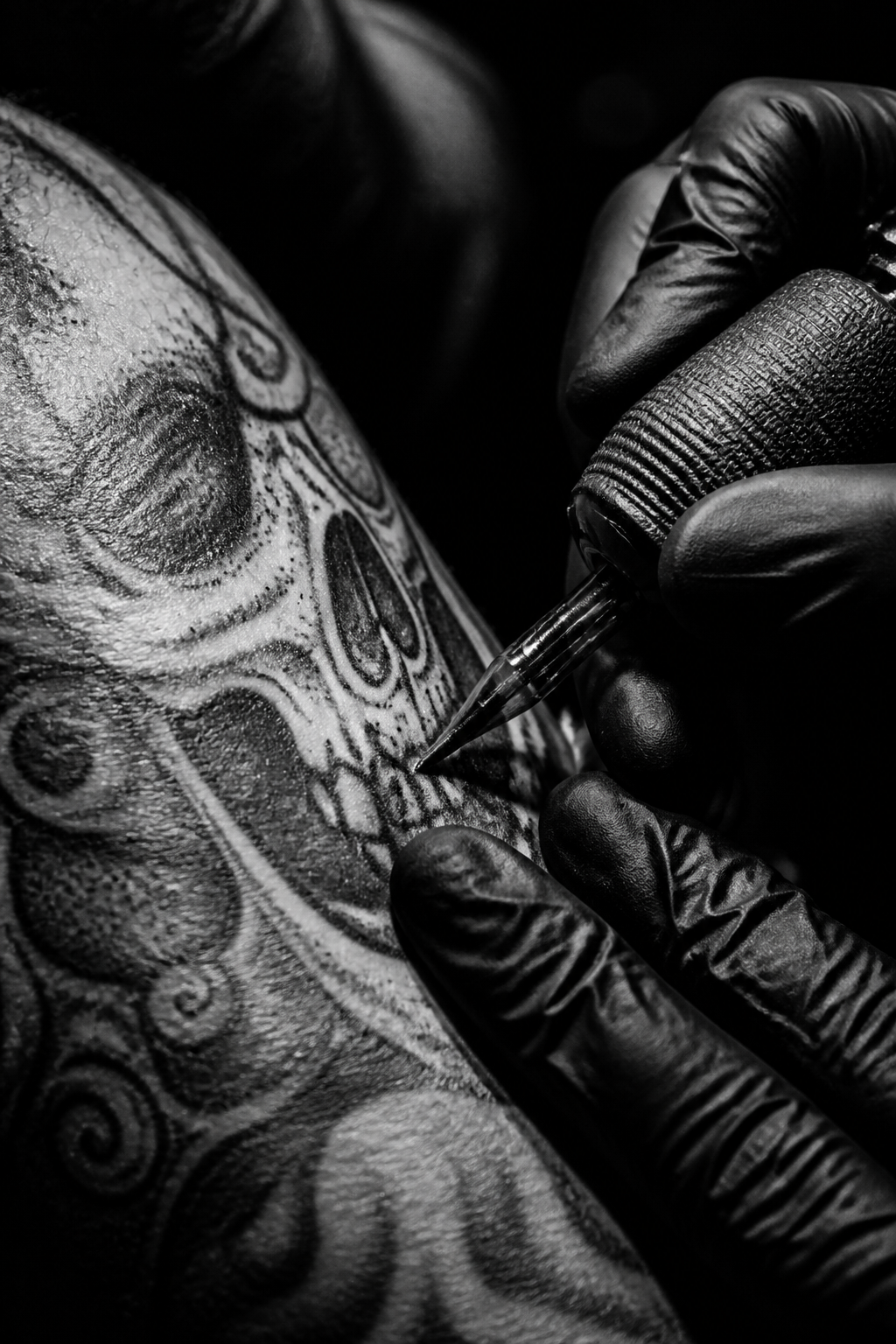
Navigating tattoo pain is a rite of passage, but it doesn't have to be a blind ordeal. While everyone’s threshold varies, the geography of your body dictates the baseline. Areas with lean muscle and thick skin, like the outer arm or thighs, are generally considered mild. Conversely, areas where the bone sits directly beneath the surface—think shins, ribs, and the sternum—offer a much sharper, vibrating sensation that tests even the most seasoned collectors.
Beyond just the location, your physiological state plays a massive role in how you process the sting. Showing up to a session dehydrated or running on three hours of sleep makes the nerves hyper-sensitive. Proper hydration helps the skin accept the ink more readily, potentially reducing the number of passes the artist needs to make, while a solid night of rest ensures your nervous system is resilient enough to handle the stress.
One common mistake is over-caffeinating before hitting the studio. While you might want that energy boost, caffeine is a stimulant that can increase your heart rate and make you more jittery, which often amplifies the perception of tattoo pain. It can also slightly thin the blood, leading to more weeping during the process. Stick to a heavy, protein-rich meal and plenty of water instead.
For those tackling long sessions, mental management is key. Don't be afraid to communicate with your artist about taking short breaks to stretch and reset. Using controlled, rhythmic breathing—inhaling through the nose and exhaling slowly through the mouth—can help lower your cortisol levels and keep you from tensing up. Remember, the sensation is temporary, but the art is permanent.