
The Reality of Tattoo Pain: A Guide to Placement and Sensation
4 months ago
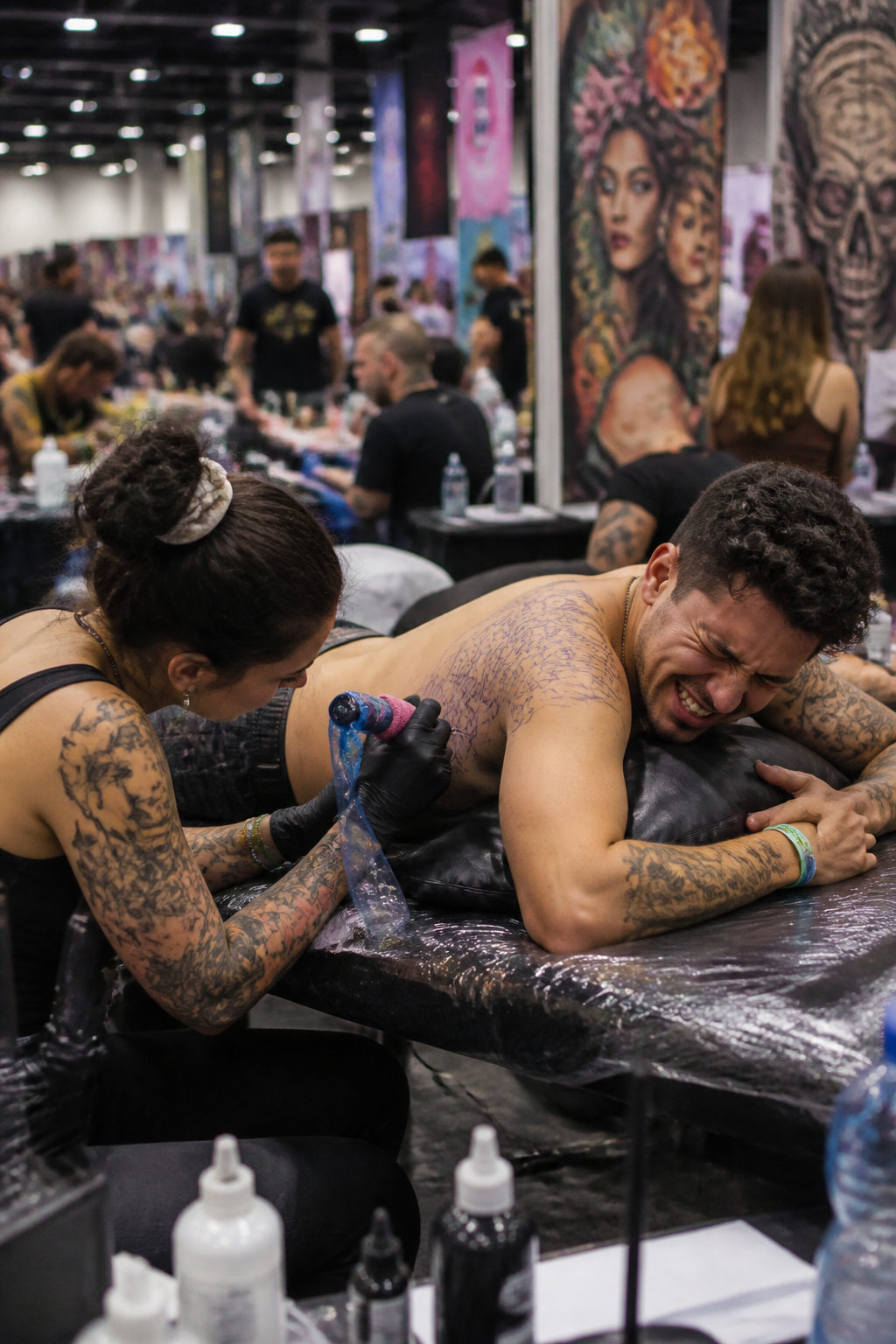
Navigating the sensation of the needle is a rite of passage for every enthusiast, but tattoo pain is far from a one-size-fits-all experience. Generally, the more bone or nerve endings a spot has, the more intense the sensation. Areas like the ribs, shins, and the inner elbow are notorious for their sharp feedback, while meatier sections like the outer arm or thigh tend to be more manageable for longer sessions.
Your physical state before walking into the shop plays a massive role in how you perceive discomfort. A solid eight hours of sleep is your best defense against a low pain threshold. When you are well-rested, your nervous system is significantly more resilient. Conversely, showing up exhausted can make even a simple forearm piece feel like an grueling endurance test.
Hydration is another critical factor often overlooked by newcomers. Drinking plenty of water in the days leading up to your appointment ensures your skin is supple and receptive to ink. Well-hydrated skin heals faster and allows the needle to glide more smoothly. On the flip side, avoid excessive caffeine on the day of your session. Caffeine is a stimulant that can increase your heart rate and make you feel jittery, which often amplifies the sensation of the needle.
Managing long sessions requires a mental game plan. Don't be afraid to utilize deep breathing techniques to stay grounded when the artist hits a sensitive spot. Breaking the session into manageable chunks and taking short breaks to stretch can prevent your muscles from seizing up. Bringing a sugary snack or a juice box can also help stabilize your blood sugar, preventing the lightheadedness that sometimes accompanies prolonged discomfort.
Ultimately, honesty with your artist is the most effective tool in your kit. If the tattoo pain becomes overwhelming, speak up. A professional artist would much rather pause for five minutes than have a client faint or twitch. By preparing your body and managing your environment, you can turn an intimidating session into a controlled and rewarding experience.