
The Realities of Tattoo Pain: A Breakdown of Placement and Prep
2 months ago
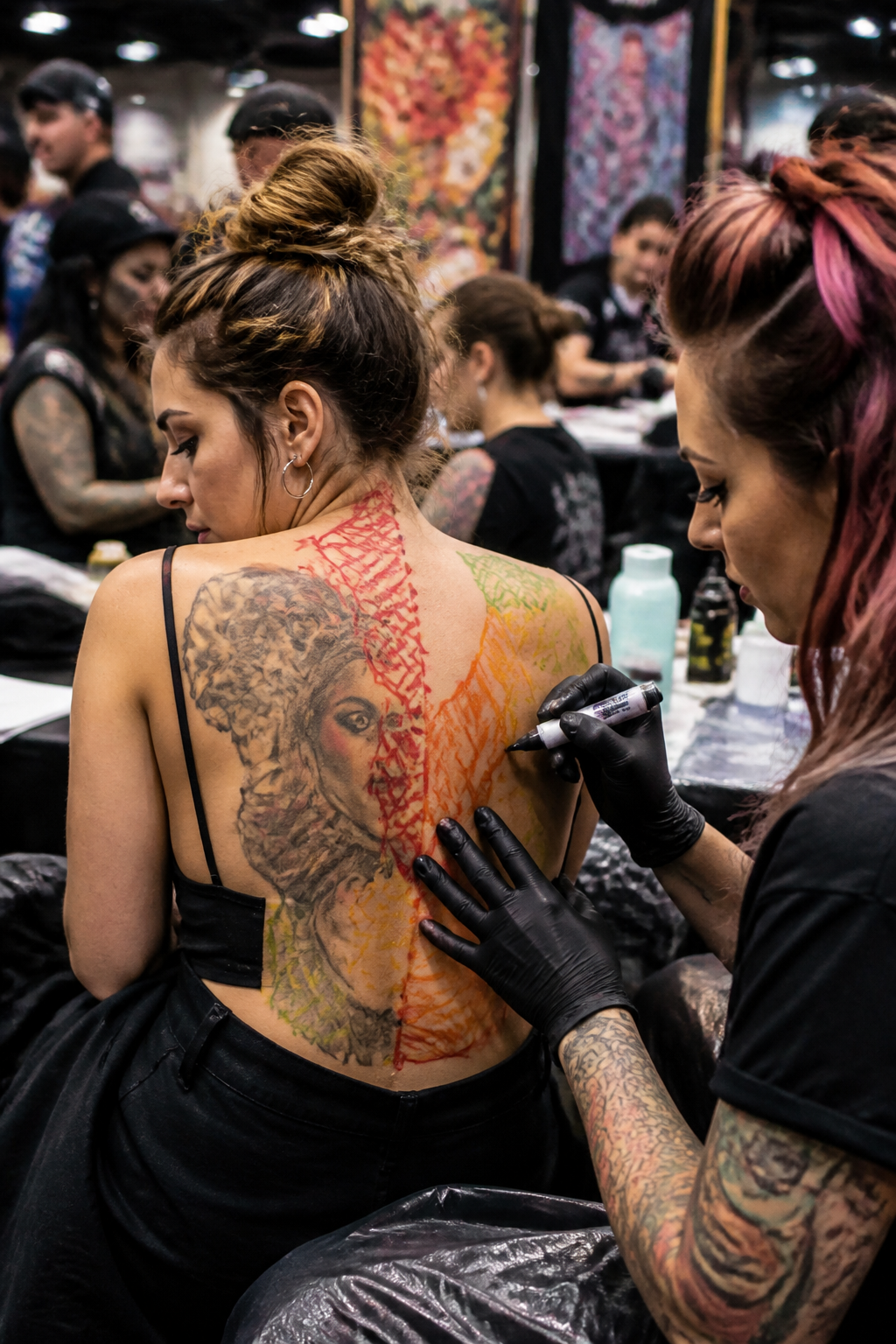
While every individual has a unique threshold, tattoo pain generally follows a map of the body's nerve density. Areas where the skin is thin or directly over bone, such as the ribs, shins, and feet, typically register the highest intensity. Conversely, fleshier spots like the outer thighs or upper arms are widely considered the least painful, making them ideal for long sessions or first-timers.
Your physical state on the day of the appointment plays a massive role in how you process the sensation. Getting a full night of sleep is the single best way to ensure your central nervous system isn't already on edge. When you are well-rested, your body is better equipped to produce natural endorphins that help dampen the sting of the needle.
Hydration and nutrition are equally critical. Dehydrated skin is less elastic and can become irritated more easily, potentially increasing the discomfort. Eat a hearty, carb-heavy meal an hour before your session to keep your blood sugar stable. Low blood sugar can lead to lightheadedness or even fainting when dealing with sustained levels of tattoo pain.
It is wise to be cautious with caffeine and stimulants before your appointment. While you might want that extra espresso to wake up, caffeine is a vasoconstrictor and can increase your heart rate, often making you feel more jittery and sensitive to every pass of the machine. It can also slightly thin the blood, leading to more weeping during the process.
Managing long sessions is a mental game as much as a physical one. Deep, rhythmic breathing helps lower your heart rate and keeps your muscles from tensing up. If you find the tattoo pain becoming overwhelming, don't be afraid to ask your artist for a short break to stretch and reset. Most professionals prefer a steady pace over a client who is struggling to stay still.
Ultimately, the discomfort is a temporary hurdle for a permanent piece of art. By preparing your body through proper rest and hydration, you can significantly mitigate the sharpest edges of the experience. Remember that communication with your artist is key to navigating the chair with confidence and ease.