The Honest Truth About Tattoo Pain: A Survival Guide
2 months ago
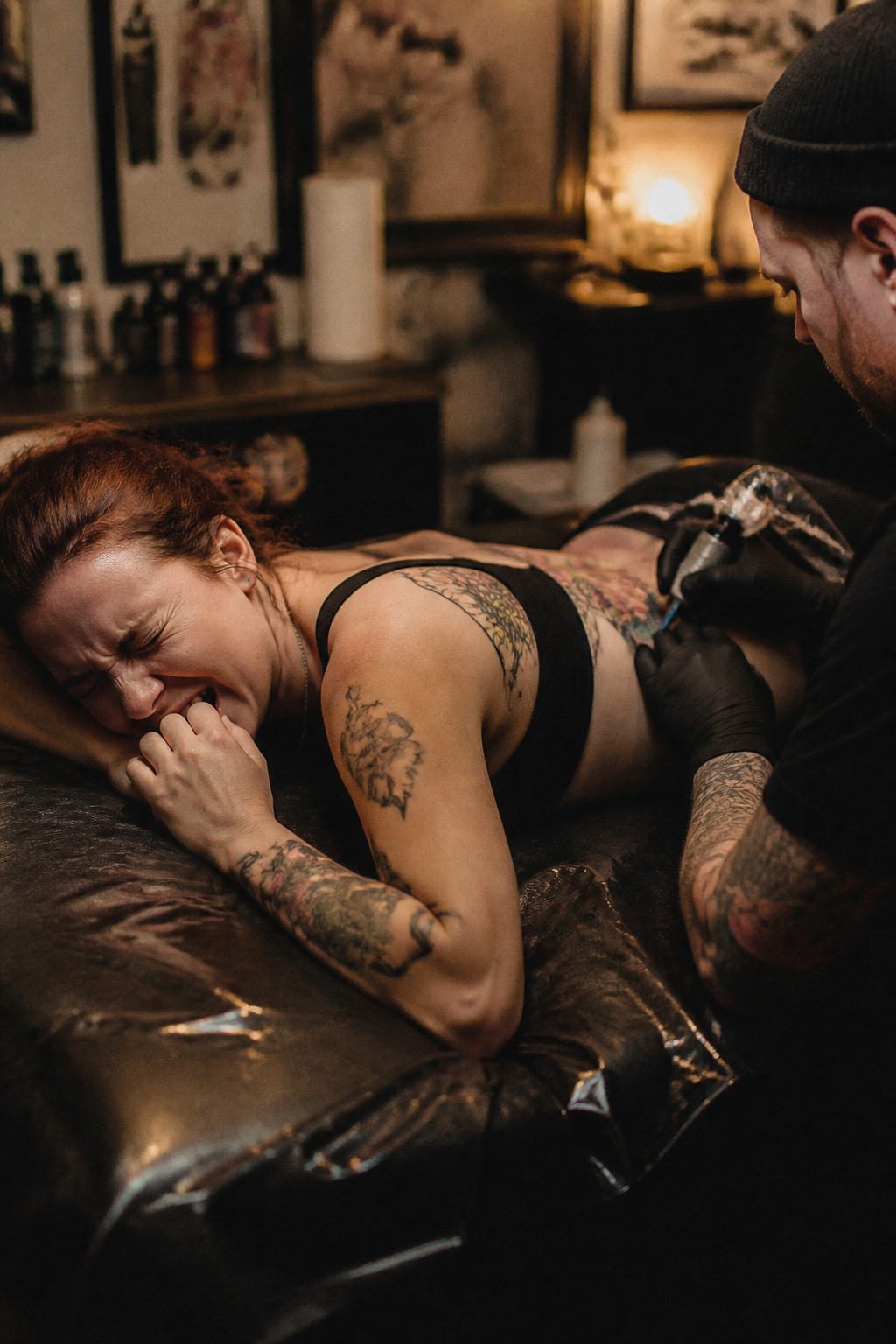
Understanding tattoo pain is a rite of passage for every collector. While everyone has a different threshold, the sensation generally shifts based on how close the needle is to the bone or nerve endings. Fleshy areas like the outer arm or thighs are often described as a mild scratch, whereas the ribs, spine, and tops of the feet are notorious for a sharper, more intense vibration.
Your physical state before sitting in the chair plays a massive role in how you process the discomfort. A full night of sleep is your best defense, as exhaustion lowers your pain tolerance and makes you more twitchy. Hydration is equally critical; well-hydrated skin takes ink more easily and tends to heal faster, reducing the overall trauma to the area during the process.
Dietary choices on the day of your appointment can make or break your session. We recommend a heavy, protein-rich meal an hour before you start to keep your blood sugar stable. Conversely, you should avoid excessive caffeine. While it might seem like a good way to wake up, caffeine is a stimulant that can increase your heart rate and make you feel more anxious, which often amplifies the sensation of the needle.
For those tackling large-scale pieces, managing the clock is key. During long sessions, don't be afraid to ask for short breaks to stretch and reset your focus. Bringing a sugary snack or a sports drink can provide a quick glucose boost if you start to feel faint or overwhelmed by the endorphin crash that often happens after the two-hour mark.
Mental preparation is the final piece of the puzzle. Deep, rhythmic breathing helps regulate your nervous system and prevents the muscle tensing that makes the experience more difficult. By controlling your breath and staying relaxed, you can transform a grueling session into a manageable milestone on your journey to getting the art you love.