
The Honest Reality of Tattoo Pain: Placement and Preparation
2 months ago
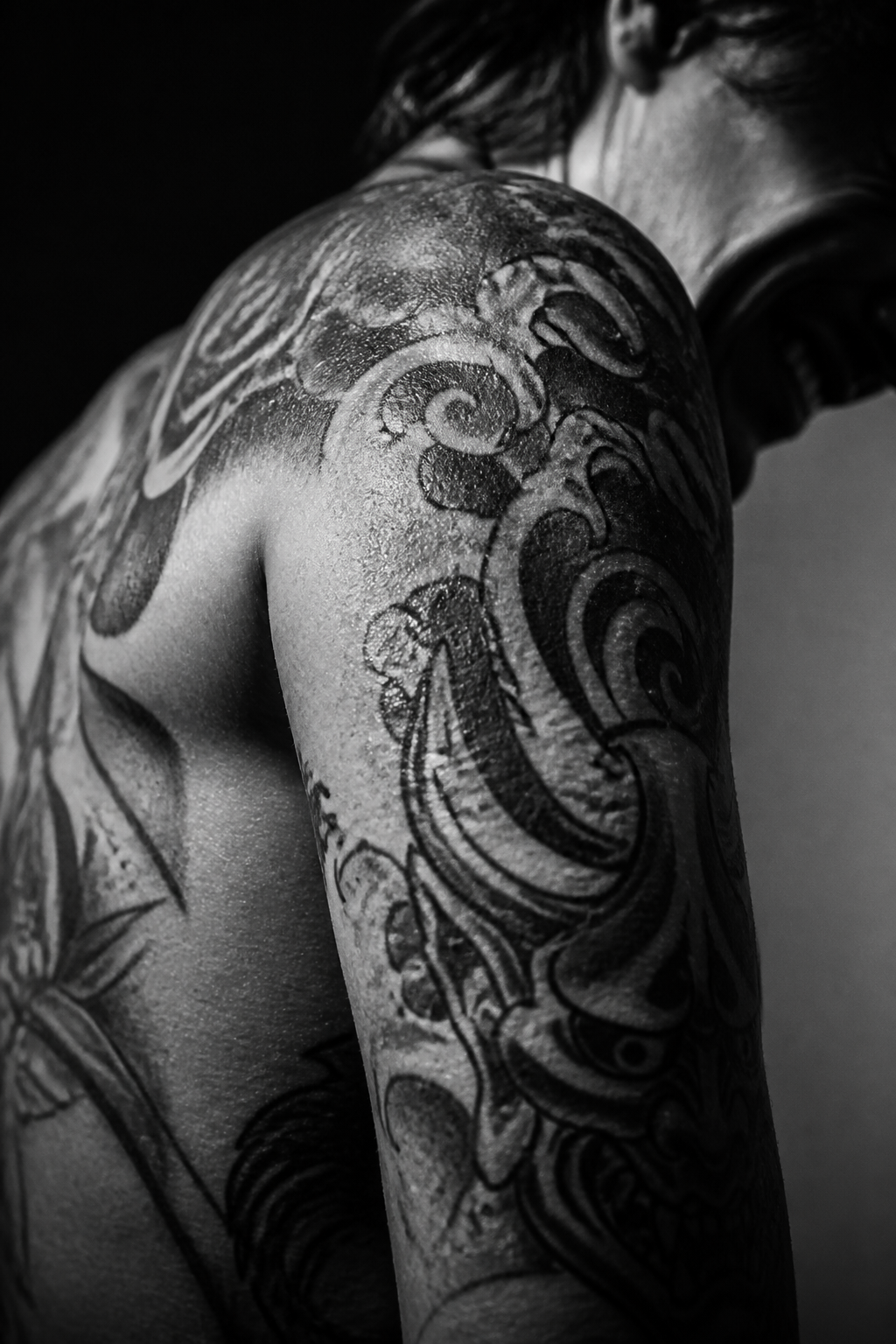
Understanding tattoo pain is the first step toward a successful session. While everyone experiences sensation differently, location is the primary factor. Areas with thin skin and proximity to bone, such as the ribs, shins, and feet, tend to register higher on the intensity scale. Conversely, fleshier spots like the outer arms or thighs are generally more manageable for those worried about their first piece.
Your physical state before entering the shop significantly influences your pain threshold. A solid night of sleep is non-negotiable; a rested nervous system can handle the constant scratching much better than a fatigued one. Skipping rest makes the process feel more abrasive and can lead to involuntary twitching, which complicates the artist’s work.
Hydration and nutrition are equally vital for managing the experience. Drinking plenty of water in the days leading up to your appointment keeps the skin supple and responsive. A hearty, protein-rich meal two hours before your session prevents blood sugar drops, which often lead to lightheadedness or increased sensitivity to the needle.
While it might be tempting to grab an extra-large coffee to stay alert, caffeine is best avoided. Stimulants can increase your heart rate and make you feel jittery, which often amplifies the sensation of the tattoo pain. Instead, focus on deep, rhythmic breathing to stay calm. If you are sitting for a long session, bring a sugary juice or a snack to maintain your energy levels during breaks.
Communication with your artist is key to a positive experience. If the sharp stinging becomes overwhelming, don't be afraid to ask for a short breather. Most professionals prefer you take five minutes to reset rather than powering through until you feel faint. Tapping into your favorite playlist or a podcast can also provide a necessary mental distraction from the physical work being done.