The Honest Breakdown: Navigating Tattoo Pain by Placement and Prep
4 days ago
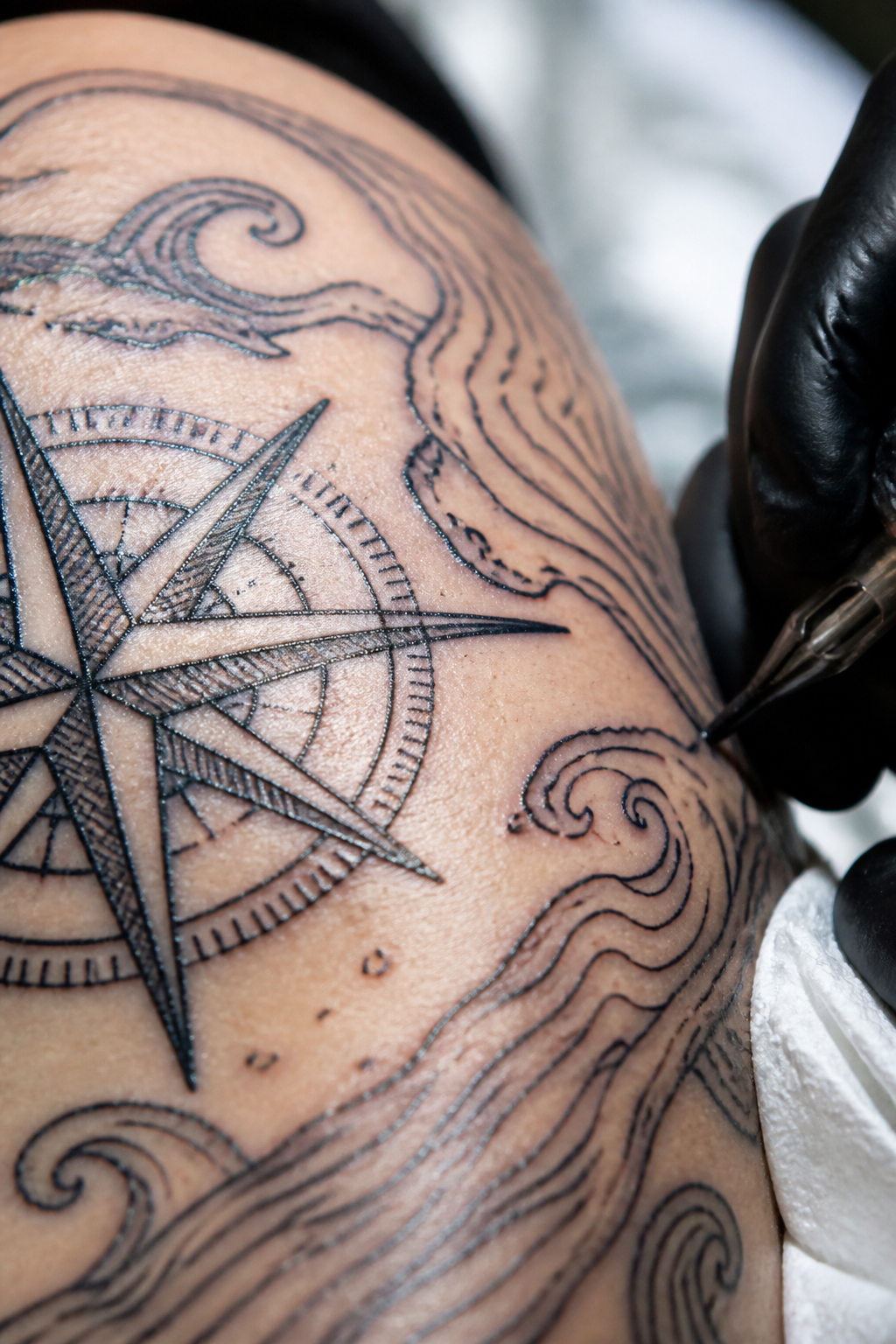
Before you commit to your next piece, it is vital to understand that tattoo pain is a subjective experience heavily influenced by where the needle meets the skin. Generally, areas with thin skin and proximity to bone, such as the ribs, shins, or elbows, register the highest on the discomfort scale. Conversely, fleshy areas like the outer arm or thighs are often the most manageable for beginners and long-session veterans alike.
Your physical state before entering the studio plays a massive role in how you process the sensation. Being well-rested is non-negotiable; sleep deprivation lowers your pain threshold and makes you more prone to twitching. Hydration is equally critical, as well-hydrated skin is more supple and accepts ink more readily, potentially shortening the time you spend under the needle.
Dietary choices on the day of your appointment can make or break your stamina. While a hearty meal is essential to keep your blood sugar stable, you should avoid excessive caffeine. Caffeine is a stimulant that can increase your heart rate and heighten nervous system sensitivity, often making the stinging sensation feel more acute than it actually is.
Managing long sessions requires a strategy focused on breathing and mental endurance. Deep, rhythmic breathing helps oxygenate the blood and keeps the body from entering a 'fight or flight' state. If you are sitting for more than four hours, don't be afraid to ask for short breaks to stretch, though keep them brief to prevent the area from swelling too much between passes.
Aftercare starts the moment the needle stops, but your preparation determines the quality of the experience. By respecting your body’s limits and arriving prepared, you turn a test of endurance into a manageable part of the creative process. Remember, the sensation is temporary, but the art is a permanent reflection of your commitment.