The Fresh Ink Survival Manual: Essential Steps for Tattoo aftercare
3 days ago
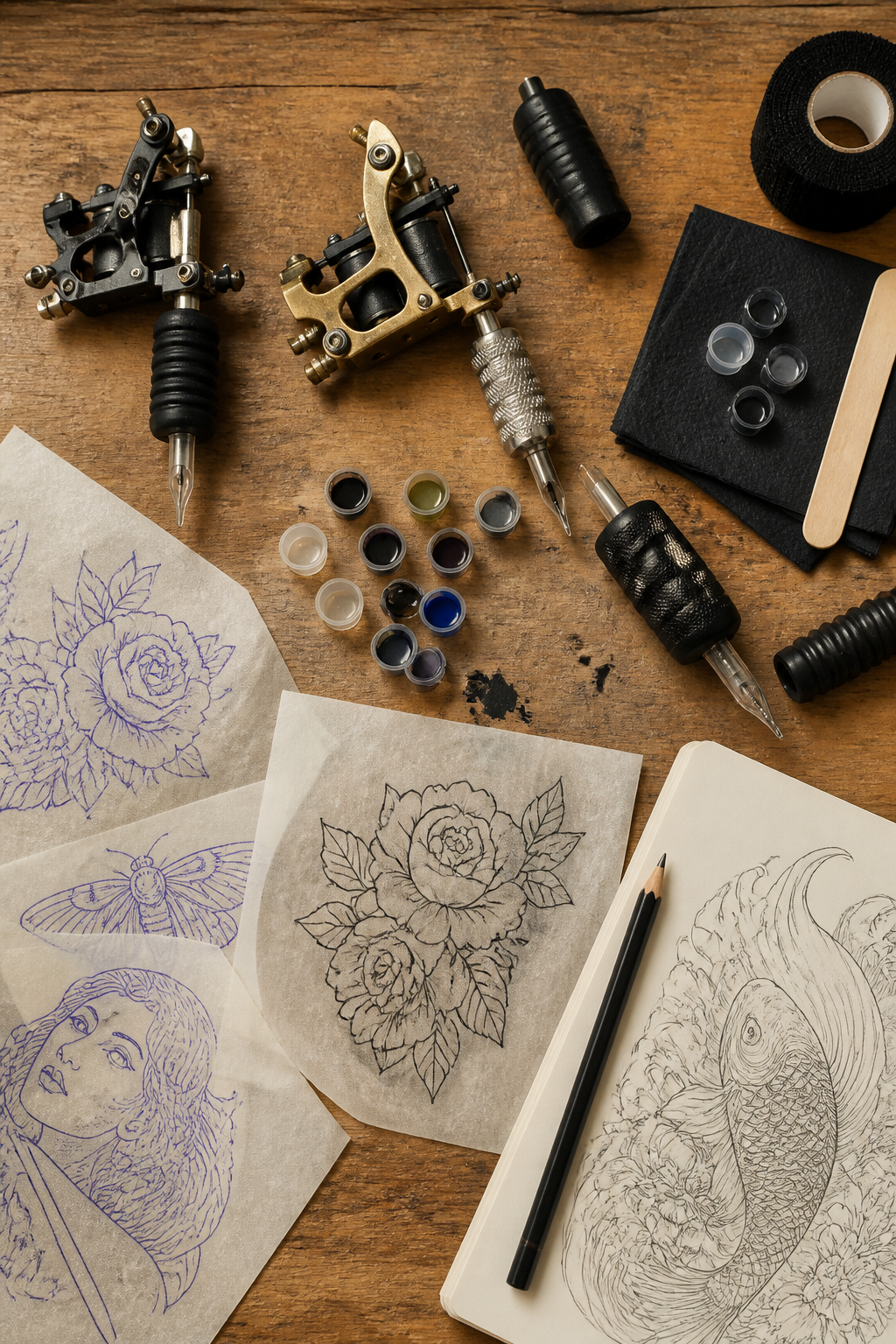
The first 48 hours are critical for the longevity of your ink. Once your artist applies the initial bandage or medical-grade adhesive film, leave it alone for the duration they recommend. When it is time to remove the cover, do so with clean hands under lukewarm water. This initial phase of tattoo aftercare focuses on gently removing excess plasma and ink without scrubbing the sensitive site.
Washing is the foundation of a healthy heal. Use a fragrance-free, antimicrobial liquid soap and your fingertips to cleanse the area twice a day. Avoid using washcloths or loofahs, as these are too abrasive and can harbor bacteria. Pat the area dry with a fresh paper towel rather than a bath towel to minimize the risk of lint irritation or infection.
Moisturizing should be approached with a 'less is more' philosophy. Apply a very thin layer of specialized ointment or unscented lotion only after the tattoo has dried completely. Over-moisturizing can suffocate the skin and lead to clogged pores or bubbling. The goal is to keep the skin supple enough to prevent cracking while allowing the wound to breathe naturally.
Lifestyle adjustments are non-negotiable during the three-week healing timeline. You must strictly avoid swimming in pools, hot tubs, or natural bodies of water, as these are breeding grounds for bacteria and can lead to severe infections. Additionally, keep your new piece out of direct sunlight. UV rays are the primary cause of premature fading and can painfully burn the healing tissue.
As the days progress, you will likely experience peeling and itching similar to a sunburn. Resist the urge to pick or scratch at the scabs, as this can pull the pigment out of the dermis and leave permanent gaps in the design. If the itching becomes unbearable, a light tap or another thin layer of lotion can provide temporary relief without damaging the art.
Most tattoos heal smoothly, but you should know when to call your artist or a professional. While some redness and swelling are normal for the first few days, look out for spreading rashes, foul odors, or extreme heat radiating from the site. If you notice these signs, or if the pain intensifies after the third day, reach out to your studio immediately to ensure your recovery stays on track.