The Fluid Aesthetic of a Watercolor Tattoo Styles Guide
11 days ago
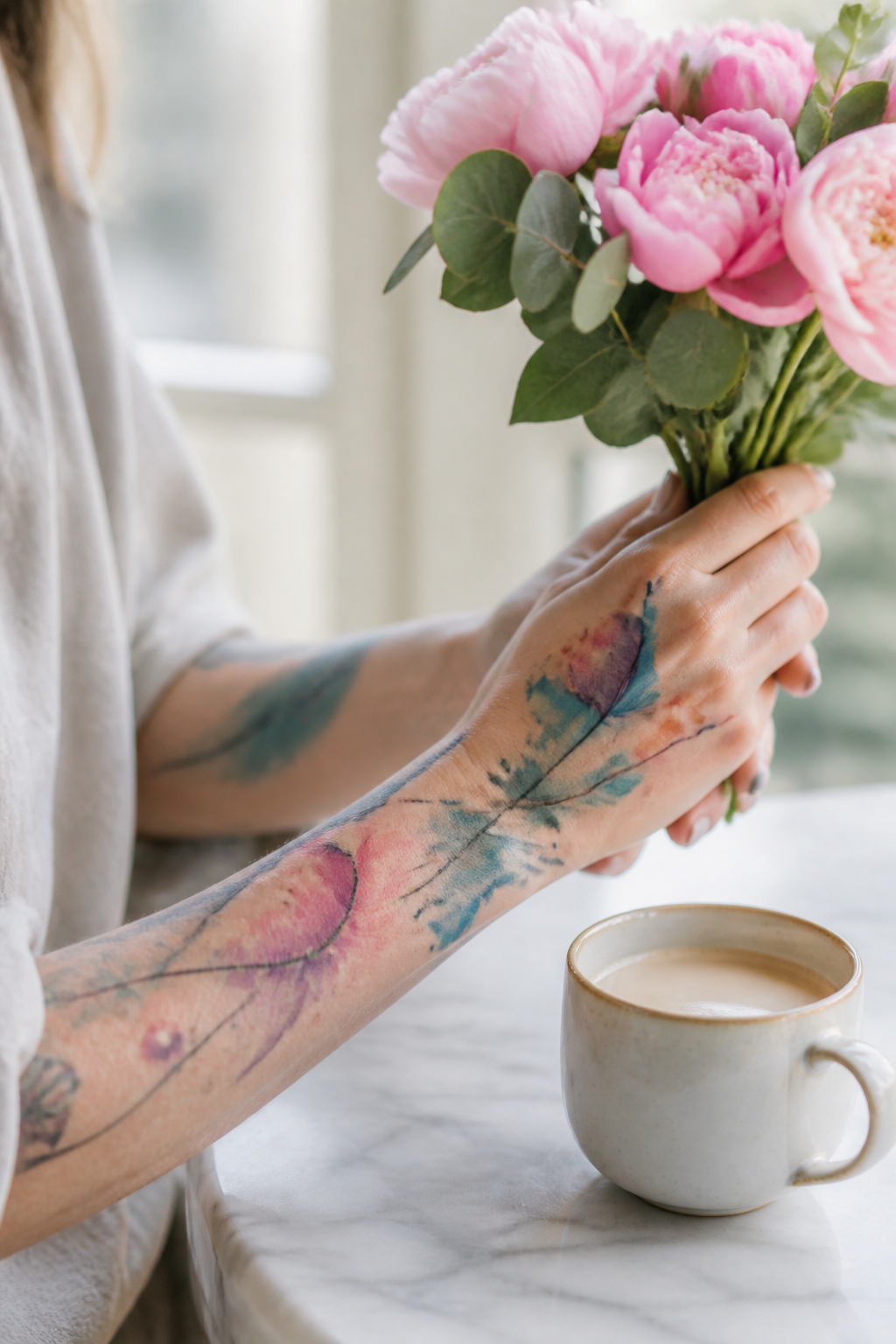
Watercolor tattooing stands out in any tattoo styles guide as a radical departure from the heavy outlines of traditional work. Characterized by soft gradients, splatters, and a lack of restrictive black borders, this style mimics the look of a pigment-and-water painting on paper. It relies on the subtle blending of hues to create depth and movement, making the skin look like a living canvas for a fine art masterpiece.
Technically, the style is defined by its use of 'color packing' and transparency. Artists like Ondrash and Amanda Wachob helped pioneer this movement by applying ink in a way that suggests fluid motion. Instead of solid blocks of color, you will see 'runs' and 'drips' that appear to defy the logic of a needle, creating an ethereal quality that is highly sought after by collectors looking for something softer than traditional styles.
One of the most recognizable features of this aesthetic is the use of white space and negative skin tones. By leaving parts of the skin untouched, the artist allows the vibrant pinks, blues, and purples to pop, simulating the way light reflects off a wet painting. This technique requires an expert understanding of color theory to ensure the design remains legible and vibrant as the years pass.
Critics often debate the longevity of these pieces due to the absence of thick black outlines, which traditionally hold the pigment in place. However, modern artists have adapted by incorporating 'hidden' skeletal structures—thin, light-colored lines or strategic black accents—that maintain the integrity of the design while preserving the chaotic beauty of the watercolor effect.
Choosing this style means embracing spontaneity. While the artist may have a sketch, the final application often includes freehand 'splashes' that respond to the natural curves of the body. It is a collaborative process between the movement of the human form and the saturation of the ink, resulting in a piece that feels organic rather than manufactured.
Whether you are looking for a subtle wash of pastel or a bold explosion of primary colors, watercolor remains one of the most expressive entries in the modern tattoo styles guide. It offers a unique way to celebrate personal stories through abstract forms and vivid transitions, proving that ink doesn't always need a border to make a lasting impression.