
The Brutal Truth About Tattoo Pain: A Placement Map
1 month ago
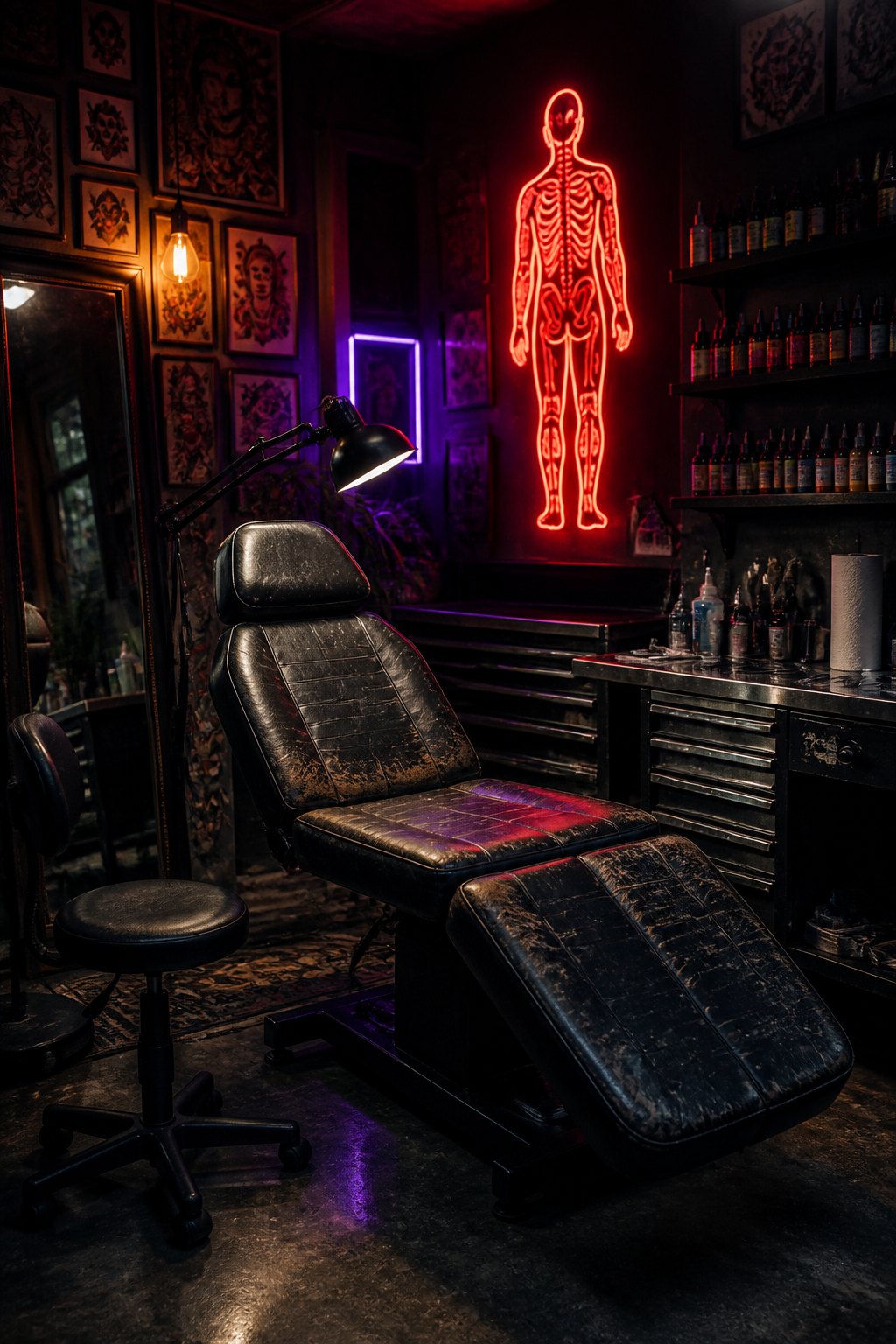
Understanding tattoo pain is the first step toward a successful session. While everyone has a different threshold, certain areas are universally spicy. Fleshy parts like the outer arm or thigh are generally considered the most tolerable, making them perfect for beginners. Conversely, areas where the skin is thin and sits directly over bone—such as the ribs, shins, and feet—tend to rank highest on the discomfort scale.
Your physical state before sitting in the chair plays a massive role in how you handle the needle. Going into a session sleep-deprived makes your nervous system more reactive, meaning you will likely feel every pass more intensely. Aim for at least eight hours of rest to ensure your body is primed to release the necessary endorphins to dull the sensation.
Hydration and nutrition are your best friends when managing a long sitting. Dehydrated skin is less elastic and more difficult to ink, which can lead to longer sessions and more irritation. Eat a hearty meal rich in complex carbohydrates and proteins about two hours before your appointment to maintain stable blood sugar levels and prevent fainting.
While you might want a boost to get through the day, avoid excessive caffeine. Stimulants can increase your heart rate and make you feel jittery, which often leads to heightened anxiety and a lower tolerance for the scratching sensation. Stick to water or juice, and save the double espresso for after you leave the shop.
During the session, focus on controlled breathing. Tensing up your muscles actually makes the process hurt more. Deep, rhythmic breaths help signal to your brain that you are safe, allowing you to relax into the rhythm of the machine. If the session is slated for several hours, don't be afraid to ask your artist for a short break to stretch and reset.
Managing the aftermath is just as important as the chair time. Once the adrenaline wears off, you may experience a dull ache or swelling. Keeping your new art clean and following professional aftercare instructions will minimize irritation, ensuring that the temporary discomfort results in a piece of art you are proud to wear forever.