
Style Foundations: A Contemporary Guide to Tattoos for men
10 days ago
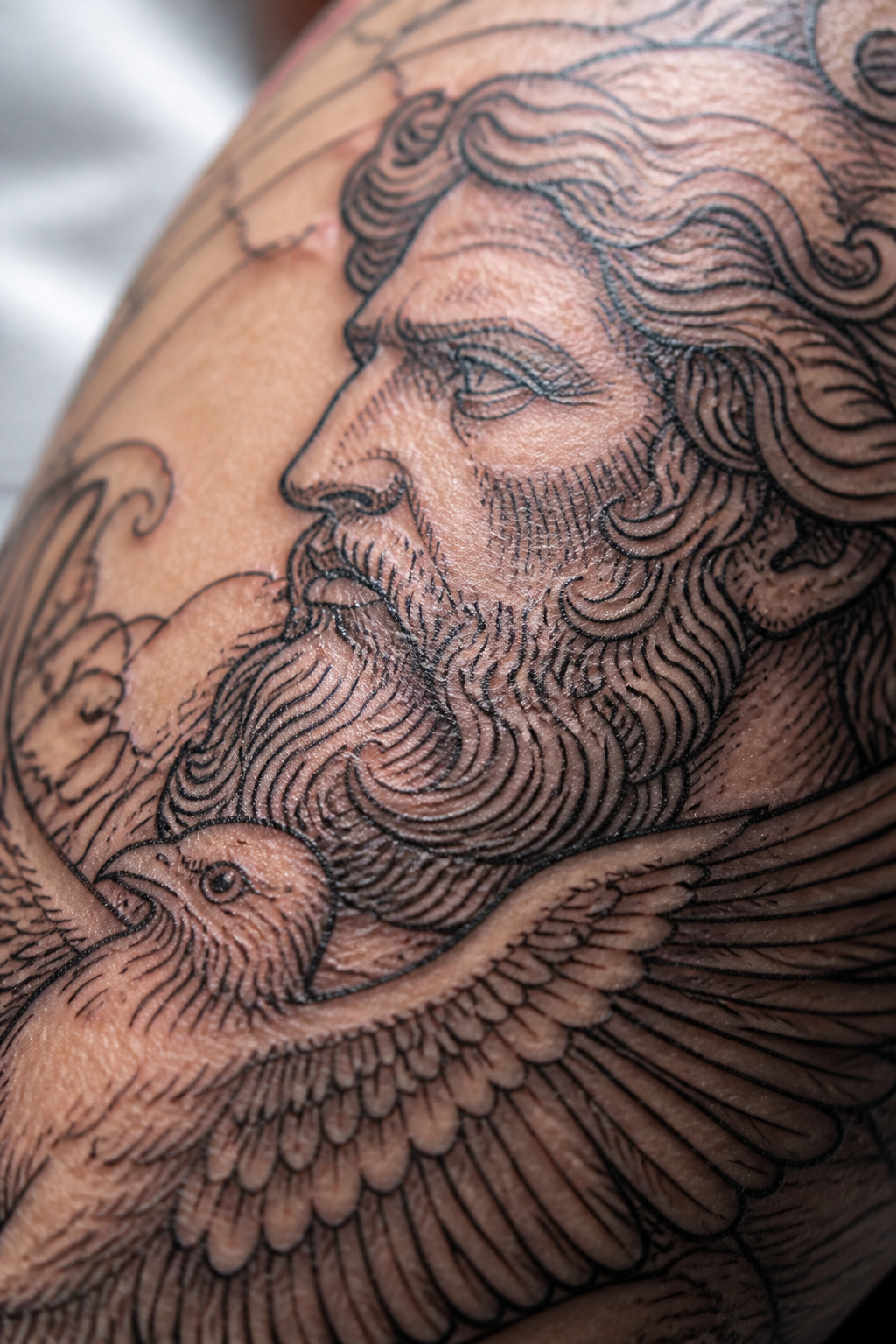
Selecting the right tattoos for men involves more than just picking a cool image; it requires an understanding of how art flows with the human form. For those looking to make a massive impact, sleeve composition is the gold standard. A well-planned sleeve uses the natural curves of the deltoid and forearm to create a cohesive narrative, whether you are opting for the intricate storytelling of Japanese irezumi or the bold, illustrative lines of neo-traditionalism.
Chest pieces offer a different kind of canvas, providing a flat, expansive space that is ideal for symmetrical designs or high-contrast blackwork. This placement is particularly popular because it can be easily concealed in professional settings while offering a powerful reveal. When planning a chest piece, consider how the design interacts with the collarbone and sternum to enhance the natural broadness of the torso.
Placement isn't just about aesthetics; it is also about managing the physical experience. Larger projects like full back pieces or rib work occupy high-sensitivity zones where pain management becomes a factor. Understanding your own threshold is key when committing to long sessions. Meanwhile, high-visibility areas like the forearms or calves are generally more manageable for beginners and offer excellent durability for detailed black-and-grey work.
Healing is the final, critical step in the process of getting tattoos for men. Larger, saturated pieces like heavy blackwork require diligent moisture control and protection from the sun to prevent fading. A disciplined aftercare routine ensures that the sharp lines of a neo-traditional piece or the soft gradients of a realism portrait remain crisp for decades. By matching the style to your body type and prioritizing the recovery phase, you ensure your ink becomes a permanent extension of your personal style.