
Style and Sophistication: A Guide to Popular Tattoos for Women
2 months ago
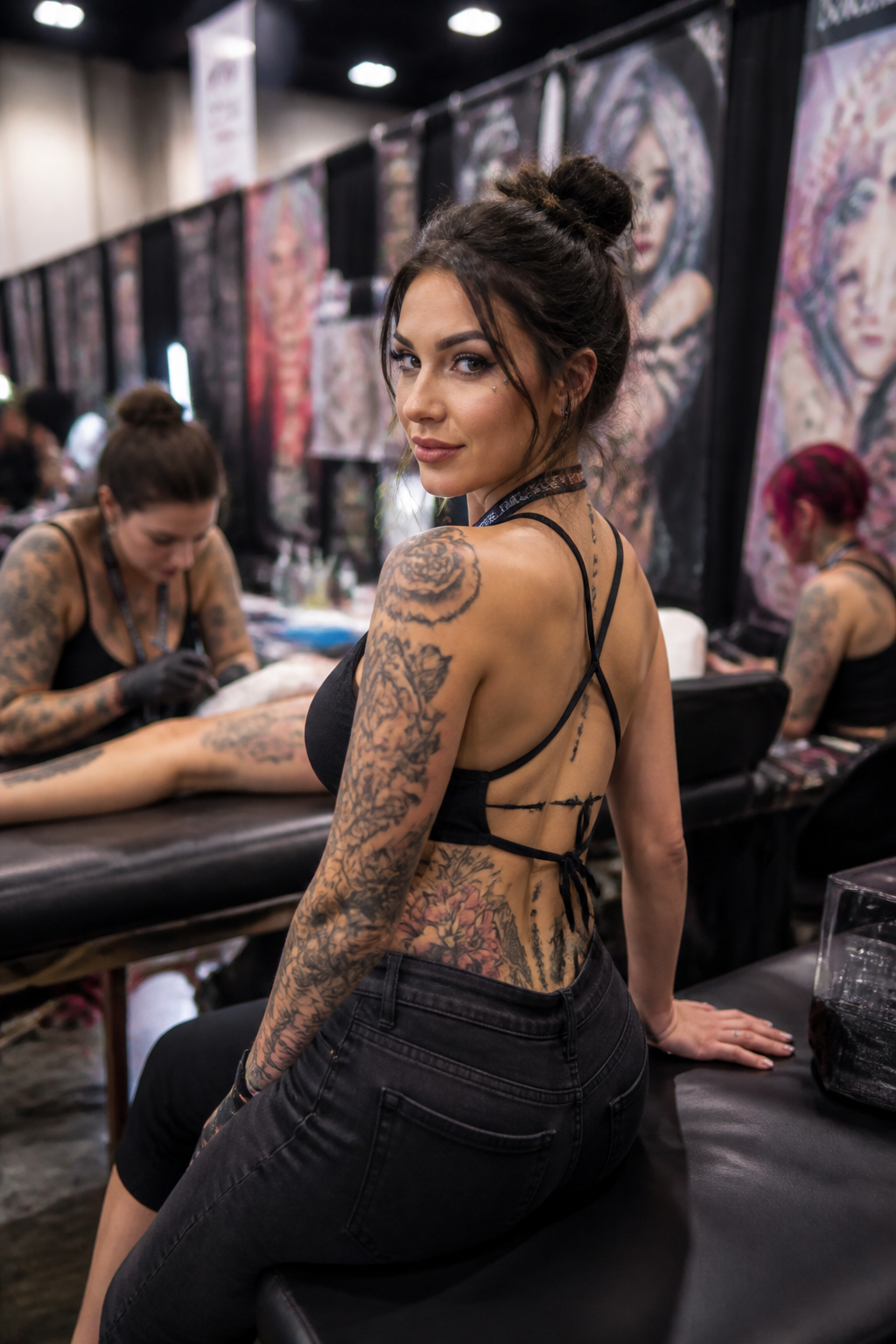
Modern body art for women has evolved into a sophisticated blend of high fashion and personal expression. Fineline florals remain at the forefront of this movement, offering a delicate aesthetic that mimics a botanical sketch. These pieces often feature soft peonies or minimalist wildflowers, providing a timeless look that complements the body's natural curves without overwhelming the skin.
Placement is a key consideration when planning tattoos for women, with spine pieces and ornamental under-bust designs gaining massive popularity. The spine offers a long, vertical canvas perfect for elegant script or descending petals, though collectors should be prepared for higher sensitivity in this bony area. For those seeking lower pain levels, the outer thigh or forearm provides a flatter, more muscular surface that handles ink well and heals with ease.
Watercolor and script styles continue to trend for their fluid, artistic quality. Watercolor designs ditch hard outlines for soft washes of pigment that resemble a painting, while fine-script lettering allows for deeply personal quotes or names in a chic, handwritten font. Both styles require a skilled hand to ensure longevity, especially since lighter pigments can fade more quickly than traditional black ink.
When briefing your artist, come prepared with a mood board that captures the specific line weight and shading style you prefer. Clear communication about the size and exact placement will help your artist create a custom layout that flows with your anatomy. Be sure to ask about their experience with delicate detail, as mastery over needle depth is crucial for those intricate fineline results.
Following the session, proper aftercare is the deciding factor in how vibrant your art remains. Transitioning from a medical-grade adhesive bandage to a fragrance-free moisturizer after the first few days ensures the skin stays hydrated without clogging pores. Avoiding direct sunlight and submerged water for the first two weeks is non-negotiable for preserving the crisp edges and rich tones of your new piece.