
Sticker-Sleeve Aesthetics: The 2026 Shift in Tattoo trends
2 months ago
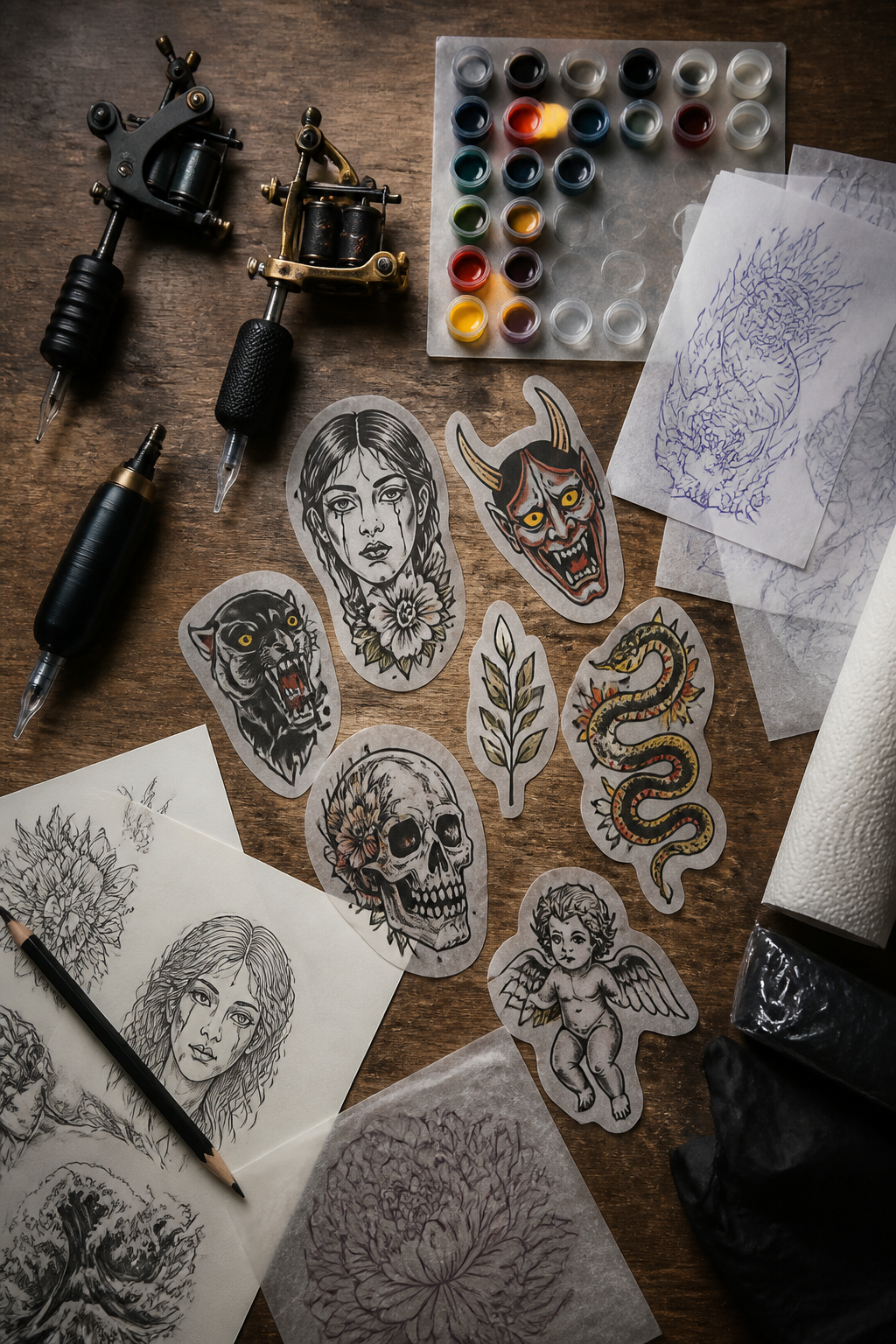
The landscape of modern ink is shifting away from cohesive, single-theme sleeves toward a more curated, archival approach known as sticker-sleeves. This movement prioritizes individual, disparate pieces of art layered across the limbs without the traditional background shading or 'filler' dots. It celebrates the collector’s journey, allowing for a diverse range of styles to coexist on a single patch of skin like a personal scrapbook.
This aesthetic began gaining momentum in the underground scenes of East London and Brooklyn, where younger collectors sought to move away from the rigid structures of Japanese or American Traditional layouts. Instead of planning a full arm for years, enthusiasts are opting for spontaneous, high-quality flash that captures a specific moment in time. The result is a high-contrast look that highlights the skin as a clean canvas between every distinct piece.
Leading the charge are artists who specialize in high-contrast illustrative work, such as the bold, graphic pops of London-based creators who treat the arm like a gallery wall. By focusing on sharp outlines and vibrant, isolated subjects, these artists help clients build a collection that feels curated rather than cluttered. The trend is less about a unified story and more about the quality of the individual icons chosen.
Social media has further accelerated this shift, as the 'sticker-sleeve' look translates exceptionally well to photography. The clear space between tattoos provides a visual breather that makes each individual design stand out, a sharp departure from the dense, saturated sleeves of the early 2010s. It reflects a broader cultural move toward modularity and personal storytelling through eclectic pieces.
As we look toward the 2026 season, expect to see this style evolve with even more technical precision. Collectors are now mixing hyperrealism portraits with simplistic 2D graphics, leaning into the 'organized chaos' that defines this movement. It is no longer about the sleeve as a whole, but about the unique stories told by each separate, beautifully executed mark.