
Sculpting the Upper Leg: A Deep Dive into Thigh Tattoo placement
4 days ago
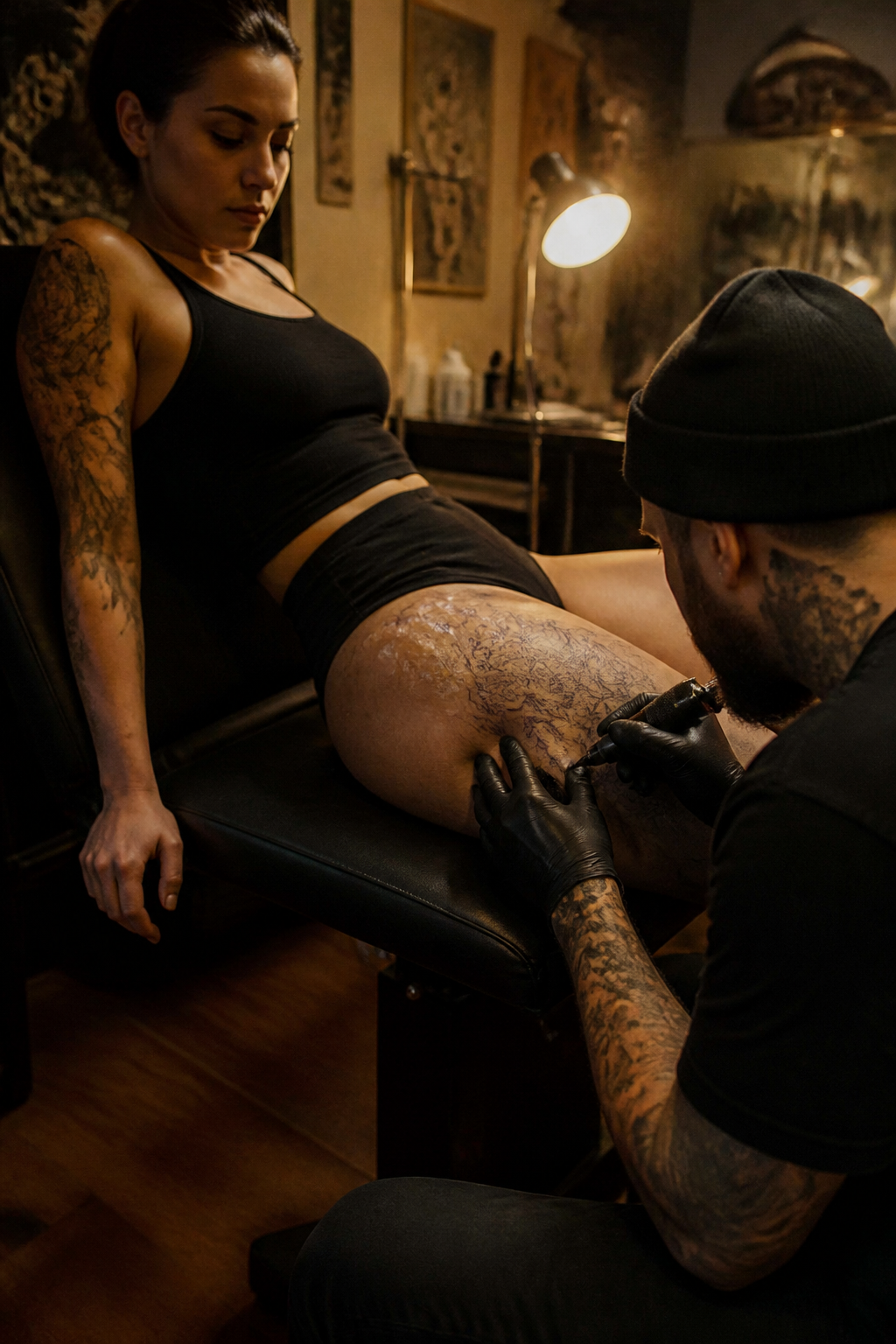
The thigh offers one of the most versatile canvases on the human body, providing a massive surface area that remains relatively hidden during daily life. When considering thigh tattoo placement, you are working with a site that allows for incredible detail and scale, from sweeping illustrative florals to bold neo-traditional portraiture. Its natural insulation makes it a popular choice for those looking to balance high-impact art with a manageable pain threshold.
Technically, the thigh is a dream for artists because the skin is generally thick and holds ink exceptionally well over time. Unlike extremities that face constant sun exposure or joints that experience high friction, this area is typically protected by clothing. This means your colors stay vibrant and your lines remain crisp far longer than they might on a wrist or an ankle. It is a strategic long-term investment for any collector.
Designing for this area requires an understanding of the leg's natural musculature. A great design should follow the curve of the quadriceps to avoid looking stagnant or flat. Vertical compositions often work best, utilizing the length of the femur to create a sense of movement. If you are planning a wrap-around piece, ensure the focal points are positioned on the outer lateral side to prevent visual distortion when you are standing still.
Pain levels in this zone are generally moderate, especially on the outer thigh where the muscle is dense. However, as the needle moves toward the inner thigh or the sensitive area near the groin, the intensity increases significantly. Understanding these zones within your chosen tattoo placement will help you prepare mentally for the session length and the vibration of the machine.
Aftercare for a thigh piece requires a bit of wardrobe planning. Because the area is prone to friction from walking, wearing loose-fitting, breathable fabrics like cotton is essential during the first two weeks of healing. Avoiding tight denim or synthetic leggings will prevent irritation and ensure the scabbing process remains undisturbed, allowing the pigment to settle perfectly into the dermis.