
Sailor Roots and Salty Ink: The Nautical Origins of Tattoo Culture
18 days ago
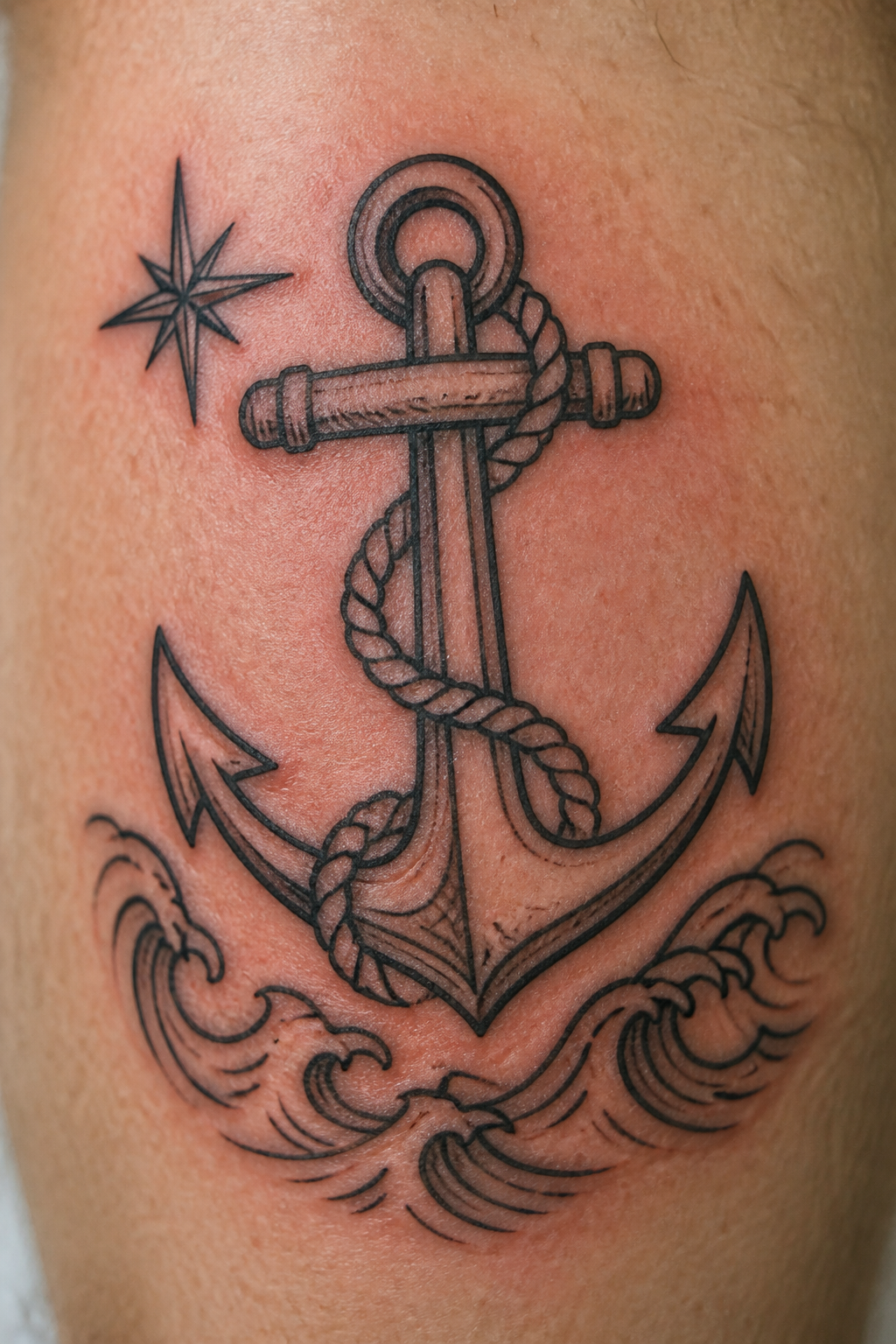
Long before studios lined every city street, the foundation of tattoo culture was being built on the high seas. Sailors in the 18th and 19th centuries utilized ink as a way to document their travels, marking their bodies with symbols of protection, superstition, and achievement. From the equator crossings to the long voyages across the Pacific, each mark served as a permanent passport of a life lived on the edge.
Traditional motifs like the swallow, the pig, and the rooster weren't just decorative choices. They were functional talismans. A swallow signaled that a sailor had traveled 5,000 nautical miles, while a pig and rooster tattooed on the feet were believed to prevent drowning during shipwrecks. These early rituals created a visual language that remains the backbone of the industry today.
This specific era of tattooing introduced the 'Old School' aesthetic characterized by heavy black outlines and a limited primary color palette. The necessity for speed and durability in harsh maritime environments dictated the style. Because ink had to be applied quickly and last a lifetime against saltwater and sun, the bold, simplified designs became the gold standard for quality and longevity.
As these men returned to port, they brought their artwork into the mainstream, influencing the very first professional shops in coastal cities. This cross-pollination between naval life and urban society helped transition tattooing from a niche maritime practice into a global phenomenon. It was the first true instance of a subculture defining the aesthetics of the masses.
Today, we see these nautical roots everywhere, from fashion runways to high-end galleries. The reverence for the craft that started in cramped ship cabins continues to inspire new generations of artists. While the tools have evolved from primitive needles to precision machines, the spirit of storytelling through skin remains unchanged.
Understanding these origins is vital for anyone participating in tattoo culture today. It reminds us that every piece of ink is part of a larger historical narrative, connecting modern enthusiasts to the brave voyagers who first turned their bodies into living maps of their adventures.