
Sailor Jerry and the High-Seas Roots of Modern Tattoo Culture
19 days ago
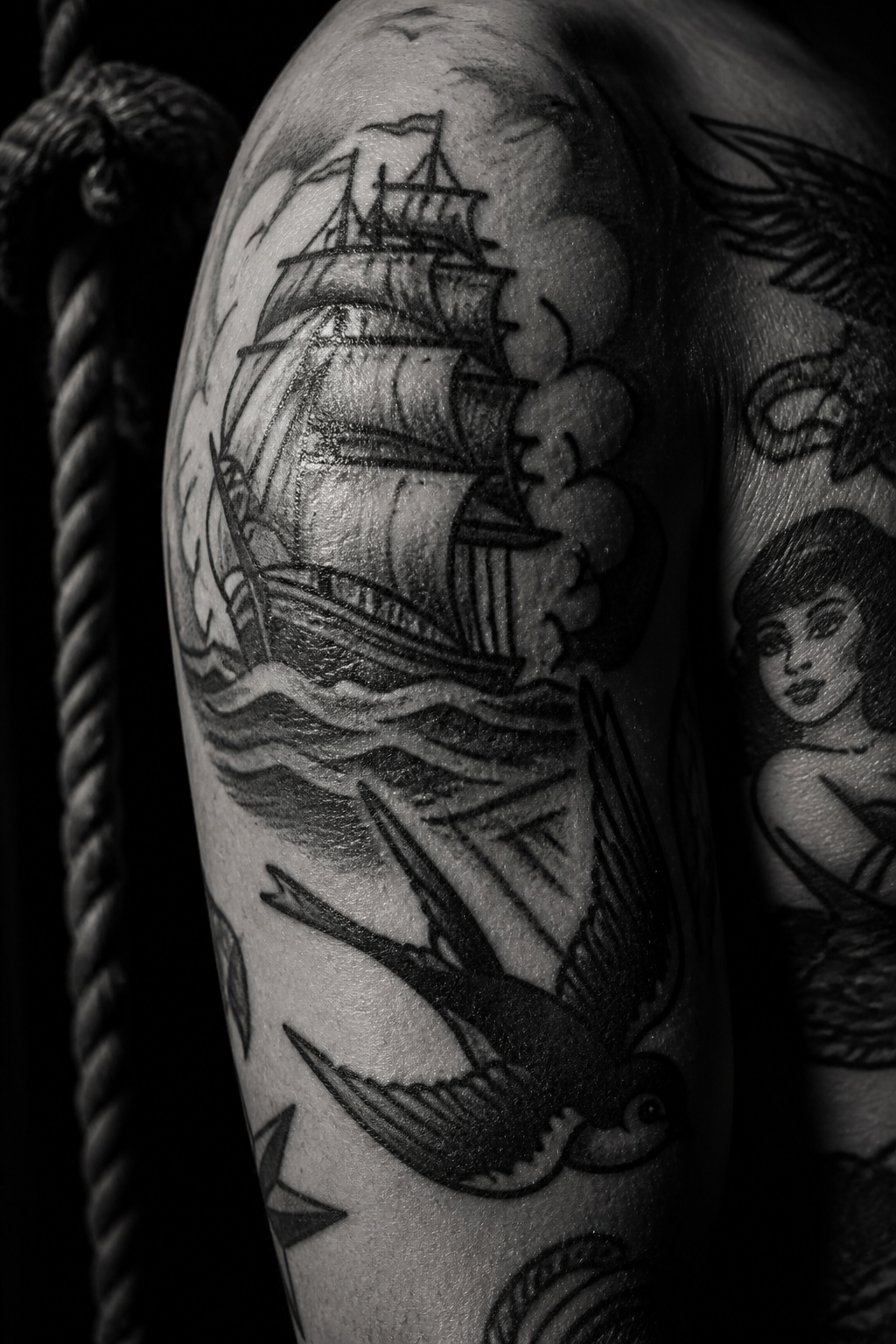
Long before studios were bright, sterile boutiques, the heart of tattoo culture was found in the salt-crusted ports of the Pacific. Sailors returning from long voyages were the original ambassadors of ink, wearing their stories in bold, black outlines and primary colors. These designs weren't just decorative; they were a visual language that signaled status, experience, and a defiance of mainstream societal norms.
Norman 'Sailor Jerry' Collins remains the most influential figure from this era, bridging the gap between Eastern techniques and Western grit. His shop in Honolulu became the epicenter of a movement where military personnel and travelers sought out permanent souvenirs. This period established the aesthetic foundations of the American Traditional style, characterized by symbols like swallows, nautical stars, and pin-up girls.
The durability of these designs is why they remain a staple in tattoo culture today. The philosophy of 'bold will hold' emerged from the necessity of tattoos surviving decades at sea under harsh sunlight and saltwater. This pragmatic approach to artistry ensured that the ink would remain legible even as the skin aged, prioritizing longevity over delicate detail.
Beyond the aesthetic, the sailor heritage introduced a sense of ritual and camaraderie to the craft. Getting inked was a rite of passage, a way to mark milestones such as crossing the equator or surviving a shipwreck. This sense of belonging and shared history continues to influence how collectors view their pieces—not just as art, but as badges of personal resilience.
As we look at the contemporary scene, it is impossible to ignore these nautical roots. The icons created on the docks of the mid-20th century have been reimagined by thousands of artists, yet the core spirit remains unchanged. The grit and honesty of these early pieces provide a grounding force in an ever-evolving industry, reminding us where the spark began.
Understanding this history allows enthusiasts to appreciate the depth behind the needle. When you see a classic anchor or a clipper ship today, you are looking at a direct line to the pioneers who built the infrastructure of the scene. It is a testament to the enduring power of ink that these sea-faring traditions still define the very soul of the community.