
Sailor Heritage: The Maritime Roots of Modern Tattoo Culture
2 months ago
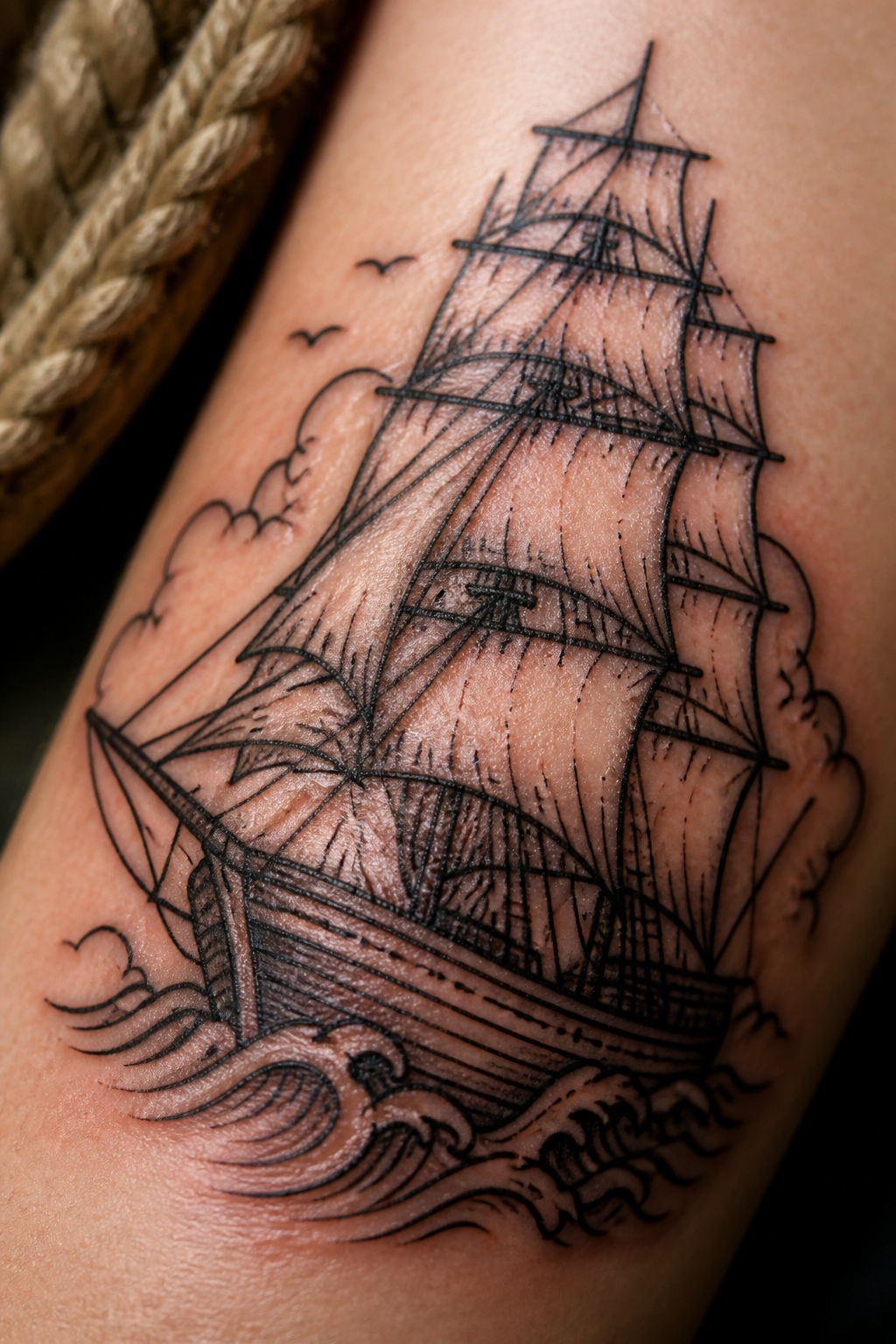
Long before the bright lights of modern luxury studios, the seeds of tattoo culture were sown on the rolling decks of merchant vessels and naval warships. For centuries, sailors used ink as a permanent diary, marking their bodies with symbols of distance traveled, hardships endured, and the hope of returning to a distant shore. These maritime pioneers transformed the act of tattooing from a niche tribal practice into a recognizable subculture that defined a generation of adventurers.
Life at sea was fraught with danger, making every tattoo a badge of survival. Crossing the equator or surviving a shipwreck wasn't just a memory; it was etched into the skin. This early tattoo culture focused on bold, legible designs that could withstand the elements, using limited pigments that eventually became the primary colors of the American Traditional style. The necessity for durability birthed an aesthetic that remains the gold standard for many collectors today.
From the bustling ports of Honolulu to the gritty docks of London, waterfront parlors became the first commercial hubs for the craft. These shops were melting pots where sailors from different nations exchanged techniques and motifs. This cross-pollination of ideas is what truly solidified tattoo culture as a global phenomenon, bridging the gap between isolated seafaring traditions and the urban mainstream.
Symbols like the nautical star for navigation or the pig and rooster for luck were more than just decoration; they were a communal language. This shared iconography provided a sense of belonging to men who spent years away from home. In these dimly lit port shops, the concept of the 'flash' sheet was born, allowing artists to quickly cater to crews who only had a few hours of shore leave before their next voyage.
Today, the influence of these maritime roots is inescapable. Even as technology and techniques evolve, the core values of community and storytelling remain at the heart of the scene. Modern enthusiasts still gravitate toward the bold lines and clear messaging that were perfected on the high seas, honoring a legacy that spans centuries of nautical history.
To understand modern tattoo culture is to respect the sailors who carried these traditions across the oceans. By wearing these timeless motifs, current collectors keep the spirit of the voyage alive. The anchor, the compass, and the clipper ship continue to sail through time, proving that the most enduring trends are those forged in salt and grit.