
Sailor Grit: How Maritime Heritage Shaped Modern Tattoo culture
7 days ago
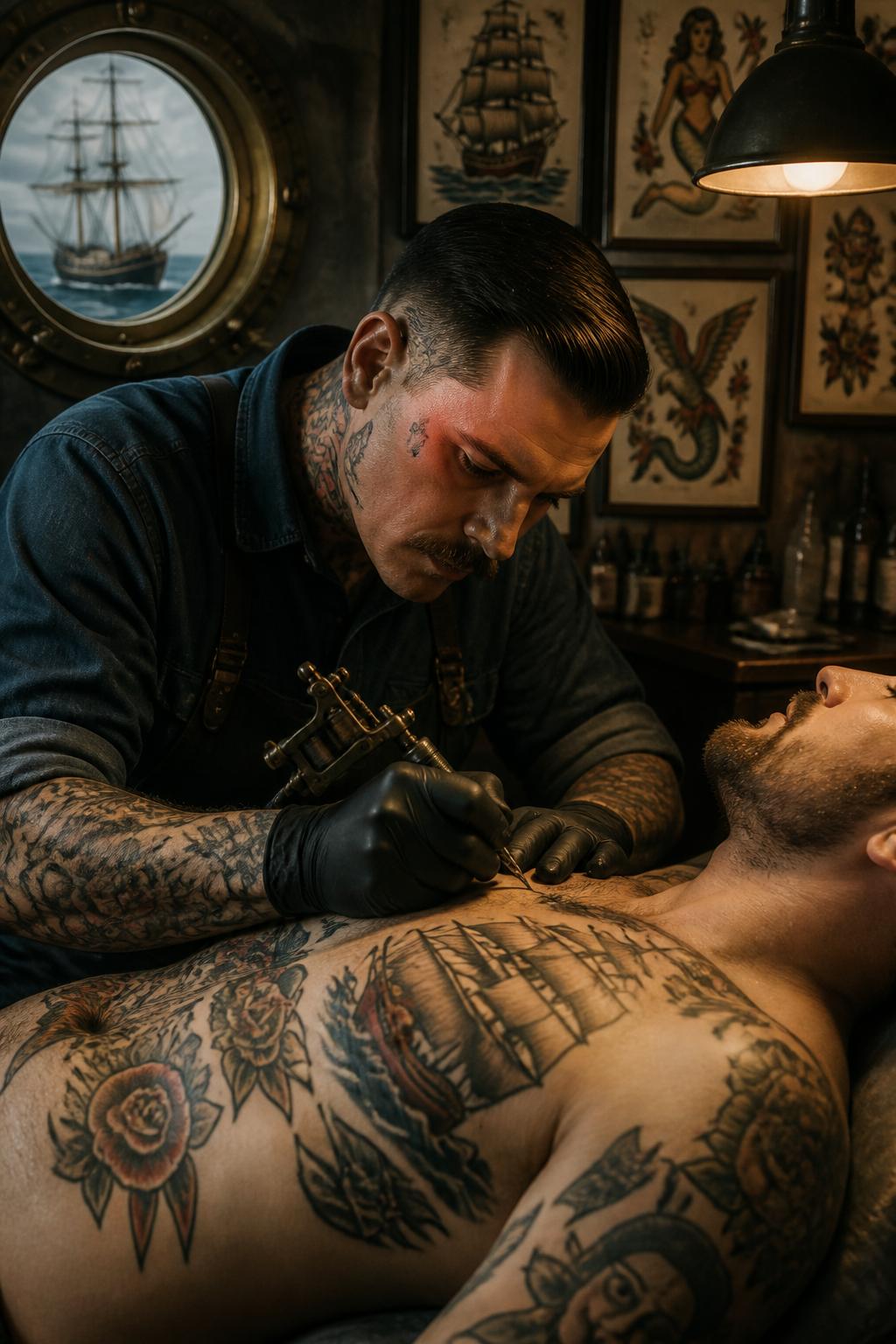
Before it was a mainstream fashion statement, tattooing was a gritty badge of survival forged on the open seas. Sailors in the 18th and 19th centuries utilized ink as a visual diary of their travels, marking their bodies to document their resilience against the elements. This raw, functional approach to body art laid the groundwork for what we now recognize as professional tattoo culture.
Icons like the nautical star, the swallow, and the clipper ship weren't just decorative; they were symbols of superstitions and milestones. A swallow signified five thousand miles sailed, while a nautical star was believed to guide a traveler safely home. These bold, thick lines were designed to withstand the harsh conditions of a life at sea, ensuring the ink remained legible even as the skin aged under the sun and salt.
As these mariners returned to port, they brought their adorned skin to the coastal cities of the world. The curiosity surrounding their ink led to the opening of the first professional parlors in bustling harbor districts. This cross-pollination of global styles and maritime tradition created a unique visual language that eventually moved from the docks to the broader public consciousness.
Today, the influence of these early pioneers is undeniable. The 'Old School' or American Traditional style remains a cornerstone of the industry, characterized by the same high-contrast palettes and heavy black outlines favored by mid-century legends. These aesthetics continue to dominate modern tattoo culture, proving that the classics never truly go out of style.
Beyond the art itself, the communal nature of the sailor’s life fostered a specific etiquette and respect for the craft. The stories shared over a needle and a bottle of ink created a sense of brotherhood that persists in modern studios. Whether it is a small commemorative piece or a full sleeve, every needle stroke carries a hint of that ancient, saltwater-soaked legacy.
Understanding these roots allows enthusiasts to appreciate the depth behind the design. As we celebrate the evolution of the scene, it is vital to acknowledge the sailors who risked everything and used their skin to tell the tale. Their rugged commitment to self-expression remains the heartbeat of the global ink community today.