Restoring Your Ink: The Reality of Getting a Tattoo Cover-up
4 months ago
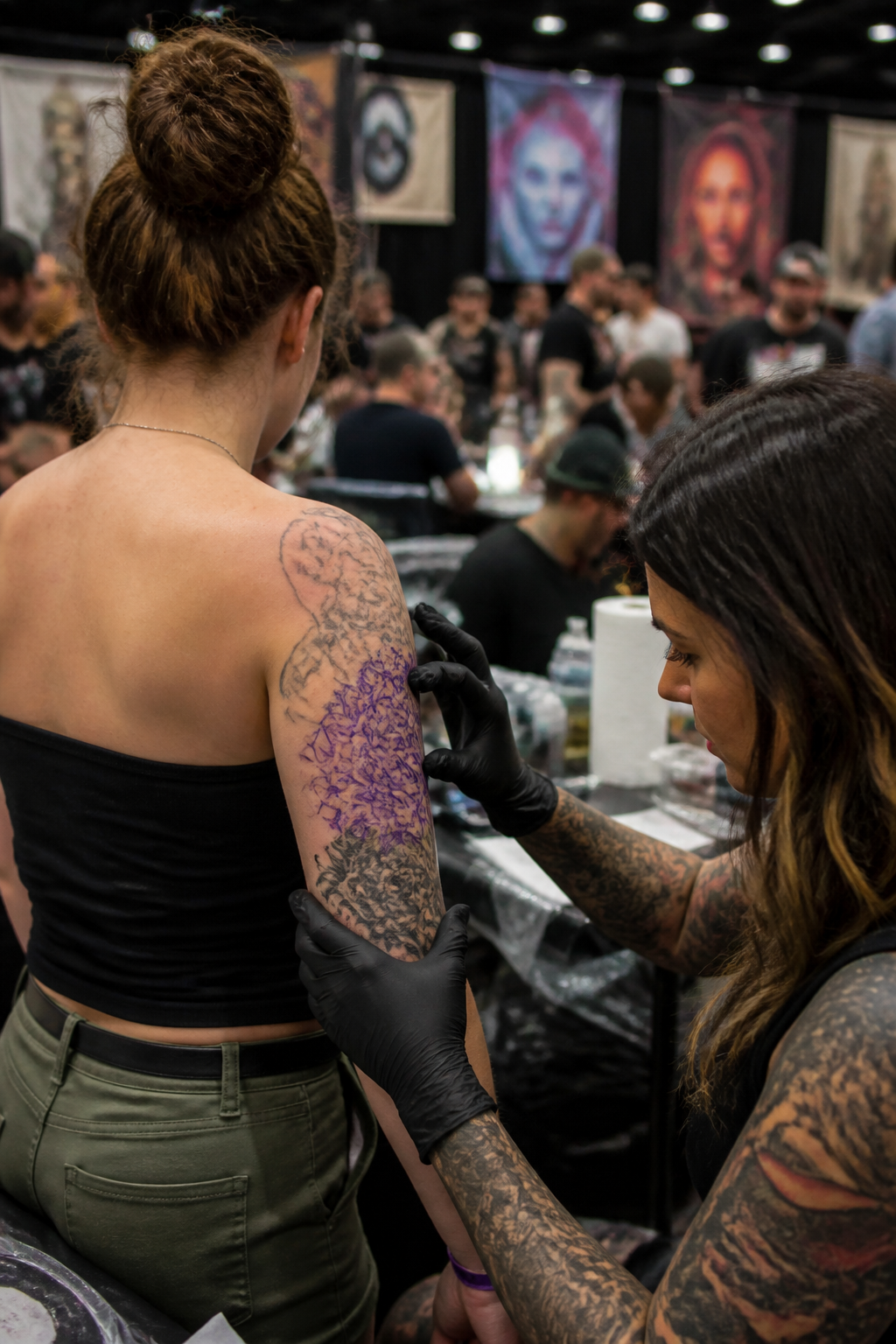
A tattoo cover-up is more than just a fresh layer of ink; it is a complex game of color theory and spatial strategy. Unlike painting a wall, where you can simply prime over a dark shade, tattoo ink is transparent. This means the new design must work with the existing pigment rather than simply hiding it. To successfully mask an old piece, artists often rely on dark values, cool tones, and busy textures to trick the eye away from the original lines.
Design choice is the most critical factor in a successful transformation. Flowing organic shapes, such as deep florals or heavy traditional motifs, provide the best coverage because they allow for irregular shading patterns. Geometric shapes and large open areas of skin are generally poor choices, as the old silhouette will likely ghost through the lighter gaps. Your artist will usually steer you toward a design that is at least two to three times larger than the original ink to ensure proper blending.
Not every old tattoo can be hidden immediately. If your previous piece is heavily scarred or features dense blackwork, your artist might recommend a few sessions of laser removal first. This isn't about fully erasing the old ink, but rather 'lightening the canvas' enough to give the artist more creative freedom. Even two or three lightning sessions can expand your design options from limited dark blobs to a full-color masterpiece.
Choosing the right artist is the final piece of the puzzle. Cover-ups are a specialized skill set requiring a deep understanding of how pigments interact under the skin over time. Look for portfolios that specifically showcase 'before and after' photos. A great cover-up artist doesn't just camouflage the past; they create a piece of art that looks intentional, leaving no trace of the regret that sat there before.