
Raw Rhythm: How the Hardcore Music Scene Transformed Modern Tattoo Culture
3 hours ago
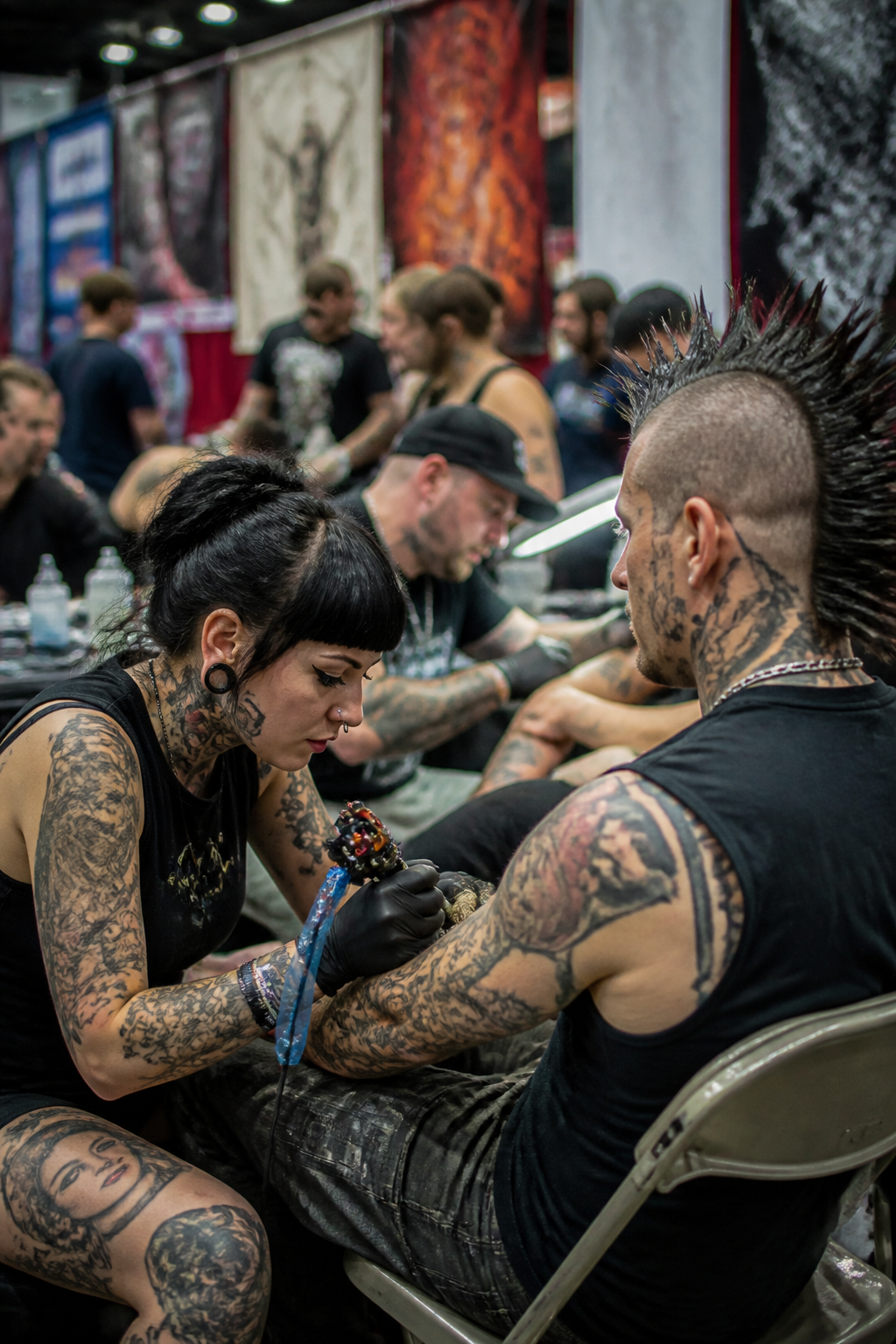
Before it became a mainstream aesthetic, modern ink found a frantic heartbeat in the underground hardcore music scene. The sweaty, high-energy environment of basement shows and community halls served as a melting pot where self-expression was not just encouraged, but required. This raw intersection of music and body art is where the rugged foundations of contemporary tattoo culture were truly tested and refined.
In the eighties and nineties, the barrier between the stage and the crowd was nonexistent. Vocalists and fans alike shared a visual language of bold black lines and heavy shading. This era favored iconography that represented resilience and brotherhood, moving away from commercial polished looks toward a gritty, hand-drawn aesthetic that prioritized the message over the medium.
The D.I.Y. ethics of the scene meant that artists were often band members or loyal fans who learned their craft in the back of tour vans. This lack of formal pretension helped democratize tattoo culture, shifting the focus from elite galleries to community-focused collectives. It wasn't about the perfect placement; it was about the stories shared during a cross-country tour.
Today, you can see these influences in the surge of 'ignorant style' and heavy blackwork that dominates urban studios. The aesthetic is characterized by a deliberate rejection of traditional rules, echoing the discordant chords and breakneck tempos of the music that inspired it. It remains a testament to the power of sub-cultures to influence the wider world.
Ultimately, the legacy of the music scene ensures that tattoo culture remains grounded in community and shared experience. While the venues may have gotten larger and the equipment more sophisticated, the spirit of the underground persists. Every heavy-lined piece is a nod to those loud, chaotic roots that prioritized raw impact over polite society's expectations.