
Raw Rebellion: How the Punk Scene Forged Modern Tattoo Culture
2 months ago
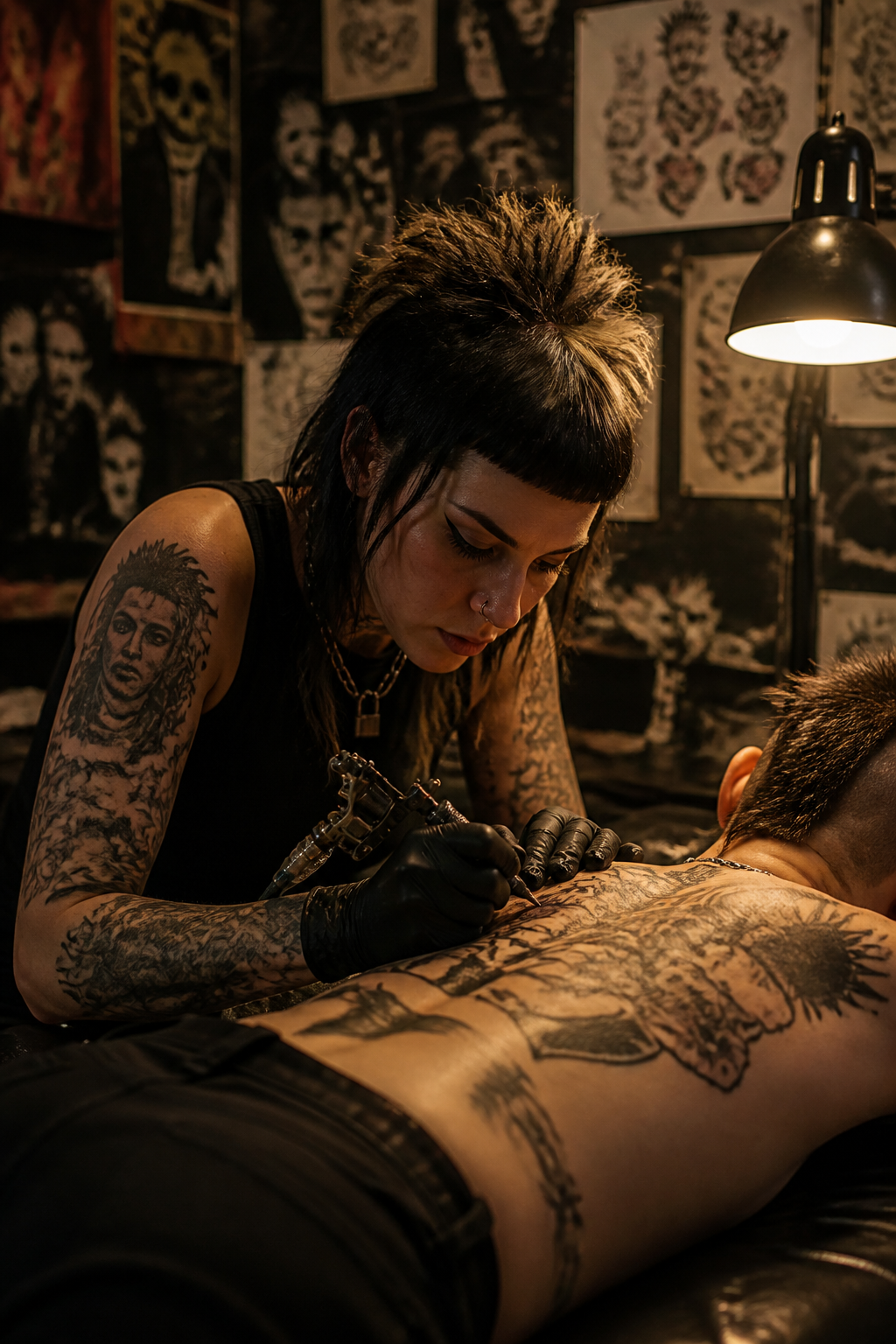
Before the bright lights of high-end boutiques, the heart of tattoo culture beat in the backrooms of dive bars and the basements of underground venues. The punk movement of the late 1970s took the needle out of the hands of traditionalists and used it as a tool for political and social protest. It was a time when ink wasn't about aesthetics alone, but about claiming one's body back from the status quo.
In London and New York, the DIY ethos of the music scene migrated directly into the skin. Hand-poked symbols and rough-edged slogans became the uniform of a generation that felt ignored by society. This era proved that you didn't need a formal apprenticeship to make a statement; you just needed a vision and the audacity to wear it permanently.
As the subculture grew, the imagery evolved from simple anarchy signs to intricate black-and-grey portraits and bold lettering. The crossover between stage and studio was seamless, with musicians and fans alike using their skin to document their shared history. This period solidified the idea that ink was a lifelong membership card to a community defined by its refusal to conform.
Today, we see the echoes of these punk roots in every boutique shop across the globe. While the tools have become more sophisticated, the spirit remains focused on authentic self-representation. The grit of the early scene taught us that the most powerful art is often the most uncomfortable, pushing boundaries until they disappear entirely.
Modern enthusiasts owe a debt to the leather-clad rebels who turned their bodies into canvases for dissent. Their legacy is a tattoo culture that values storytelling and raw honesty over sterile perfection. It is a reminder that every piece of art carries the weight of the subculture that allowed it to flourish in the first place.
Whether you are getting a sleeve or a single stamp, you are participating in a lineage of defiance. The punk influence ensures that no matter how mainstream the industry becomes, there will always be a corner of the world where the ink stays loud, proud, and unapologetically human.