
Raw Rebellion: How Hardcore Music Scenes Defined Modern Tattoo Culture
10 hours ago
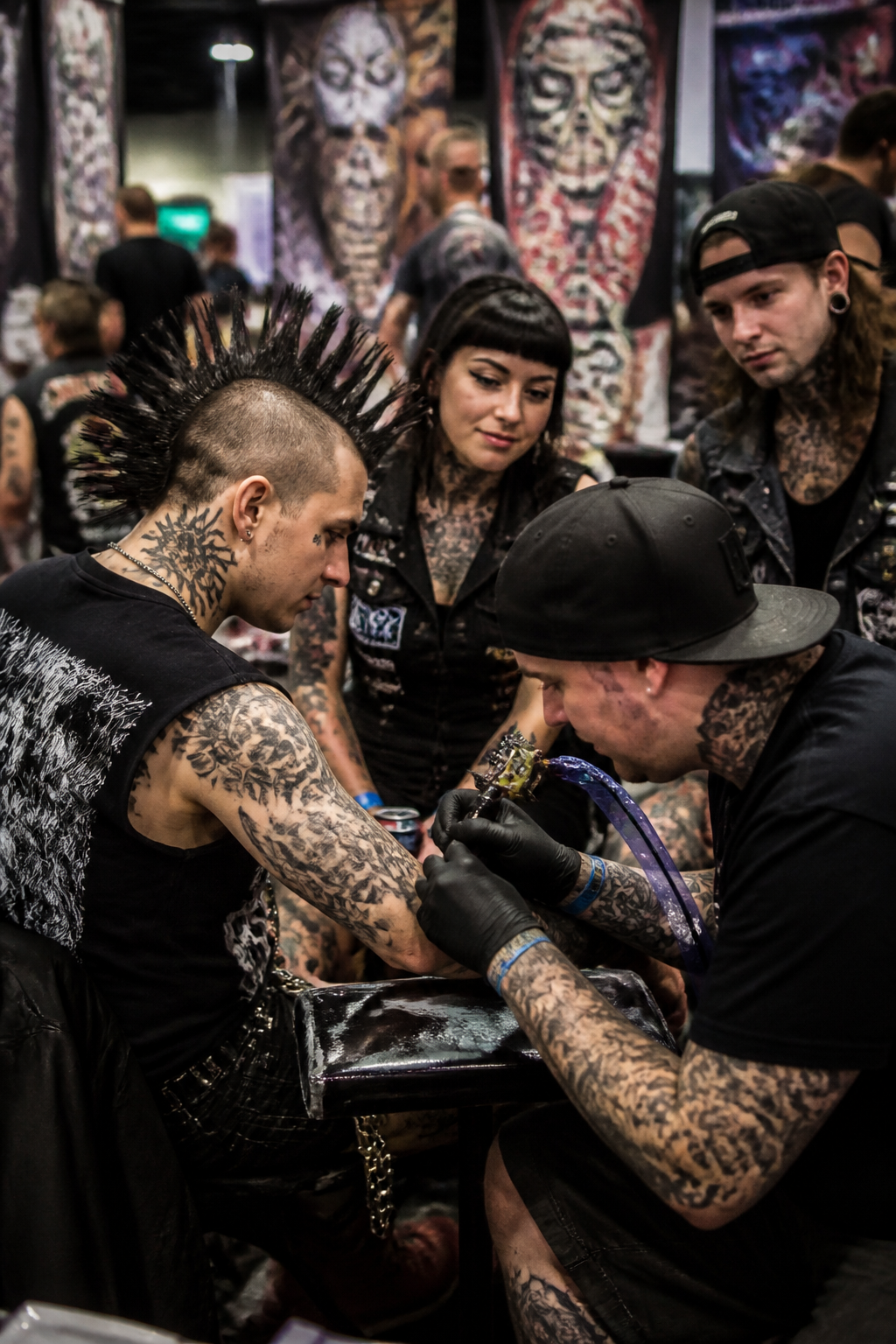
Before shops were brightly lit boutiques, the pulse of tattoo culture lived in the humid, sweat-drenched basements of the underground music scene. In the late 20th century, the crossover between hardcore punk and skin-art was more than a trend; it was a visual manifesto. Band members and fans alike used heavy black ink to mark their allegiance to a lifestyle that rejected polished, commercial norms.
The aesthetic was intentionally raw. Borrowing heavily from traditional Americana but stripping away the sailors’ sentimentality, music-scene ink favored bold lines and high-contrast imagery. This era saw the rise of 'straight edge' markings and band-specific iconography that transformed the body into a walking billboard for specific social and musical ideologies.
This DIY ethos eventually revolutionized how studios operated. As the scene grew, artists who were once musicians or street-flyer illustrators began picking up machines, bringing a disruptive energy to the craft. They prioritized personal expression over flash-sheet repetition, forcing a shift in tattoo culture toward custom, narrative-driven work that mirrored the intensity of a live set.
Today, the influence of those gritty mosh pits is undeniable. The massive chest pieces and full-sleeve compositions common in modern portfolios owe their visibility to the musicians who first normalized large-scale work on stage. It was the music scene that proved tattoos could be a collective badge of belonging rather than just an isolated act of rebellion.
As we look at the current landscape, the barrier between sub-culture and the mainstream has largely dissolved. However, the core values of the punk era—authenticity, community, and loud self-expression—remain the backbone of the industry. The legacy of the pit continues to thrive every time a client asks for something that challenges the status quo.