Raw Impact: The Chicano Tattoo Styles Guide
2 hours ago
Chicano tattooing stands as one of the most culturally significant movements in modern ink, rooted deeply in the Pachuco culture of the 1940s and 1950s. Originally emerging from the West Coast, this style was born from necessity, utilizing limited resources to create intricate designs. What began as a form of identity and resistance has evolved into a globally recognized aesthetic prized for its storytelling and technical precision.
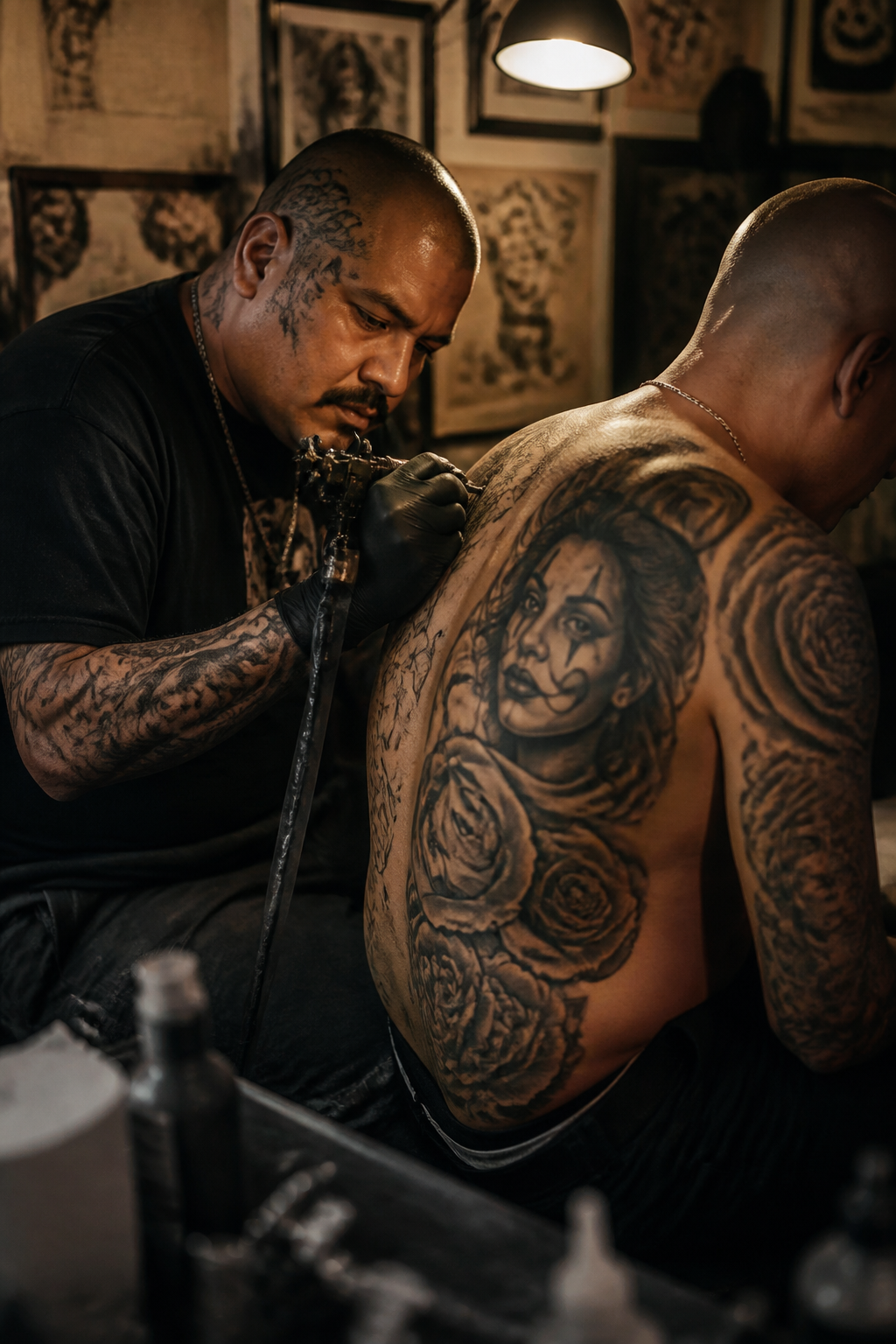
The hallmark of this style is its exclusive use of black and grey ink, characterized by smooth, smoky shading and sharp, single-needle outlines. Unlike the bold, saturated blocks of color found in other genres, this approach focuses on tonal transitions and high-contrast realism. The visual language often features stylized lettering, portraits, and iconic lowrider imagery that reflects a specific urban heritage.
Mastering the Chicano tattoo styles guide requires an understanding of 'fineline' techniques. Legend has it that the style was refined in the California penal system, where artists used makeshift tools to create incredibly detailed work. This legacy persists today through the work of pioneers like Freddy Negrete and Chuey Quintanar, who brought the 'street' aesthetic into high-end galleries and professional studios worldwide.
Key recognizable elements include hyper-realistic portraits of women, payaso (clown) masks, and elaborate script that flows with the natural anatomy of the body. The shading is often soft and velvety, achieved through the expert dilution of black pigment to create a spectrum of greys. This creates a photographic quality that feels both gritty and elegant, ensuring the artwork stands the test of time.
Today, the style has transcended its geographic origins to become a staple in shops from Los Angeles to Tokyo. It represents more than just a visual trend; it is a testament to resilience and the power of narrative through skin art. Whether you are looking for a small memorial piece or a full-back composition, the influence of this movement is undeniable in the modern tattooing landscape.