
Raw Chords and Ripped Denim: How Punk Rock Revived Tattoo Culture
13 days ago
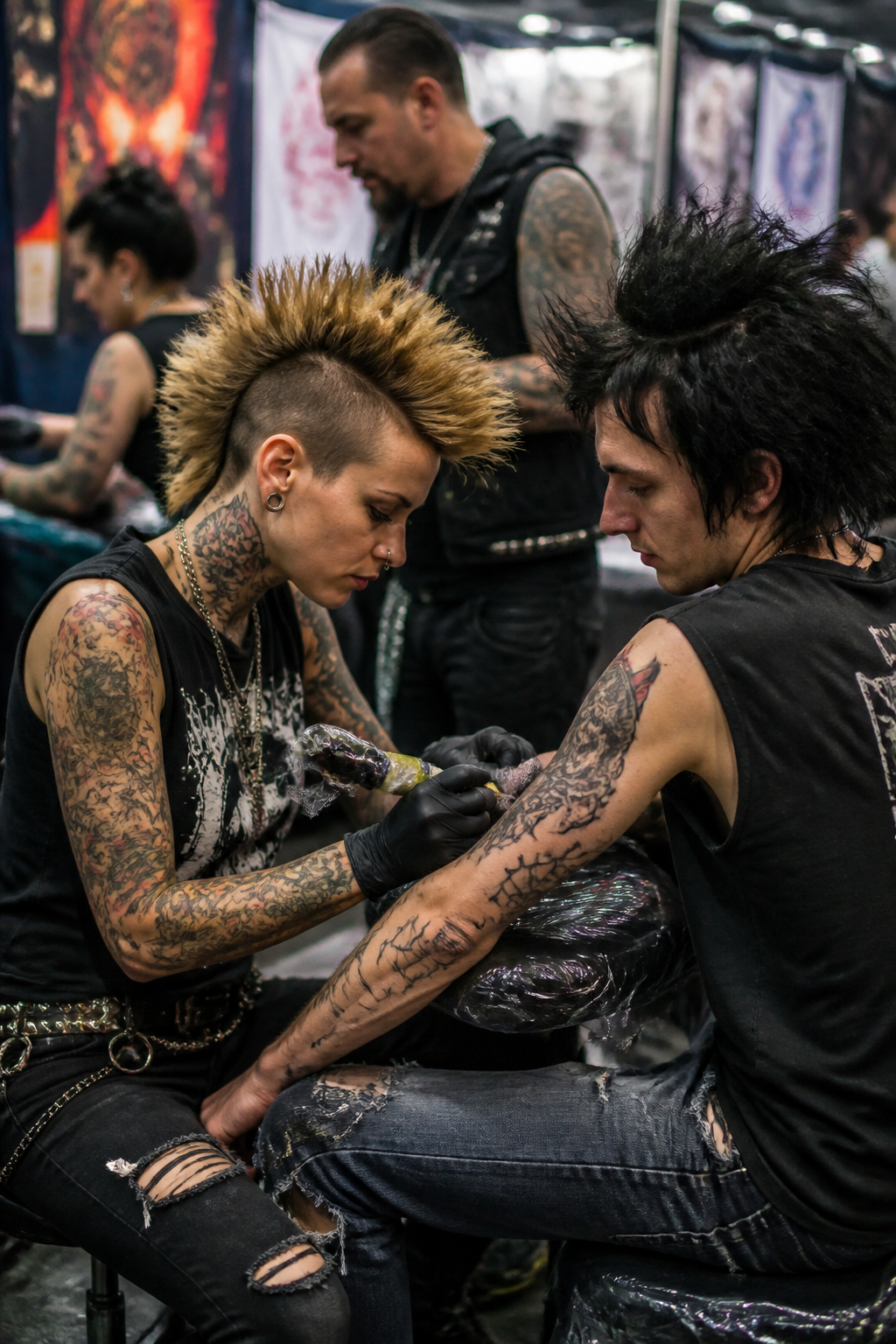
Long before studios were sleek boutiques, the raw energy of the 1970s punk scene breathed new life into the industry. In the sweat-soaked basements of London and New York, the act of getting inked shifted from a military tradition to a visceral form of protest. This era fundamentally altered tattoo culture by stripping away the polished expectations of society and replacing them with jagged, hand-poked symbols of non-conformity.
For the punk pioneer, the skin was a canvas for political statements and band logos. The aesthetic was intentionally harsh, mirroring the distorted power chords of the music. It wasn't about achieving technical perfection or hyperrealism; it was about the urgency of the moment. This DIY ethos proved that anyone with a needle and ink could mark their place in a world that felt increasingly restrictive.
As the scene evolved, the relationship between the stage and the studio became inseparable. Touring musicians carried their stories on their sleeves, literally, turning the subculture into a walking gallery of defiance. Fans quickly followed suit, adopting the look to signal their allegiance to a specific sound and social movement. This shared visual language solidified a sense of community that still thrives in mosh pits today.
Today, the influence of those early punk roots remains the backbone of many modern aesthetics. Whether it is the bold blackwork or the irreverent placement of flash, the spirit of rebellion continues to drive the creative pulse of the community. Tattoo culture owes its current edge to the loud, messy, and unapologetic pioneers who decided that being different was the only way to be.