
Queer Spaces: How Inclusive Collectives Are Rewriting Modern Tattoo Culture
2 months ago
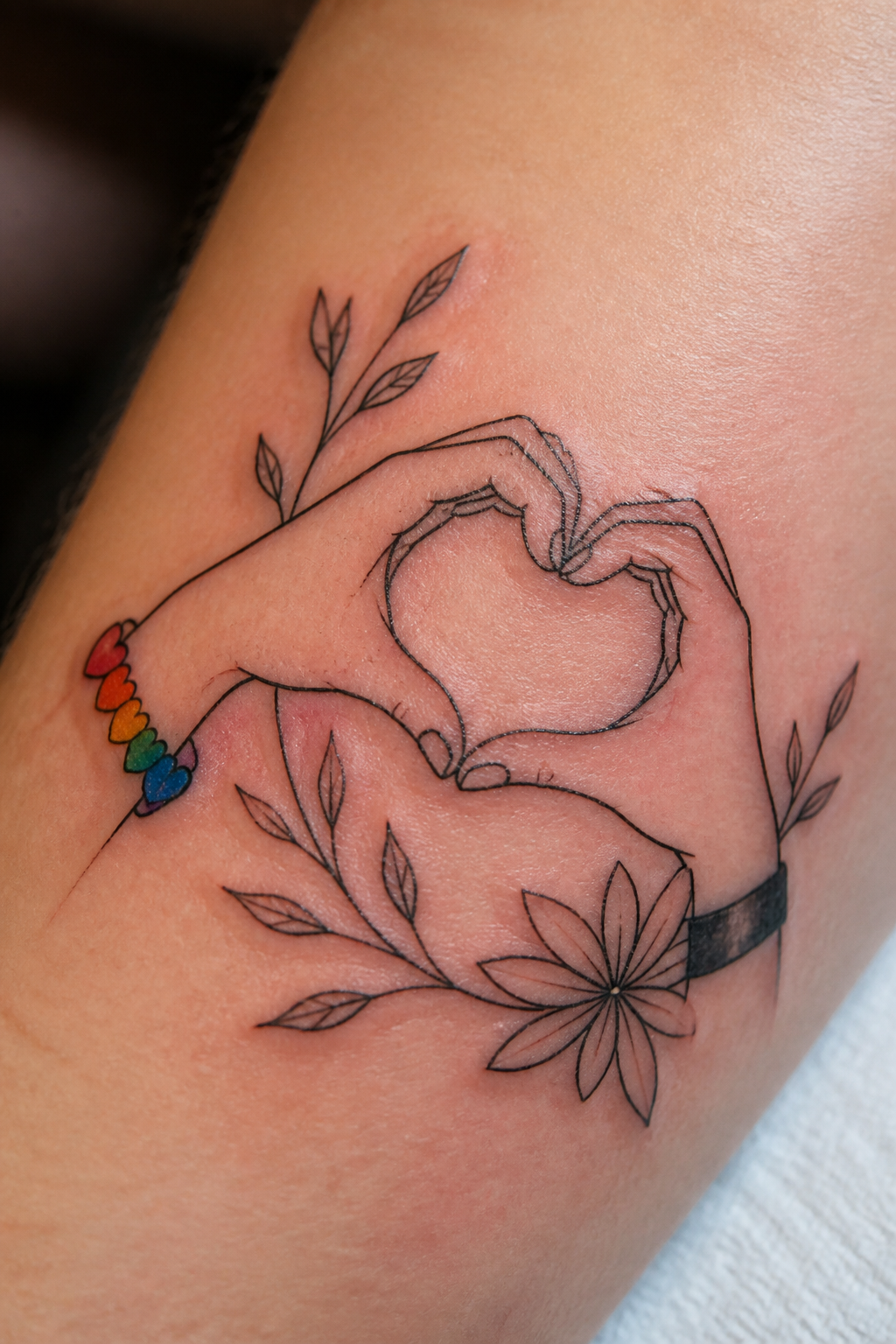
For decades, the standard shop environment was often defined by a hyper-masculine, gatekeeping energy. However, a significant shift is occurring as queer tattoo collectives rise to prominence, fundamentally altering the fabric of tattoo culture. These spaces move away from the 'tough guy' persona of the past, focusing instead on comfort and radical inclusion for both the artist and the client.
In these specialized studios, the focus shifts toward creating a trauma-informed experience. Artists prioritize consent and clear communication, ensuring that every individual feels seen and respected regardless of their gender identity or background. This shift is not just about the art on the skin; it is about reclaiming the physical body through a supportive and collaborative process.
The aesthetic contributions of these collectives are equally influential. By stepping away from rigid traditionalism, queer artists have introduced a diverse range of styles, from delicate illustrative work to bold, abstract blackwork. This creative explosion has forced the broader industry to recognize that there is no single 'right' way to design or apply a permanent mark.
Community building is at the heart of this movement. Many of these studios operate as non-hierarchical spaces, often hosting fundraisers, art shows, and educational workshops. This collaborative spirit fosters a sense of belonging that was frequently missing in the competitive, old-school shop models that once dominated the scene.
Ultimately, the growth of these inclusive spaces represents a more compassionate future for the industry. By placing human connection and safety at the forefront, these collectives are ensuring that tattoo culture remains a vibrant, evolving sanctuary for self-expression. As the movement expands, it continues to set a new global standard for what a professional studio can and should be.