
Queer Resilience: How Inclusive Collectives Are Reshaping Tattoo Culture
2 hours ago
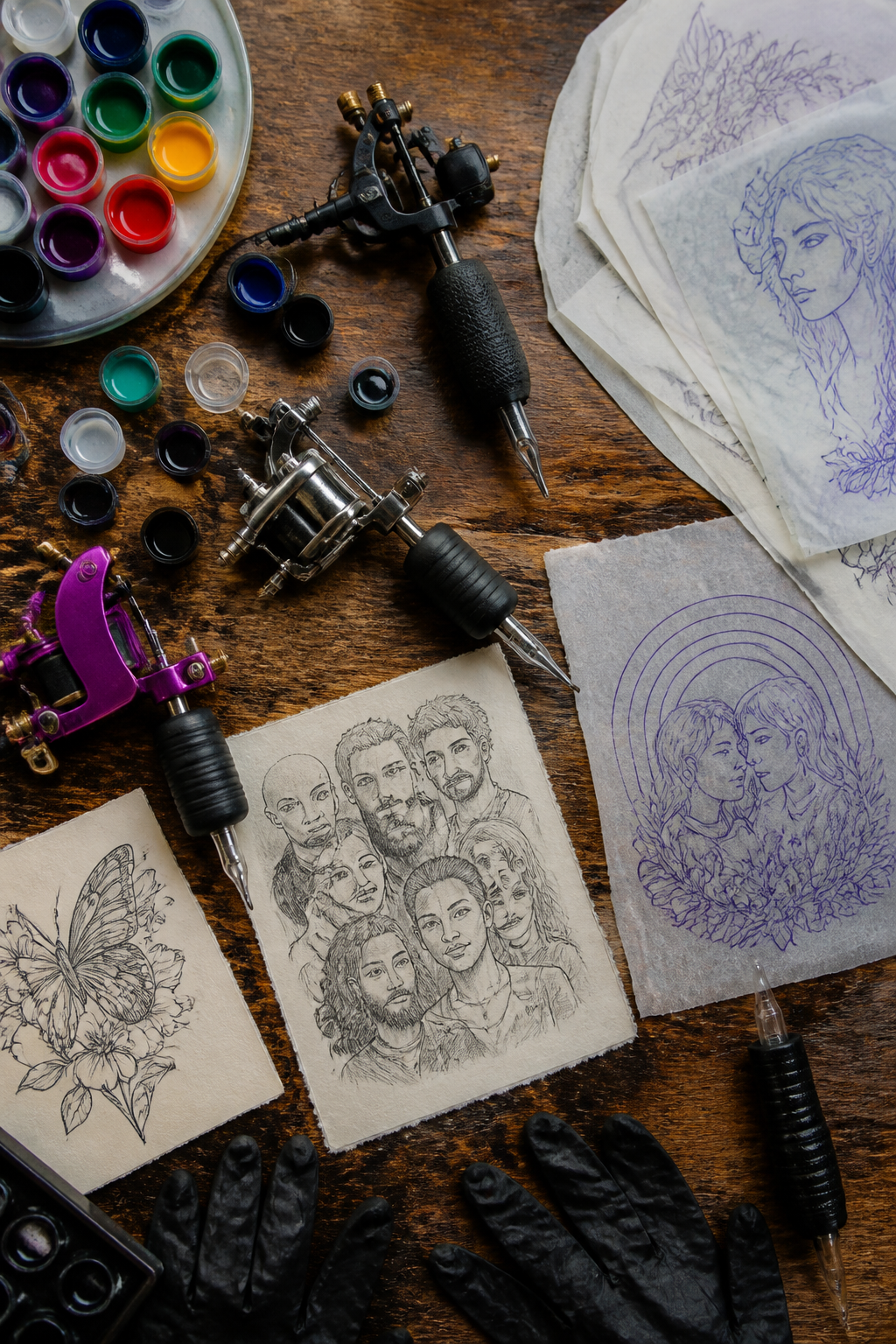
For decades, the standard shop environment was often defined by a rigid, hyper-masculine atmosphere that left many marginalized individuals feeling unwelcome. However, a new wave of queer tattoo collectives is actively rewriting the script. By prioritizing safety and inclusivity, these artists are transforming tattoo culture into a movement that celebrates body autonomy and identity without the traditional gatekeeping of the past.
These collectives often operate as private studios or community hubs, moving away from the 'walk-in' street shop vibe to create a more intimate experience. The focus shifts from merely providing a service to fostering a collaborative environment where the client’s comfort is paramount. This shift is a direct response to the industry's historical lack of diversity, proving that the art form thrives when more voices are heard.
In these spaces, the apprenticeship model is also being reimagined. Traditionally characterized by grueling tasks and often toxic power dynamics, the new guard of tattoo culture favors mentorship based on mutual respect and skill-sharing. This allows aspiring artists from diverse backgrounds to break into the industry without sacrificing their mental well-being or personal values.
Visual styles within these circles often push boundaries, moving beyond classic motifs to explore abstract forms and experimental linework. While the technical application remains rigorous, the subject matter frequently explores themes of gender euphoria and radical self-expression. It is a bold departure from the standard flash sheets found in older establishments.
Community outreach is another cornerstone of these inclusive hubs. Many collectives host 'flash days' specifically to raise funds for local charities or mutual aid funds, grounding their artistic practice in social activism. This integration of art and advocacy ensures that the local scene remains connected to the people it serves.
Ultimately, the rise of queer-led spaces is a testament to the evolving nature of tattoo culture. By stripping away the ego and bravado of the old school, these artists are building a future where everyone—regardless of their background—can feel empowered by the ink they wear. It is a necessary evolution that honors the medium's rebellious roots while looking toward a more compassionate horizon.