
Queer Resilience: How Collective Spaces Are Redefining Tattoo Culture
13 days ago
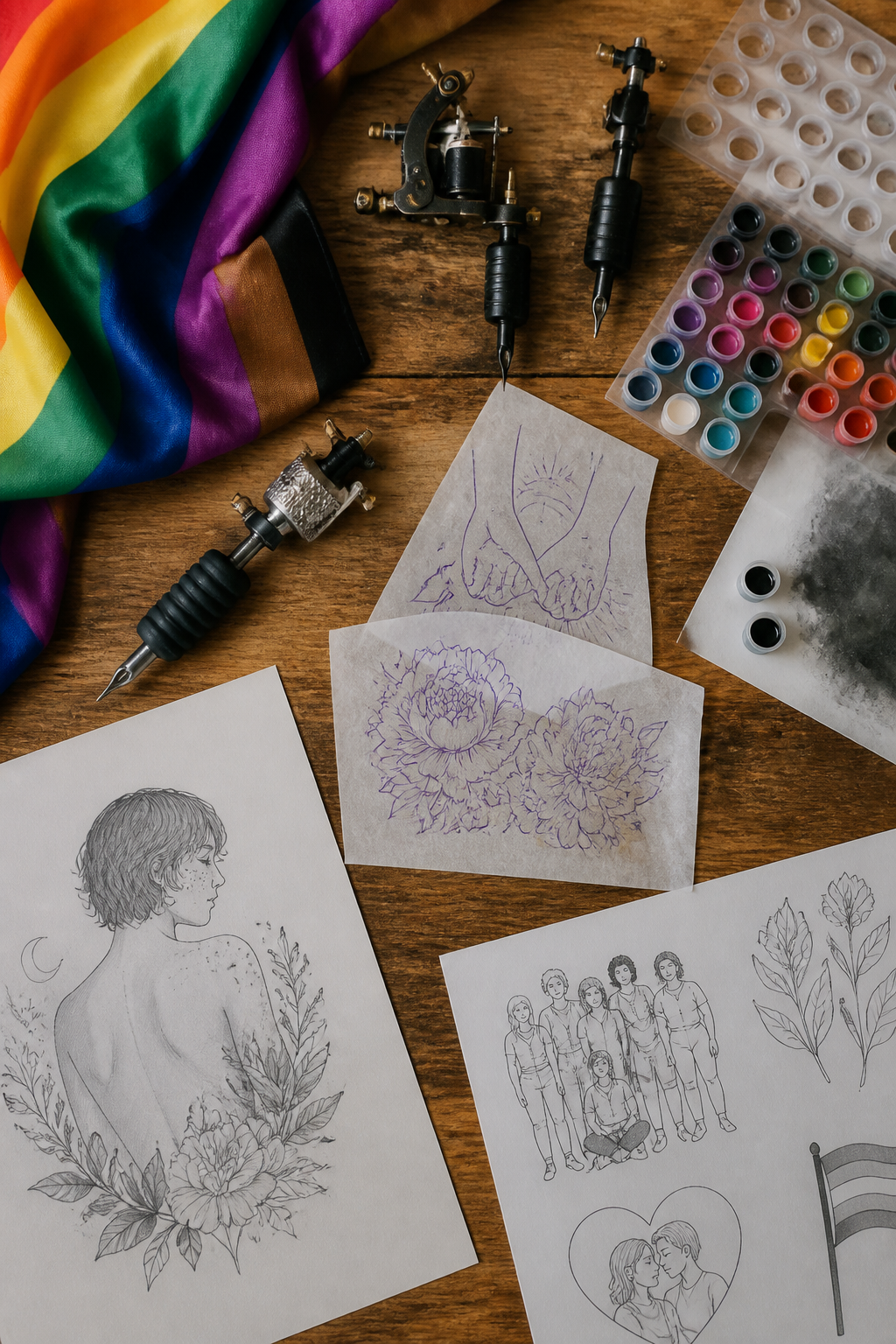
In the underground basements and private lofts of metropolitan hubs, a new chapter of tattoo culture is being written. Far removed from the hyper-masculine, gatekept street shops of the 20th century, queer tattoo collectives are prioritizing safety and inclusivity. These spaces aren't just about the art; they are about reclaiming the body through a collaborative process between artist and client.
The shift toward private studios allows for a more intimate environment where the traditional power dynamic is dismantled. In these collectives, the 'tough guy' persona of the past is replaced by radical empathy and open communication. Artists often focus on hand-poked techniques or illustrative styles that celebrate queer identity, moving away from rigid traditionalist rules that once dominated the industry.
This movement has also introduced 'trauma-informed' practices to tattoo culture. By acknowledging that the needle can be a tool for healing, these collectives provide a sanctuary for individuals to mark their skin in a way that feels empowering. Consultations often involve discussions about comfort, consent, and personal boundaries, ensuring the experience is as meaningful as the final design.
Networking within these scenes happens organically, often through social media and grassroots pop-up events. These artists aren't looking for mainstream validation; they are building a self-sustaining ecosystem. By sharing resources and space, they create opportunities for marginalized creators to break into an industry that was historically difficult to navigate.
Ultimately, the rise of queer collectives proves that the core of tattoo culture is, and always has been, about community. It is a rebellion against the status quo, proving that the most permanent marks we make are often those that tie us to the people who truly see us. As these spaces continue to grow, they set a new standard for what it means to be a professional in the modern era.