
Queer Ink Revolutions: How Inclusive Spaces are Reshaping Tattoo Culture
2 months ago
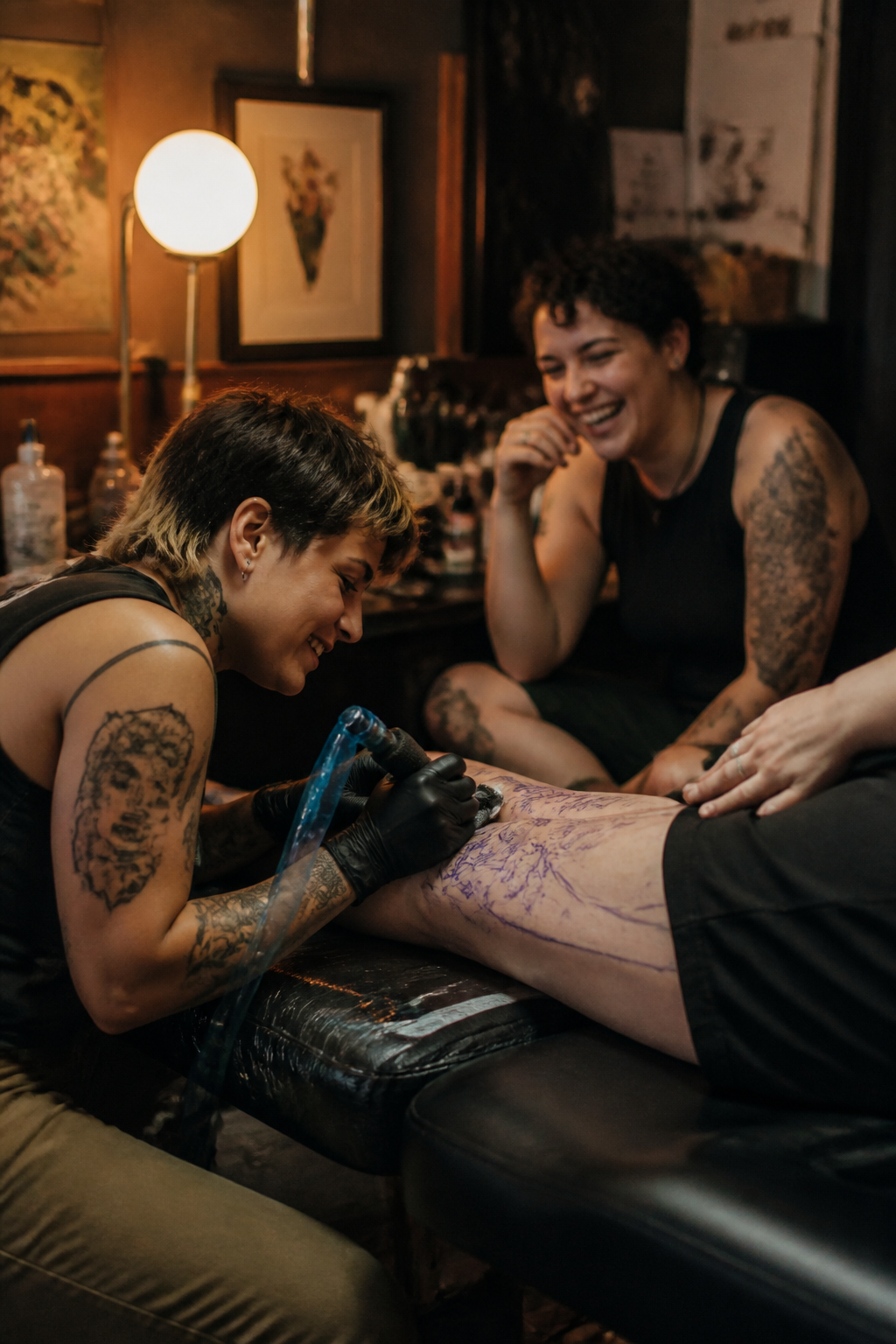
For decades, the standard shop environment was often defined by a rigid, hyper-masculine atmosphere that could feel exclusionary to marginalized groups. However, a new wave of queer-led collectives is actively dismantling these barriers, prioritizing safety and radical self-expression. By shifting the focus from ego to empathy, these artists are creating a sanctuary for those who previously felt invisible in the scene.
This shift in tattoo culture is not just about who is behind the machine, but how the client is treated. Collective studios often implement trauma-informed practices, ensuring that consent and physical comfort are at the forefront of every session. This approach transforms a painful procedure into a healing act of bodily autonomy, particularly for the LGBTQ+ community.
In these spaces, the visual language is also evolving. While traditional motifs remain popular, queer collectives often experiment with fluid lines, abstract forms, and non-conformist placements that challenge gendered beauty standards. This creative freedom has sparked a renaissance of 'hand-poked' and 'ignorant' aesthetics that prioritize raw emotion over technical perfectionism.
Community building is the heartbeat of this movement. Many of these studios operate as non-hierarchical spaces, hosting flash events that benefit local grassroots organizations. By blending activism with art, they ensure that the act of getting inked serves a purpose beyond the skin, fostering a sense of belonging that extends far beyond the studio walls.
As this movement grows, mainstream shops are beginning to take note, adopting more inclusive language and policies. The influence of queer collectives is proving that a softer, more intentional approach does not diminish the craft but rather strengthens it. They are proof that when everyone is invited to the table, the entire industry thrives.
Ultimately, the evolution of tattoo culture toward inclusivity ensures its longevity. By making the chair a place of empowerment for all identities, these collectives are writing a new chapter in ink history. It is a vibrant, colorful, and necessary reclamation of an ancient art form for a modern, diverse world.