
Queer Collectives and the Safe Space Evolution of Tattoo Culture
4 months ago
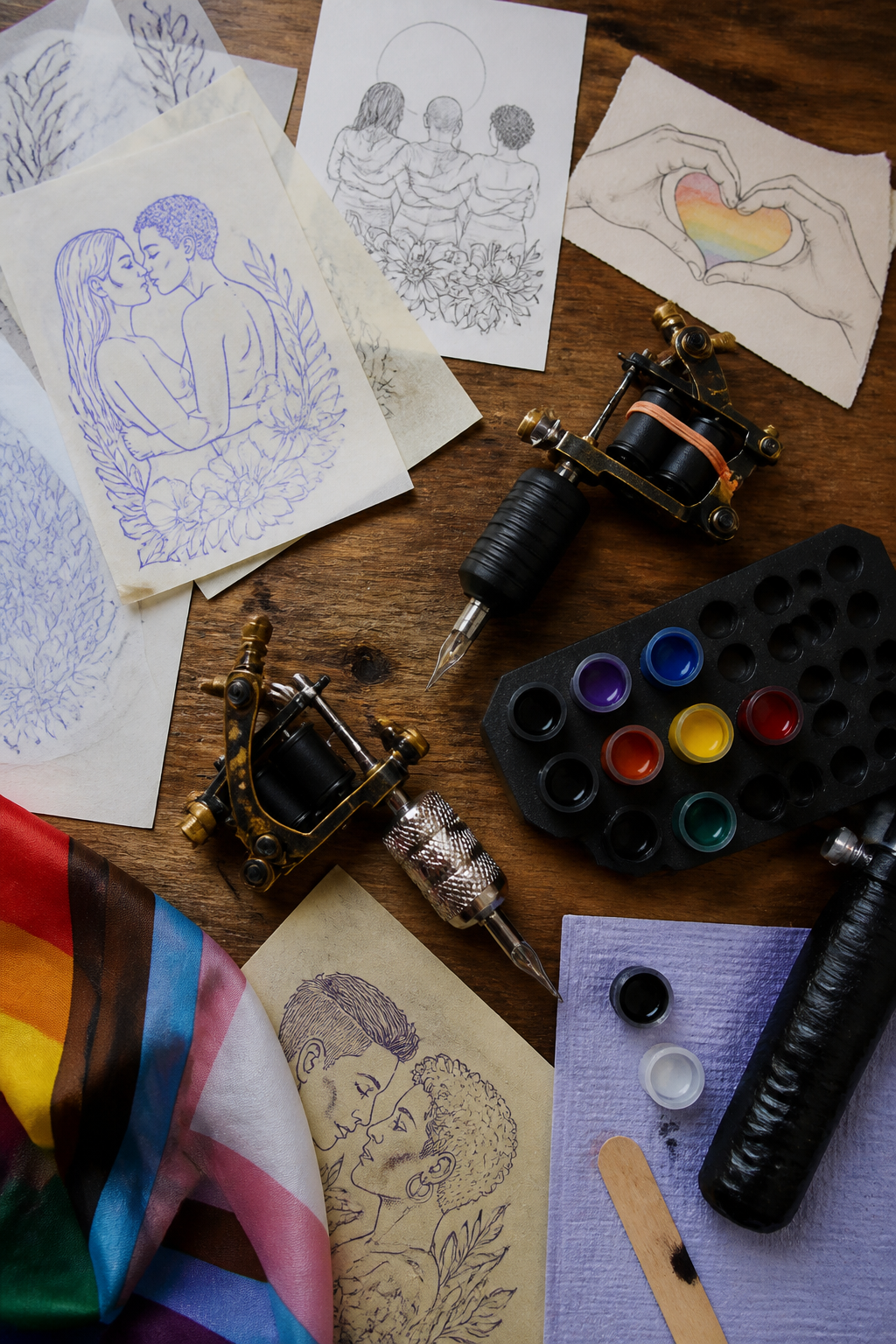
The modern landscape of body art is undergoing a profound transformation as queer collectives establish their own corners of the industry. These studios are moving away from the gatekeeping often found in old-school street shops, instead prioritizing an environment where every body type and identity is celebrated. This shift is not just about the art; it is about reclaiming the physical experience of being tattooed.
Historically, the tattoo chair could be an intimidating place for marginalized individuals. By creating private, appointment-only sanctuaries, queer artists are fostering a new standard for tattoo culture. These spaces often focus on trauma-informed practices, ensuring that the process of getting inked is as healing and affirmative as the final result on the skin.
Visual styles within these collectives are equally diverse, frequently breaking away from rigid genre boundaries. From abstract illustrative work to bold, unconventional linework, the aesthetic reflects the fluid nature of the community itself. This creative freedom allows clients to express their inner selves without adhering to masculine or feminine tropes dictated by tradition.
Community building is at the heart of this movement, with many collectives hosting flash days to benefit local charities or social justice causes. This activist spirit reminds us that tattoo culture has always been a form of rebellion. Today, that rebellion is focused on radical inclusivity and the right to feel safe while undergoing a permanent transformation.
As these inclusive studios grow in popularity, they are influencing the wider industry to reconsider how shops are managed globally. The emphasis on consent, clear communication, and comfort is becoming a blueprint for all artists, regardless of their background. It is a testament to how specialized sub-cultures can drive meaningful progress for everyone.
Ultimately, the rise of queer collectives ensures that the future of body art remains vibrant and accessible. By honoring the individual and the community in equal measure, these artists are securing a more compassionate and creative future for global tattoo culture.