
Queer Collectives and the Inclusive Shift in Modern Tattoo Culture
21 days ago
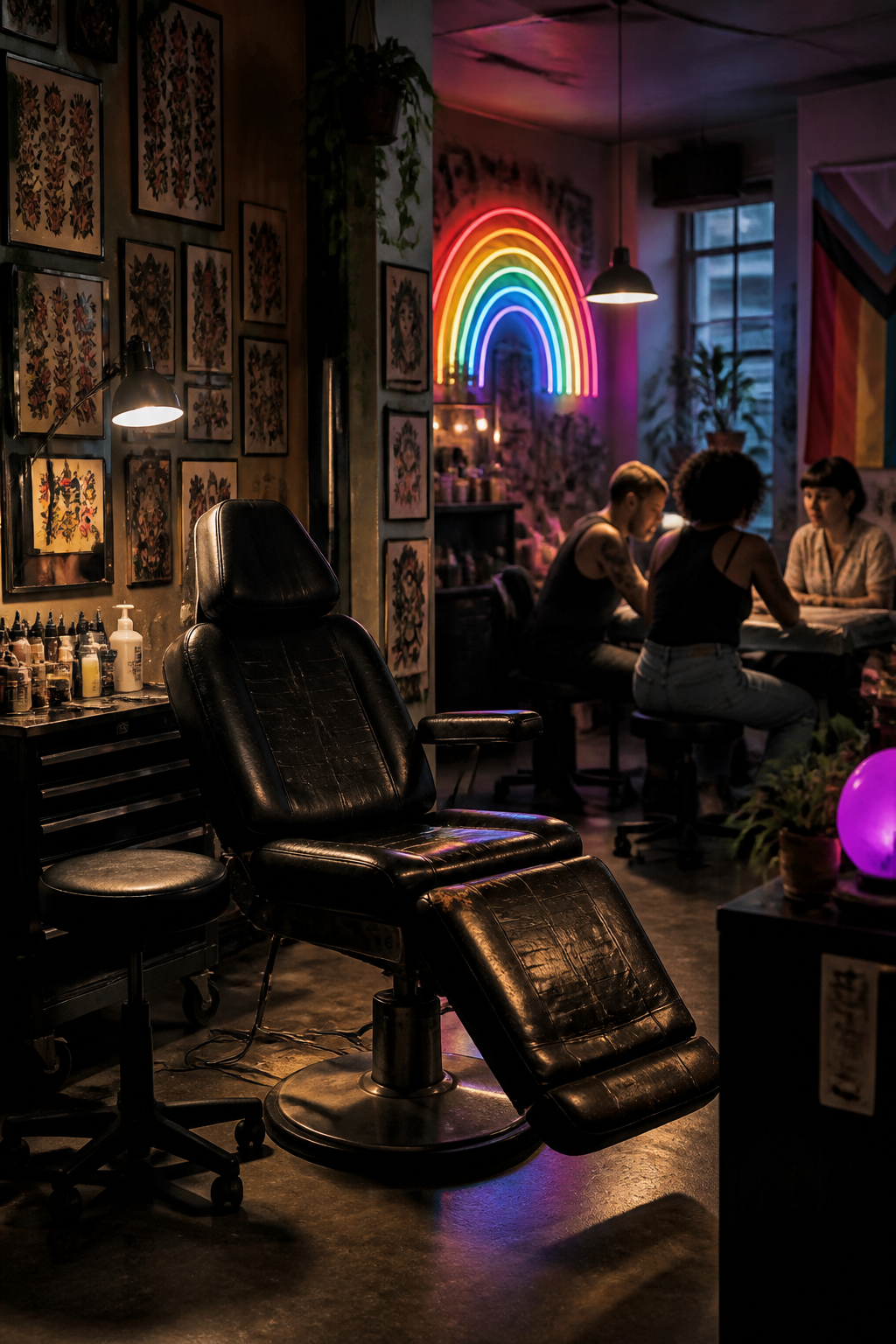
For decades, the standard shop environment was often defined by a hyper-masculine, gatekept atmosphere that felt exclusionary to marginalized groups. However, a significant shift is occurring as queer tattoo collectives emerge globally to redefine the industry. These spaces prioritize comfort, consent, and community, proving that the technical craft is even more powerful when backed by an inclusive ethos.
By moving away from the traditional apprenticeship hierarchies, these collectives foster an environment where artists from all backgrounds can thrive. This movement isn't just about the art on the skin; it is about who is holding the machine. The diversification of studio owners has introduced a new level of empathy and creative freedom to the scene, allowing for styles that break away from conventional norms.
In these inclusive hubs, the consultation process is treated as a collaborative dialogue. Artists often focus on trauma-informed practices, ensuring that clients feel safe and respected throughout the entire session. This focus on the human experience is a hallmark of how modern tattoo culture is evolving to be more accessible and representative of its diverse participant base.
The aesthetic output of these collectives is equally revolutionary. Free from the rigid expectations of traditional styles, queer artists are pioneering abstract, illustrative, and experimental techniques. This creative explosion has attracted a new generation of collectors who see their bodies as canvases for personal storytelling and political expression.
Ultimately, the rise of these collectives serves as a reminder that the industry is at its best when it embraces change. By challenging old-school stereotypes, these studios are ensuring that the future of the craft is one where everyone feels welcome. It is a bold new chapter that celebrates identity as much as it celebrates the ink itself.